Kirjojen hintavertailu. Mukana 11 244 527 kirjaa ja 12 kauppaa.

Kirjahaku

Etsi kirjoja tekijän nimen, kirjan nimen tai ISBN:n perusteella.

16 kirjaa tekijältä Judith Herrin

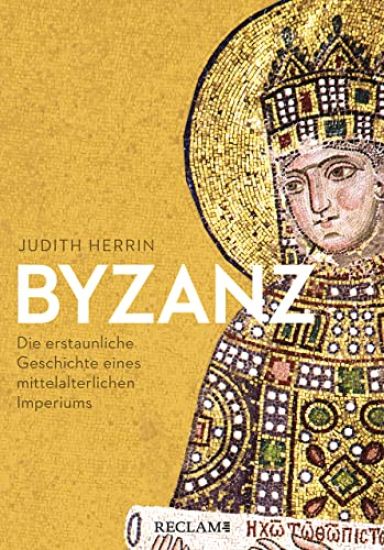
Byzantium

Byzantium

Judith Herrin

Penguin Books Ltd
2008
pokkari
For a thousand years an extraordinary empire made possible Europe’s transition to the modern world: Byzantium. An audacious and resilient but now little known society, it combined orthodox Christianity with paganism, classical Greek learning with Roman power, to produce a great and creative civilization which for centuries held in check the armies of Islam. Judith Herrin’s concise and compelling book replaces the standard chronological approach of most histories of Byzantium. Instead, each short chapter is focused on a theme, such as a building (the great church of Hagia Sophia), a clash over religion (iconoclasm), sex and power (the role of eunuchs), an outstanding Byzantine individual (the historian Anna Komnene), a symbol of civilization (the fork), a battle for territory (the crusades). In this way she makes accessible and understandable the grand sweeps of Byzantine history, from the founding of its magnificent capital Constantinople (modern Istanbul) in 330, to its fall to the Ottoman Turks in 1453.
Women in Purple: Rulers of Medieval Byzantium

Women in Purple: Rulers of Medieval Byzantium

Judith Herrin

PRINCETON UNIVERSITY PRESS
2002
sidottu
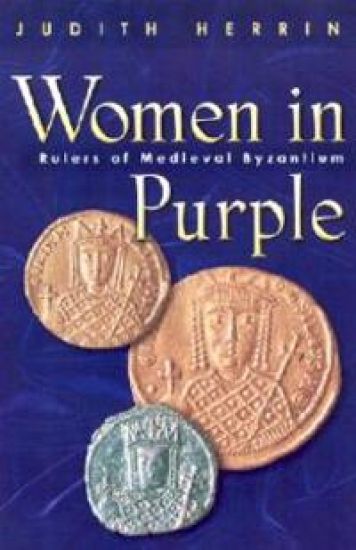
In the eighth and ninth centuries, three Byzantine empresses--Irene, Euphrosyne, and Theodora--changed history. Their combined efforts restored the veneration of icons, saving Byzantium from a purely symbolic and decorative art and ensuring its influence for centuries to come. In this exhilarating and highly entertaining account, one of the foremost historians of the medieval period tells the story of how these fascinating women exercised imperial sovereignty with consummate skill and sometimes ruthless tactics. Though they gained access to the all-pervasive authority of the Byzantine ruling dynasty through marriage, all three continued to wear the imperial purple and wield tremendous power as widows. From Constantinople, their own Queen City, the empresses undermined competitors and governed like men. They conducted diplomacy across the known world, negotiating with the likes of Charlemagne, Roman popes, and the great Arab caliph Harun al Rashid. Vehemently rejecting the ban on holy images instituted by their male relatives, Irene and Theodora used craft and power to reverse the official iconoclasm and restore icons to their place of adoration in the Eastern Church. In so doing, they profoundly altered the course of history. The art--and not only the art--of Byzantium, of Islam, and of the West would have been very different without them. As Judith Herrin traces the surviving evidence, she evokes the complex and deeply religious world of Constantinople in the aftermath of Arab conquest. She brings to life its monuments and palaces, its court ceremonies and rituals, the role of eunuchs (the "third sex"), bride shows, and the influence of warring monks and patriarchs. Based on new research and written for a general audience, Women in Purple reshapes our understanding of an empire that lasted a thousand years and splashes fresh light on the relationship of women to power.
Women in Purple

Women in Purple

Judith Herrin

Princeton University Press
2004
pokkari
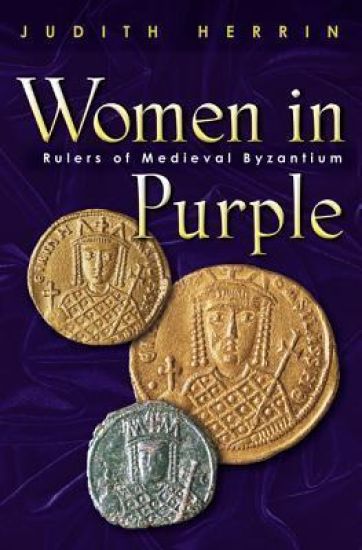
In the eighth and ninth centuries, three Byzantine empresses--Irene, Euphrosyne, and Theodora--changed history. Their combined efforts restored the veneration of icons, saving Byzantium from a purely symbolic and decorative art and ensuring its influence for centuries to come. In this exhilarating and highly entertaining account, one of the foremost historians of the medieval period tells the story of how these fascinating women exercised imperial sovereignty with consummate skill and sometimes ruthless tactics. Though they gained access to the all-pervasive authority of the Byzantine ruling dynasty through marriage, all three continued to wear the imperial purple and wield tremendous power as widows. From Constantinople, their own Queen City, the empresses undermined competitors and governed like men. They conducted diplomacy across the known world, negotiating with the likes of Charlemagne, Roman popes, and the great Arab caliph Harun al Rashid. Vehemently rejecting the ban on holy images instituted by their male relatives, Irene and Theodora used craft and power to reverse the official iconoclasm and restore icons to their place of adoration in the Eastern Church.In so doing, they profoundly altered the course of history. The art--and not only the art--of Byzantium, of Islam, and of the West would have been very different without them. As Judith Herrin traces the surviving evidence, she evokes the complex and deeply religious world of Constantinople in the aftermath of Arab conquest. She brings to life its monuments and palaces, its court ceremonies and rituals, the role of eunuchs (the "third sex"), bride shows, and the influence of warring monks and patriarchs. Based on new research and written for a general audience, Women in Purple reshapes our understanding of an empire that lasted a thousand years and splashes fresh light on the relationship of women to power.
Byzantium

Byzantium

Judith Herrin

Princeton University Press
2009
pokkari
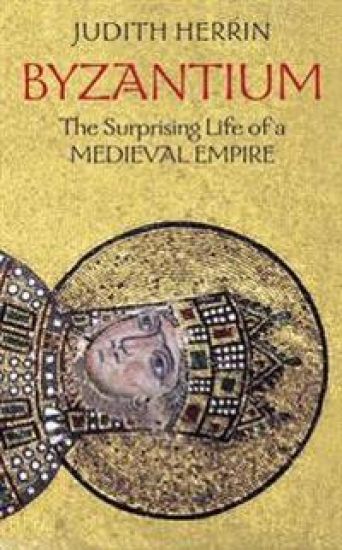
Byzantium. The name evokes grandeur and exoticism--gold, cunning, and complexity. In this unique book, Judith Herrin unveils the riches of a quite different civilization. Avoiding a standard chronological account of the Byzantine Empire's millennium--long history, she identifies the fundamental questions about Byzantium--what it was, and what special significance it holds for us today. Bringing the latest scholarship to a general audience in accessible prose, Herrin focuses each short chapter around a representative theme, event, monument, or historical figure, and examines it within the full sweep of Byzantine history--from the foundation of Constantinople, the magnificent capital city built by Constantine the Great, to its capture by the Ottoman Turks. She argues that Byzantium's crucial role as the eastern defender of Christendom against Muslim expansion during the early Middle Ages made Europe--and the modern Western world--possible. Herrin captivates us with her discussions of all facets of Byzantine culture and society. She walks us through the complex ceremonies of the imperial court. She describes the transcendent beauty and power of the church of Hagia Sophia, as well as chariot races, monastic spirituality, diplomacy, and literature. She reveals the fascinating worlds of military usurpers and ascetics, eunuchs and courtesans, and artisans who fashioned the silks, icons, ivories, and mosaics so readily associated with Byzantine art. An innovative history written by one of our foremost scholars, Byzantium reveals this great civilization's rise to military and cultural supremacy, its spectacular destruction by the Fourth Crusade, and its revival and final conquest in 1453.
Margins and Metropolis

Margins and Metropolis

Judith Herrin

Princeton University Press
2013
sidottu
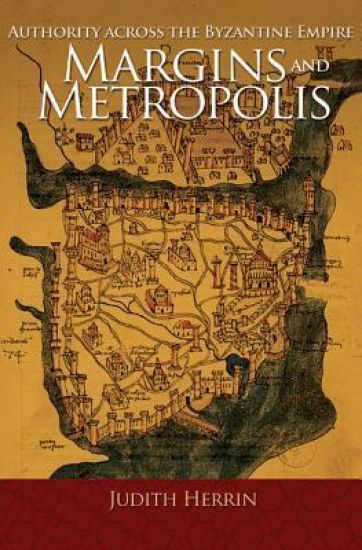
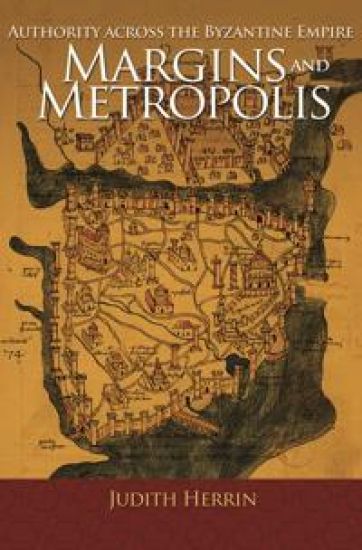
This volume explores the political, cultural, and ecclesiastical forces that linked the metropolis of Byzantium to the margins of its far-flung empire. Focusing on the provincial region of Hellas and Peloponnesos in central and southern Greece, Judith Herrin shows how the prestige of Constantinople was reflected in the military, civilian, and ecclesiastical officials sent out to govern the provinces. She evokes the ideology and culture of the center by examining different aspects of the imperial court, including diplomacy, ceremony, intellectual life, and relations with the church. Particular topics treat the transmission of mathematical manuscripts, the burning of offensive material, and the church's role in distributing philanthropy. Herrin contrasts life in the capital with provincial life, tracing the adaptation of a largely rural population to rule by Constantinople from the early medieval period onward. The letters of Michael Choniates, archbishop of Athens from 1182 to 1205, offer a detailed account of how this highly educated cleric coped with life in an imperial backwater, and demonstrate a synthesis of ancient Greek culture and medieval Christianity that was characteristic of the Byzantine elite. This collection of essays spans the entirety of Herrin's influential career and draws together a significant body of scholarship on problems of empire. It features a general introduction, two previously unpublished essays, and a concise introduction to each essay that describes how it came to be written and how it fits into her broader analysis of the unusual brilliance and longevity of Byzantium.
Unrivalled Influence

Unrivalled Influence

Judith Herrin

Princeton University Press
2013
sidottu
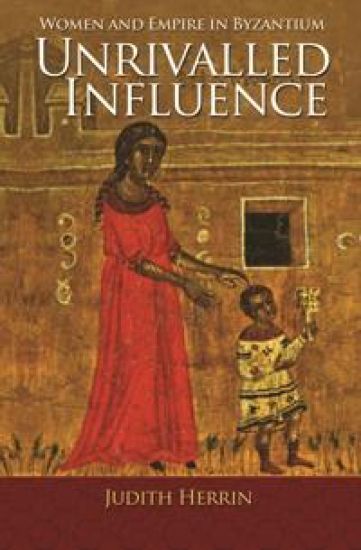
Unrivalled Influence explores the exceptional roles that women played in the vibrant cultural and political life of medieval Byzantium. Written by one of the world's foremost historians of the Byzantine millennium, this landmark book evokes the complex and exotic world of Byzantium's women, from empresses and saints to uneducated rural widows. Drawing on a diverse range of sources, Judith Herrin sheds light on the importance of marriage in imperial statecraft, the tense coexistence of empresses in the imperial court, and the critical relationships of mothers and daughters. She looks at women's interactions with eunuchs, the in-between gender in Byzantine society, and shows how women defended their rights to hold land. Herrin describes how they controlled their inheritances, participated in urban crowds demanding the dismissal of corrupt officials, followed the processions of holy icons and relics, and marked religious feasts with liturgical celebrations, market activity, and holiday pleasures. The vivid portraits that emerge here reveal how women exerted an unrivalled influence on the patriarchal society of Byzantium, and remained active participants in the many changes that occurred throughout the empire's millennial history. Unrivalled Influence brings together Herrin's finest essays on women and gender written throughout the long span of her esteemed career. This volume includes three new essays published here for the very first time and a new general introduction by Herrin. She also provides a concise introduction to each essay that describes how it came to be written and how it fits into her broader views about women and Byzantium.
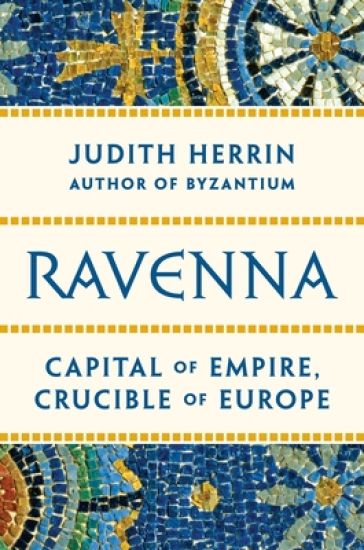
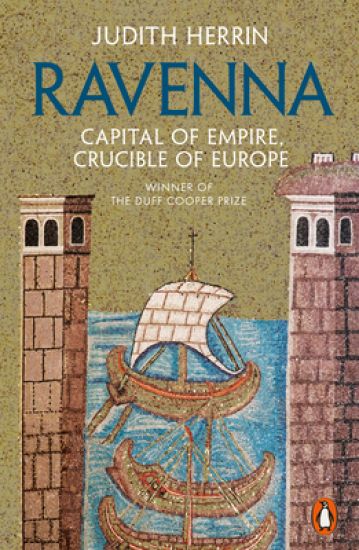
Ravenna: Capital of Empire, Crucible of Europe

Ravenna: Capital of Empire, Crucible of Europe

Judith Herrin

PRINCETON UNIVERSITY PRESS
2020
sidottu
A riveting history of the city that led the West out of the ruins of the Roman Empire At the end of the fourth century, as the power of Rome faded and Constantinople became the seat of empire, a new capital city was rising in the West. Here, in Ravenna on the coast of Italy, Arian Goths and Catholic Romans competed to produce an unrivaled concentration of buildings and astonishing mosaics. For three centuries, the city attracted scholars, lawyers, craftsmen, and religious luminaries, becoming a true cultural and political capital. Bringing this extraordinary history marvelously to life, Judith Herrin rewrites the history of East and West in the Mediterranean world before the rise of Islam and shows how, thanks to Byzantine influence, Ravenna played a crucial role in the development of medieval Christendom. Drawing on deep, original research, Herrin tells the personal stories of Ravenna while setting them in a sweeping synthesis of Mediterranean and Christian history. She narrates the lives of the Empress Galla Placidia and the Gothic king Theoderic and describes the achievements of an amazing cosmographer and a doctor who revived Greek medical knowledge in Italy, demolishing the idea that the West just descended into the medieval "Dark Ages." Beautifully illustrated and drawing on the latest archaeological findings, this monumental book provides a bold new interpretation of Ravenna's lasting influence on the culture of Europe and the West.
Margins and Metropolis

Margins and Metropolis

Judith Herrin

Princeton University Press
2015
pokkari
This volume explores the political, cultural, and ecclesiastical forces that linked the metropolis of Byzantium to the margins of its far-flung empire. Focusing on the provincial region of Hellas and Peloponnesos in central and southern Greece, Judith Herrin shows how the prestige of Constantinople was reflected in the military, civilian, and ecclesiastical officials sent out to govern the provinces. She evokes the ideology and culture of the center by examining different aspects of the imperial court, including diplomacy, ceremony, intellectual life, and relations with the church. Particular topics treat the transmission of mathematical manuscripts, the burning of offensive material, and the church's role in distributing philanthropy. Herrin contrasts life in the capital with provincial life, tracing the adaptation of a largely rural population to rule by Constantinople from the early medieval period onward. The letters of Michael Choniates, archbishop of Athens from 1182 to 1205, offer a detailed account of how this highly educated cleric coped with life in an imperial backwater, and demonstrate a synthesis of ancient Greek culture and medieval Christianity that was characteristic of the Byzantine elite. This collection of essays spans the entirety of Herrin's influential career and draws together a significant body of scholarship on problems of empire. It features a general introduction, two previously unpublished essays, and a concise introduction to each essay that describes how it came to be written and how it fits into her broader analysis of the unusual brilliance and longevity of Byzantium.
Unrivalled Influence

Unrivalled Influence

Judith Herrin

Princeton University Press
2015
pokkari
Unrivalled Influence explores the exceptional roles that women played in the vibrant cultural and political life of medieval Byzantium. Written by one of the world's foremost historians of the Byzantine millennium, this landmark book evokes the complex and exotic world of Byzantium's women, from empresses and saints to uneducated rural widows. Drawing on a diverse range of sources, Judith Herrin sheds light on the importance of marriage in imperial statecraft, the tense coexistence of empresses in the imperial court, and the critical relationships of mothers and daughters. She looks at women's interactions with eunuchs, the in-between gender in Byzantine society, and shows how women defended their rights to hold land. Herrin describes how they controlled their inheritances, participated in urban crowds demanding the dismissal of corrupt officials, followed the processions of holy icons and relics, and marked religious feasts with liturgical celebrations, market activity, and holiday pleasures. The vivid portraits that emerge here reveal how women exerted an unrivalled influence on the patriarchal society of Byzantium, and remained active participants in the many changes that occurred throughout the empire's millennial history. Unrivalled Influence brings together Herrin's finest essays on women and gender written throughout the long span of her esteemed career. This volume includes three new essays published here for the very first time and a new general introduction by Herrin. She also provides a concise introduction to each essay that describes how it came to be written and how it fits into her broader views about women and Byzantium.
Ravenna: Capital of Empire, Crucible of Europe

Ravenna: Capital of Empire, Crucible of Europe

Judith Herrin

PRINCETON UNIVERSITY PRESS
2022
nidottu
A riveting history of the city that led the West out of the ruins of the Roman Empire At the end of the fourth century, as the power of Rome faded and Constantinople became the seat of empire, a new capital city was rising in the West. Here, in Ravenna on the coast of Italy, Arian Goths and Catholic Romans competed to produce an unrivaled concentration of buildings and astonishing mosaics. For three centuries, the city attracted scholars, lawyers, craftsmen, and religious luminaries, becoming a true cultural and political capital. Bringing this extraordinary history marvelously to life, Judith Herrin rewrites the history of East and West in the Mediterranean world before the rise of Islam and shows how, thanks to Byzantine influence, Ravenna played a crucial role in the development of medieval Christendom. Drawing on deep, original research, Herrin tells the personal stories of Ravenna while setting them in a sweeping synthesis of Mediterranean and Christian history. She narrates the lives of the Empress Galla Placidia and the Gothic king Theoderic and describes the achievements of an amazing cosmographer and a doctor who revived Greek medical knowledge in Italy, demolishing the idea that the West just descended into the medieval "Dark Ages." Beautifully illustrated and drawing on the latest archaeological findings, this monumental book provides a bold new interpretation of Ravenna's lasting influence on the culture of Europe and the West.
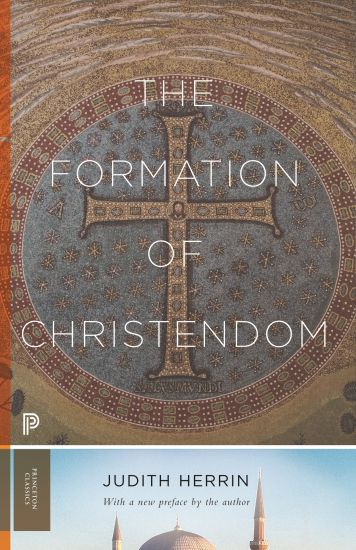
The Formation of Christendom

The Formation of Christendom

Judith Herrin

Princeton University Press
2021
pokkari
A groundbreaking history of how the Christian “West” emerged from the ancient Mediterranean worldIn this acclaimed history of Early Christendom, Judith Herrin shows how—from the sack of Rome in 410 to the coronation of Charlemagne in 800—the Christian “West” grew out of an ancient Mediterranean world divided between the Roman west, the Byzantine east, and the Muslim south. Demonstrating that religion was the period’s defining force, she reveals how the clash over graven images, banned by Islam, both provoked iconoclasm in Constantinople and generated a distinct western commitment to Christian pictorial narrative. In a new preface, Herrin discusses the book’s origins, reception, and influence.
Personification in the Greek World

Personification in the Greek World

Judith Herrin

Ashgate Publishing Limited
2005
sidottu
Personification, the anthropomorphic representation of any non-human thing, is a ubiquitous feature of ancient Greek literature and art. Natural phenomena (earth, sky, rivers), places (cities, countries), divisions of time (seasons, months, a lifetime), states of the body (health, sleep, death), emotions (love, envy, fear), and political concepts (victory, democracy, war) all appear in human, usually female, form. Some have only fleeting incarnations, others become widely-recognised figures, and others again became so firmly established as deities in the imagination of the community that they received elements of cult associated with the Olympian gods. Though often seen as a feature of the Hellenistic period, personifications can be found in literature, art and cult from the Archaic period onwards; with the development of the art of allegory in the Hellenistic period, they came to acquire more 'intellectual' overtones; the use of allegory as an interpretative tool then enabled personifications to survive the advent of Christianity, to remain familiar figures in the art and literature of Late Antiquity and beyond. The twenty-one papers presented here cover personification in Greek literature, art and religion from its pre-Homeric origins to the Byzantine period. Classical Athens features prominently, but other areas of both mainland Greece and the Greek East are well represented. Issues which come under discussion include: problems of identification and definition; the question of gender; the status of personifications in relation to the gods; the significance of personification as a literary device; the uses and meanings of personification in different visual media; personification as a means of articulating place, time and worldly power. The papers reflect the enormous range of contexts in which personification occurs, indicating the ubiquity of the phenomenon in the ancient Greek world.