Kirjojen hintavertailu. Mukana 11 244 527 kirjaa ja 12 kauppaa.

Kirjahaku

Etsi kirjoja tekijän nimen, kirjan nimen tai ISBN:n perusteella.

3 kirjaa tekijältä Judith L. Van Buskirk

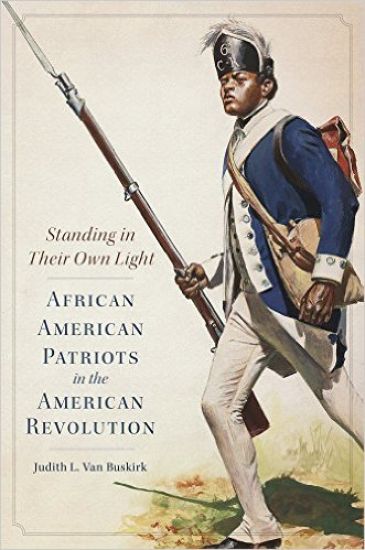
Standing in Their Own Light

Standing in Their Own Light

Judith L. Van Buskirk

University of Oklahoma Press
2017
sidottu
The Revolutionary War encompassed at least two struggles: one for freedom from British rule, and another, quieter but no less significant fight for the liberty of African Americans, thousands of whom fought in the Continental Army. Because these veterans left few letters or diaries, their story has remained largely untold, and the significance of their service largely unappreciated. Standing in Their Own Light restores these African American patriots to their rightful place in the historical struggle for independence and the end of racial oppression. Revolutionary era African Americans began their lives in a world that hardly questioned slavery; they finished their days in a world that increasingly contested the existence of the institution. Judith L. Van Buskirk traces this shift to the wartime experiences of African Americans. Mining firsthand sources that include black veterans' pension files, Van Buskirk examines how the struggle for independence moved from the battlefield to the courthouse - and how personal conflicts contributed to the larger struggle against slavery and legal inequality. Black veterans claimed an American identity based on their willing sacrifice on behalf of American independence. And abolitionists, citing the contributions of black soldiers, adopted the tactics and rhetoric of revolution, personal autonomy, and freedom. Van Buskirk deftly places her findings in the changing context of the time. She notes the varied conditions of slavery before the war, the different degrees of racial integration across the Continental Army, and the war's divergent effects on both northern and southern states. Her efforts retrieve black patriots' experiences from historical obscurity and reveal their importance in the fight for equal rights - even though it would take another war to end slavery in the United States.
Standing in Their Own Light

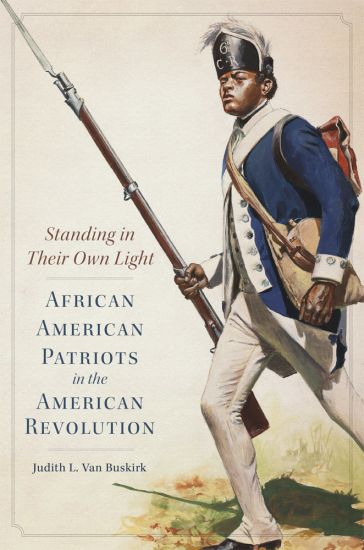
Standing in Their Own Light

Judith L. Van Buskirk

University of Oklahoma Press
2018
nidottu
The Revolutionary War encompassed at least two struggles: one for freedom from British rule, and another, quieter but no less significant fight for the liberty of African Americans, thousands of whom fought in the Continental Army. Because these veterans left few letters or diaries, their story has remained largely untold, and the significance of their service largely unappreciated. Standing in Their Own Light restores these African American patriots to their rightful place in the historical struggle for independence and the end of racial oppression. Revolutionary era African Americans began their lives in a world that hardly questioned slavery; they finished their days in a world that increasingly contested the existence of the institution. Judith L. Van Buskirk traces this shift to the wartime experiences of African Americans. Mining firsthand sources that include black veterans' pension files, Van Buskirk examines how the struggle for independence moved from the battlefield to the courthouse - and how personal conflicts contributed to the larger struggle against slavery and legal inequality. Black veterans claimed an American identity based on their willing sacrifice on behalf of American independence. And abolitionists, citing the contributions of black soldiers, adopted the tactics and rhetoric of revolution, personal autonomy, and freedom. Van Buskirk deftly places her findings in the changing context of the time. She notes the varied conditions of slavery before the war, the different degrees of racial integration across the Continental Army, and the war's divergent effects on both northern and southern states. Her efforts retrieve black patriots' experiences from historical obscurity and reveal their importance in the fight for equal rights - even though it would take another war to end slavery in the United States.
Generous Enemies

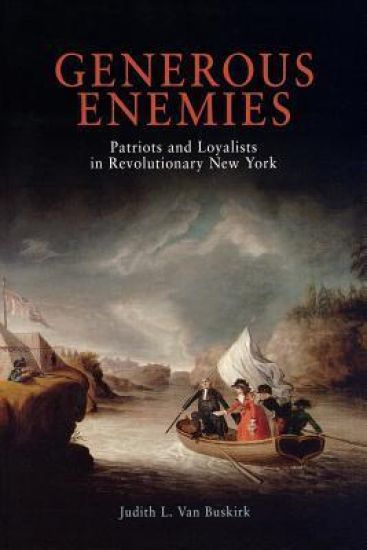
Generous Enemies

Judith L. Van Buskirk

University of Pennsylvania Press
2003
pokkari
In July 1776, the final group of more than 130 ships of the Royal Navy sailed into the waters surrounding New York City, marking the start of seven years of British occupation that spanned the American Revolution. What military and political leaders characterized as an impenetrable "Fortress Britannia"-a bastion of solid opposition to the American cause-was actually very different. As Judith L. Van Buskirk reveals, the military standoff produced civilian communities that were forced to operate in close, sustained proximity, each testing the limits of political and military authority. Conflicting loyalties blurred relationships between the two sides: John Jay, a delegate to the Continental Congresses, had a brother whose political loyalties leaned toward the Crown, while one of the daughters of Continental Army general William Alexander lived in occupied New York City with her husband, a prominent Loyalist. Indeed, the texture of everyday life during the Revolution was much more complex than historians have recognized. Generous Enemies challenges many long-held assumptions about wartime experience during the American Revolution by demonstrating that communities conventionally depicted as hostile opponents were, in fact, in frequent contact. Living in two clearly delineated zones of military occupation-the British occupying the islands of New York Bay and the Americans in the surrounding countryside-the people of the New York City region often reached across military lines to help friends and family members, pay social calls, conduct business, or pursue a better life. Examining the movement of Loyalist and rebel families, British and American soldiers, free blacks, slaves, and businessmen, Van Buskirk shows how personal concerns often triumphed over political ideology. Making use of family letters, diaries, memoirs, soldier pensions, Loyalist claims, committee and church records, and newspapers, this compelling social history tells the story of the American Revolution with a richness of human detail.