Kirjojen hintavertailu. Mukana 11 244 527 kirjaa ja 12 kauppaa.

Kirjahaku

Etsi kirjoja tekijän nimen, kirjan nimen tai ISBN:n perusteella.

4 kirjaa tekijältä Judith S. Weis

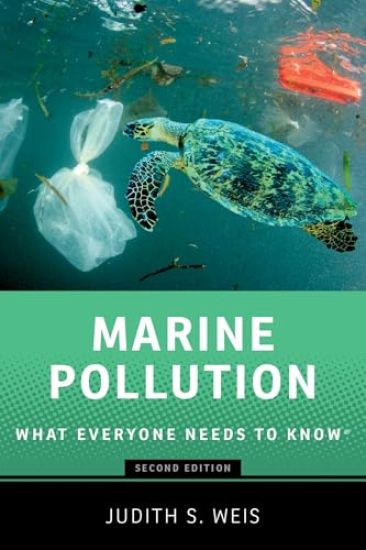
Marine Pollution

Marine Pollution

Judith S. Weis

OXFORD UNIVERSITY PRESS INC
2024
nidottu
For millennia, human societies have viewed the ocean as a dumping ground for waste products of all kinds. The sources of marine pollution are extensive, including oil spills, sewage, fertilizers, pesticides, industrial wastes, heavy metals, ocean acidification, plastics, and even invasive species, considered biological pollution. Yet, the solutions are not as clear. Updated to reflect recent research, this book discusses the sources of marine pollutants, their effects on marine organisms and humans, and how to reduce or eliminate them. Weis covers the aftermath of oil spills in addition to "emerging" topics like flame retardants, pharmaceuticals, noise pollution, and PFAS. A new chapter examines the prevalence of microplastics and how they rise through the food chain into human beings, along with their associated toxic chemicals. Additional chapters address the deadly effects of climate change in the ocean but also focus on actions that all people can take, citing recent environmental improvements as a cause for hope.
Marine Pollution

Marine Pollution

Judith S. Weis

Oxford University Press Inc
2015
nidottu
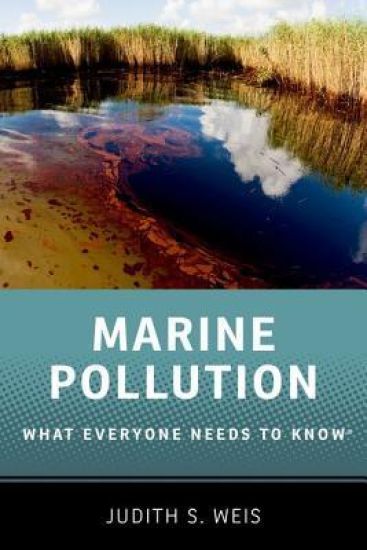
Marine pollution occurs today in varied forms--chemical, industrial, and agricultural-and the sources of pollution are endless. In recent history, we've seen oil spills, untreated sewage, eutrophication, invasive species, heavy metals, acidification, radioactive substances, marine litter, and overfishing, among other significant problems. Though marine pollution has long been a topic of concern, it has very recently exploded in environmental, economic, and political debate circles; scientists and non-scientists alike continue to be shocked and dismayed at the sheer diversity of water pollutants and the many ways they can come to harm our environment and our bodies. In Marine Pollution: What Everyone Needs to Know, Judith Weis covers marine pollution from many different angles, each fascinating in its own right. Beginning with its sources and history, the book describes in detail each common pollutant, why exactly it is harmful, why it may draw controversy, and how we can prevent it from destroying our aquatic ecosystems. Weis discusses topics like what actually happened with the Exxon Valdez, and why Harmful Algal Blooms are a serious concern. Later chapters will discuss pollutants that are only now surfacing as major threats, such as pharmaceuticals, personal care products, and metal nanoparticles, and explain how these can begin in the water and progress up the food chain and emerge in human bodies. The book's final section will discuss the effects of climate change and acidification on marine pollution levels, and how we can reduce pollution at the local and global levels.
Marine Pollution

Marine Pollution

Judith S. Weis

Oxford University Press Inc
2015
sidottu
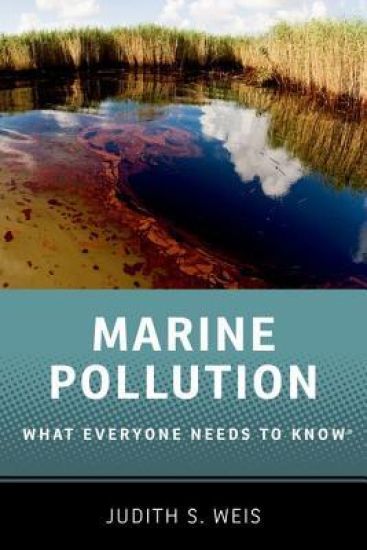
Marine pollution occurs today in varied forms--chemical, industrial, and agricultural-and the sources of pollution are endless. In recent history, we've seen oil spills, untreated sewage, eutrophication, invasive species, heavy metals, acidification, radioactive substances, marine litter, and overfishing, among other significant problems. Though marine pollution has long been a topic of concern, it has very recently exploded in environmental, economic, and political debate circles; scientists and non-scientists alike continue to be shocked and dismayed at the sheer diversity of water pollutants and the many ways they can come to harm our environment and our bodies. In Marine Pollution: What Everyone Needs to Know, Judith Weis covers marine pollution from numerous angles, each fascinating in its own right. Beginning with its sources and history, she discusses common pollutants, why they are harmful, why they cause controversy, and how we can prevent them from destroying our aquatic ecosystems. Questions ask what actually happened with the Exxon Valdez, and why harmful algal blooms are a serious concern. Covering pollutants that are only now surfacing as major threats, such as pharmaceuticals, personal care products, and metal nanoparticles, she explains how these can begin in the water and progress up the food chain to emerge in human bodies. Looking at the effects of climate change and acidification on marine pollution levels, we learn how we can begin to reduce pollution at the local and global levels.
Walking Sideways

Walking Sideways

Judith S. Weis

Comstock Publishing Associates
2012
sidottu
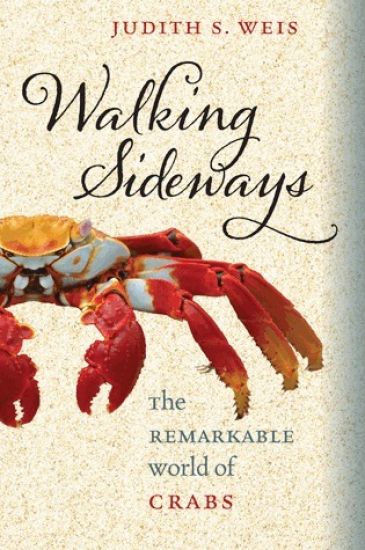
The world's nearly 7,000 species of crabs are immediately recognizable by their claws, sideways movement, stalked eyes, and thick outer shells. These common crustaceans are found internationally, thriving in various habitats from the edge of the sea to the depths of the ocean, in fresh water or on land. Despite having the same basic body type as decapod crustaceans—true crabs have heavy exoskeletons and ten limbs with front pincer claws—crabs come in an enormous variety of shapes and sizes, from the near microscopic to the giant Japanese spider crab. In Walking Sideways, Judith S. Weis provides an engaging and informative tour of the remarkable world of crabs, highlighting their unique biology and natural history. She introduces us to recently discovered crabs such as the Yeti crab found in deep sea vents, explains what scientists are learning about blue and hermit crabs commonly found at the shore, and gives us insight into the lifecycles of the king and Dungeness crabs typically seen only on dinner plates. Among the topics Weis covers are the evolution and classification of crabs, their habitats, unique adaptations to water and land, reproduction and development, behavior, ecology, and threats, including up-to-date research. Crabs are of special interest to biologists for their communication behaviors, sexual dimorphism, and use of chemical stimuli and touch receptors, and Weis explains the importance of new scientific discoveries. In addition to the traditional ten-legged crabs, the book also treats those that appear eight-legged, including hermit crabs, king crabs, and sand crabs. Sidebars address topics of special interest, such as the relationship of lobsters to crabs and medical uses of compounds derived from horseshoe crabs (which aren't really crabs). While Weis emphasizes conservation and the threats that crabs face, she also addresses the use of crabs as food (detailing how crabs are caught and cooked) and their commercial value from fisheries and aquaculture. She highlights other interactions between crabs and people, including keeping hermit crabs as pets or studying marine species in the laboratory and field. Reminding us of characters such as The Little Mermaid's Sebastian and Sherman Lagoon's Hawthorne, she also surveys the role of crabs in literature (for both children and adults), film, and television, as well in mythology and astrology. With illustrations that offer delightful visual evidence of crab diversity and their unique behaviors, Walking Sideways will appeal to anyone who has encountered these fascinating animals on the beach, at an aquarium, or in the kitchen.