Kirjojen hintavertailu. Mukana 11 342 296 kirjaa ja 12 kauppaa.

Kirjahaku

Etsi kirjoja tekijän nimen, kirjan nimen tai ISBN:n perusteella.

2 kirjaa tekijältä Julian Strube

Global Tantra

Global Tantra

Julian Strube

OXFORD UNIVERSITY PRESS INC
2022
sidottu
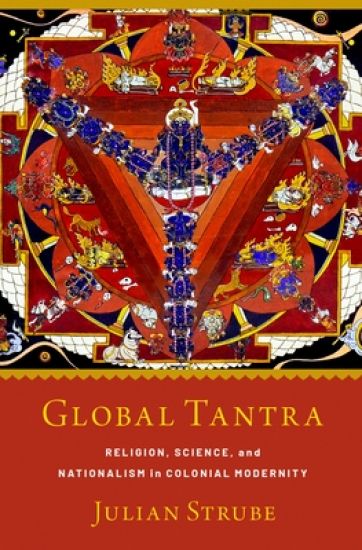
Tantra has formed an integral part of Asian religious history for centuries, but since "Arthur Avalon" introduced the concept to a global readership in the early twentieth century, Tantric traditions have exploded in popularity. While it was long believed that Sir John Woodroffe stood behind Avalon, it was in fact mainly a collaboration between learned South Asians. Julian Strube considers Tantra from the Indian perspective, offering rare insight into the active roles that Indians have played in its globalization and re-negotiation in local Indian contexts. In the early twentieth century, Avalon's publications were crucial to Tantra's visibility in academia and the recognition of Tantra's vital role in South Asian culture. South Asian religious, social, and political life is inexorably intertwined with various Tantric scriptures and traditions, especially in Shaiva and Shakta contexts. In Bengal, Tantra was central to cultural dynamics including Vaishnava and Muslim currents, as well as universalist tendencies incorporating Christianity and esoteric movements such as New Thought, Spiritualism, and Theosophy. Global Tantra contextualizes struggles about orthodoxy and reform in Bengal, and explores the global connections that shaped them. The study elides boundaries between academic disciplines as well as historical and regional contexts, providing insights into global debates about religion, science, esotericism, race, and national identity.
Sozialismus, Katholizismus und Okkultismus im Frankreich des 19. Jahrhunderts
Die Studie behandelt den religiösen Charakter der wichtigsten sozialistischen Strömungen unter der Julimonarchie und ihr erstaunliches Fortbestehen in neuen religiösen Bewegungen in der zweiten Hälfte des 19. Jahrhunderts. Als roter Faden dient dabei die Entwicklung des radikalen Sozialisten Alphonse-Louis Constant (1810-1875), der unter dem Pseudonym Eliphas Lévi als Begründer des Okkultismus gilt. Die umfangreiche Kontextualisierung seiner Schriften zeigt, dass er seine okkultistischen Ideen nicht etwa in einem „esoterischen“ Kontext entwickelte, sondern vor dem Hintergrund sozialistischer und so genannter „neo-katholischer“ Diskurse. Die dabei gewonnenen Einblicke erlauben die Hinterfragung festgeschriebener Rollen auf der Bühne der europäischen Religionsgeschichte. So erweist sich die weit verbreitete Annahme eines Antagonismus zwischen fortschrittlichen sozialistischen und reaktionären religiösen Kräften, der seinen Höhepunkt in der laïcité gefunden habe, als irreführend. Ebenso wird in diesem Zusammenhang die Notwendigkeit einer Neubewertung von Esoterik verdeutlicht. Dies ermöglicht nicht nur neue Sichtweisen auf die Politikgeschichte, sondern auch auf kontrovers diskutierte Prozesse der Modernisierung und Säkularisierung.