Kirjahaku
Etsi kirjoja tekijän nimen, kirjan nimen tai ISBN:n perusteella.
10 tulosta hakusanalla "R.U.R."
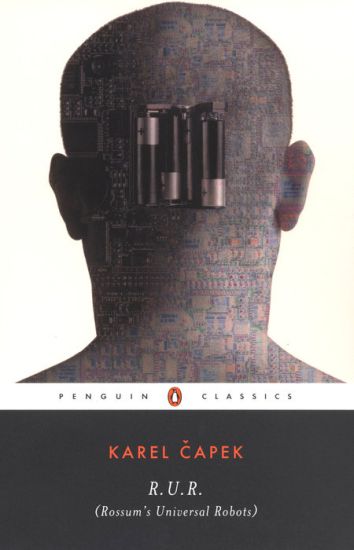
A visionary work of science fiction that introduced the word "robot"Written in 1920, premiered in Prague in 1921, and first performed in New York in 1922—garnered worldwide acclaim for its author and popularized the word robot. Mass-produced as efficient laborers to serve man, Capek’s Robots are an android product—they remember everything but think of nothing new. But the Utopian life they provide ultimately lacks meaning, and the humans they serve stop reproducing. When the Robots revolt, killing all but one of their masters, they must strain to learn the secret of self-duplication. It is not until two Robots fall in love and are christened “Adam” and “Eve” by the last surviving human that Nature emerges triumphant.For more than seventy years, Penguin has been the leading publisher of classic literature in the English-speaking world. With more than 1,700 titles, Penguin Classics represents a global bookshelf of the best works throughout history and across genres and disciplines. Readers trust the series to provide authoritative texts enhanced by introductions and notes by distinguished scholars and contemporary authors, as well as up-to-date translations by award-winning translators.
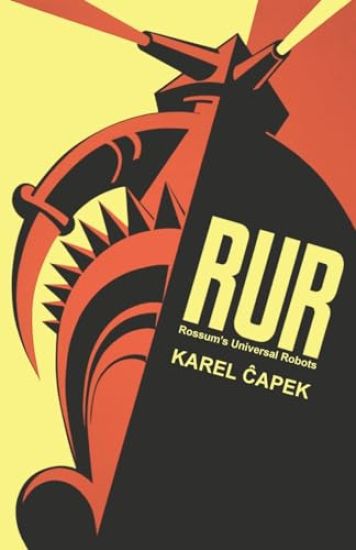
R.U.R., or Rossum's Universal Robots, is a play written in 1920 by Karel Čapek, a Czech writer who authored many plays and novels, many with science-fiction and dystopian themes. R.U.R. is perhaps the best known of these works because it brought the word robot into the English language. Robot is derived from the Czech word meaning "worker."The play is set in the island headquarters of the R.U.R. corporation. The corporation has been manufacturing artificial beings that resemble humans but are tireless workers. They can be mass-produced in large numbers and are being adopted as laborers in many countries. In the play's first scene, they are visited by a young woman, Helena Glory, who aspires to relieve the lot of the robots, whom she sees as oppressed. However, in what must be the fastest seduction scene in all of drama, she is wooed by and agrees to marry Harry Domin, the factory manager she has just met. She still aspires to improve the life of robots and find a way to give them souls. Ultimately, however, this admirable desire leads to disaster for humankind.The play was translated into English and slightly abridged by Paul Selver and Nigel Playfair in 1923. This version quickly became popular with both British and American audiences and was well received by critics.The play is wildly entertaining, a delight to read. But it also foreshadows many of the issues we face in the widespread use of automation and artificial intelligence. What could possibly go wrong?
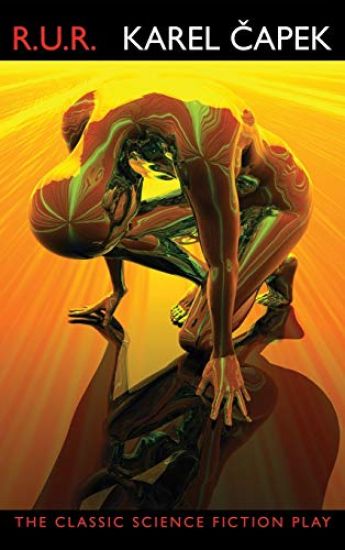
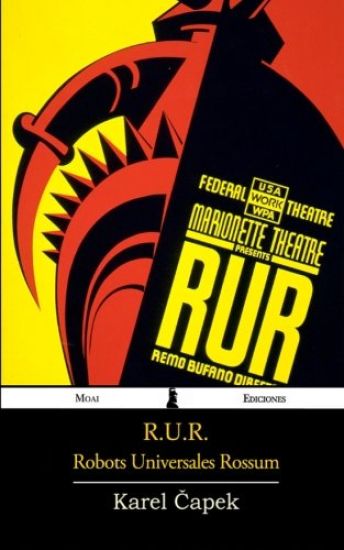
R.U.R.: Robots Universales Rossum
Karel Capek
Createspace Independent Publishing Platform
2016
nidottu
R.U.R. es una obra teatral escrita en 1921 y estrenada ese mismo a o en Praga y en 1922 en Nueva York, cosechando un xito mundial. Una de las obras claves de la ciencia ficci n moderna, no s lo introdujo el t rmino "robot" en el lenguaje popular, sino que adem s explora las diversas vertientes entre los hombres y sus creaciones artificiales. Aunque los robots de Capek est n m s cerca de nuestra actual definici n de cyborg, o incluso de clones, son en el fondo unas simples m quinas dise adas para servir, pero no para pensar. Aunque felices de vivir en su particular Utop a, pronto los robots se rebelar n contra la humanidad buscando convertirse en aquello que son sus creadores. * Karel Capek (1890-1938) fue uno de los principales escritores checos del periodo de entreguerras. Autor teatral, novelista y periodista, escribi varios cl sicos de la ciencia ficci n y la literatura especulativa, como "R.U.R.", "La F brica del Absoluto" o "La Guerra de las Salamandras".