2:12 a.m. is an insomniac’s tour of counterproductive bedtime stories, Vegas weddings, Southern funerals, Nevada’s nuclear testing grounds, Patty Hearst, Marina Oswald, sleepwalking murderers, Louise Bourgeois’s Insomnia Drawings and more, revealing what wakeful nights conjure for a North Carolinian turned Californian, a farm child turned suburbanite, a 1960s romantic turned fatalist and a once-but-no-longer “gifted” sleeper.The collection, comprised of Best American Essays notables, Pushcart Prize nominees and the winner of Drunken Boat’s Editors’ Choice nonfiction award, mixes the strictly autobiographical with voice-driven reportage and includes essays that are factual, meditative, investigatory and lyrical to take full advantage of the versatility of the form. 2:12 a.m. is a book for all who revisit the past and brood on the future—a book about the dislocations of contemporary life, the hauntings of memory, and the perennial search, late night or otherwise, for meaning in existence.
Ina adores Babette and visits her cousin regularly in whichever facility Babette currently resides. She trusts Babette's take on all things and has since childhood ("orphans cannot afford to be squeamish"), but on Tuesday's visit, to her grave detriment, Ina fails to follow Babette's advice when an "incident" throws all in chaos.("I told you to hide, cousin," Babette said sorrowfully...)A one-way Alice in Wonderland, Ina now lives in Babette's world of lockdowns, barred windows, displaced ducks, mashed potatoes, plays told as stories and stories told as plays, perpetual cleaning, howls in the night and far too many windows.Staying sane isn't as simple as it seems.
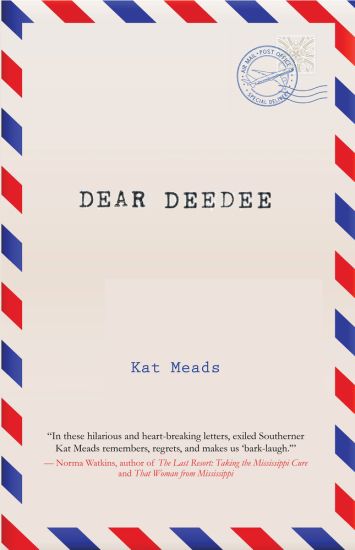
West Coast-based Aunt K (the author) writes to niece DeeDee, ostensibly to bring her up to speed on family history and share anecdotes about their North Carolina relatives, past and present. The letters soon evolve into broader discussions of community, loss, love, ambition, leaving the South (in body, if not mind) and what it means to negotiate life as a female. Integral to the correspondence are books and writers (from Burroughs to Woolf), landscapes and cityscapes in North Carolina, California, New Mexico, New York, East Sussex and elsewhere. A persistent theme: the inter-weavings of person and place. It is also, in the sum of its parts, deeply concerned with the question of which elements (genetic and circumstantial) conspire to make us who we are.