Kirjojen hintavertailu. Mukana 11 717 486 kirjaa ja 12 kauppaa.

Kirjahaku

Etsi kirjoja tekijän nimen, kirjan nimen tai ISBN:n perusteella.

7 kirjaa tekijältä Kathryn Ferry

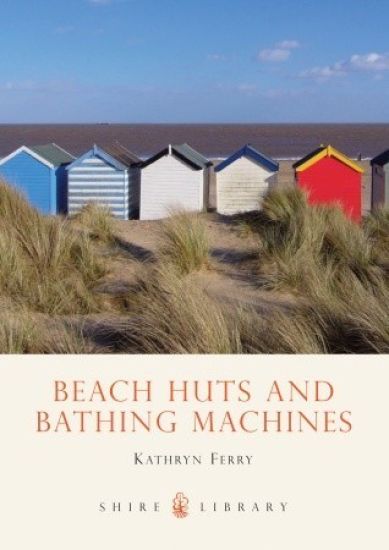
Beach Huts and Bathing Machines

Beach Huts and Bathing Machines

Kathryn Ferry

Shire Publications
2009
nidottu
Behind the enduring popularity of beach huts lies a story of classic British eccentricity. Immensely photogenic and appealing, these colourful seaside buildings are direct successors of the Georgian bathing machine, which first appeared in the 1730s as a peculiar device to protect the modesty of rich and fashionable bathers. Kathryn Ferry paints a picture postcard view of the classic British seaside holiday through the history of beach huts and bathing machines, revealing how the changing fashions in society shaped their design and development. It provides a fascinating celebration of the evolution of the beach hut from its unusual beginnings, to its status as a much-loved and sought-after structure by many a British holiday maker to this day.
The Victorian Home

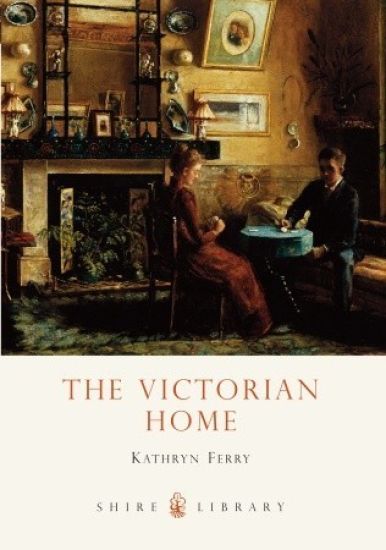
The Victorian Home

Kathryn Ferry

Shire Publications
2010
nidottu
The nineteenth century saw huge changes in design and technology that meant that a middle-class home looked very different by the time Queen Victoria died in 1901 to how it had at her accession in 1837. This book looks at the social history of rooms in the Victorian home and at how, thanks to industrialised mass production, people were empowered to make choices about how to decorate their homes. Numerous exterior and interior styles were available as Victorian architects and designers grappled towards a new decorative language by testing the best from the past. This meant that families could choose to live in an Italianate villa, a semi-detached Gothic or a Queen Anne terraced home. From the 1870s, the Arts and Crafts Movement rejected consumption for consumption's sake and gave us a brand of interior design still relevant and appreciated today.
The 1950s Kitchen

The 1950s Kitchen

Kathryn Ferry

Shire Publications
2011
nidottu
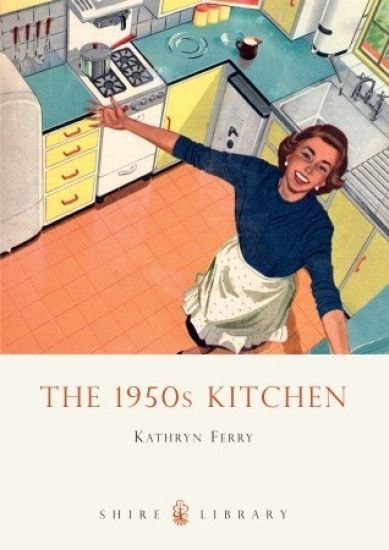
The 1950s was the first great age of the modern kitchen. Labour-saving appliances, bright colours and the novelty of fitted units moved the kitchen from dankness into light, where it became the domain of the happy housewife and the heart of the home. New space-age material Formica, decorated with fashionable patterns, topped sleek cupboards that contained new classic wares such as Pyrex and 'Homemaker' crockery, and the ingredients for 1950s staples: semolina, coronation chicken and spotted dick. Electricity entered the kitchens of millions, and nowhere in the home was modern technology and modern design more evident. Bold colour, clean lines and stainless steel were keynotes of the decade. This book – a celebration of cooking, eating and living in the 1950s kitchen – is a feast of nostalgia, and a mine of inspiration for anyone wanting to recreate that '50s look in their own home.
Lacock

Lacock

Kathryn Ferry

National Trust
2013
nidottu
Written by popular architectural historian Kathryn Ferry, Lacock (Wiltshire) unravels the long and complex history of a medieval abbey turned country home; focuses on one of the most revolutionary inventions of the last 200 years; and guides you through the streets of a village now well-known to millions of TV viewers and movie goers. There are few places with as much history and as many stories to tell. Featuring contemporary as well as some of the earliest-known photography, this 64-page souvenir guide is an engaging introduction to Lacock and the people who lived here. Floor plans help guide you through the complex of rooms, while the colourful birds-eye view shows abbey, museum and village and where to find any number of hostelries for refreshment.
Chastleton House, Oxfordshire

Chastleton House, Oxfordshire

Kathryn Ferry

National Trust
2013
nidottu
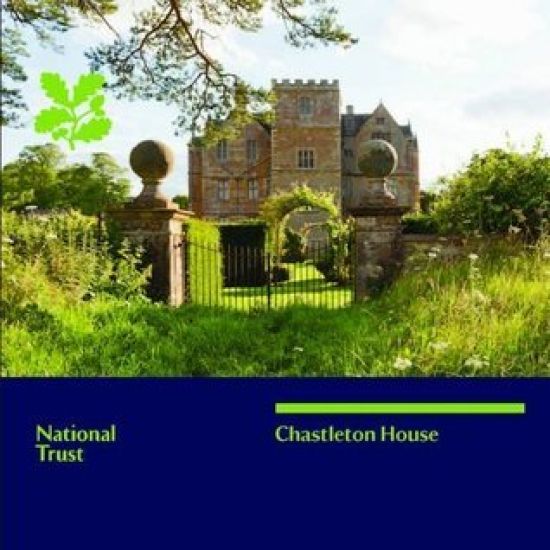
'Poverty is a great preserver' - Barbara Clutton-Brock, the last private owner of Chastleton HouseA rare gem of a Jacobean country house, Chastleton House was built between 1607 and 1612 by a prosperous wool merchant as an impressive statement of wealth and power.Owned by the same increasingly impoverished family until 1991, the house remained essentially unchanged for nearly 400 years as the interiors and contents gradually succumbed to the ravages of time.With virtually no intrusion from the 21st century, this fascinating place exudes an informal and timeless atmosphere in a gloriously unspoilt setting.
Twentieth Century Seaside Architecture
A nostalgic exploration of Britain’s distinctive and architecturally significant seafront buildings from the 1920s to the new millennium.British seaside resorts enjoyed phenomenal popularity for much of the twentieth century. Told chronologically, this book is the first look at how resort architecture around the UK coast kept pace with changing fashions and the increasing competition of foreign destinations.Using vintage postcard images, Kathryn Ferry showcases the inherent playfulness of seaside architecture as it evolved from interwar classicism, through art deco and international modernism, to Festival of Britain-inspired mid-century style, then later to seafront tower blocks and the artificial beaches of 1970s leisure centres. Featuring a wide range of building types, Twentieth Century Seaside Architecture explores everything from beach huts and bandstands to lidos, piers, theatres, hotels and amusement arcades.As climate change and the soaring cost of living provoke changing attitudes to travel, Britain’s seaside has witnessed renewed popularity, making now the perfect time to champion our architectural legacy of domestic tourism. Offering a compelling reassessment, Twentieth Century Seaside Architecture will appeal to fans of architecture and design who love to be beside the sea.
Seaside 100

Seaside 100

Kathryn Ferry

Unicorn Publishing Group
2020
sidottu
Sandcastles, donkeys, piers and sticks of rock. Beach huts, paddle steamers, promenade shelters and ice cream cones. Our modern seaside is the sum of its parts and all those parts have their history. This book explores the best-loved features of our favourite holiday destinations, each object and building adding its own layer to the story of our shared seaside heritage. Using a mixture of historic images and modern photographs the book takes a roughly chronological journey through the things that have made our seaside distinctive. The places where we have chosen to take our holidays for the past three hundred years have been transformed from mere stretches of coastline but they are not like inland towns. Inside these pages can be found a celebration of all that makes our seaside special.