

Kirjahaku
Etsi kirjoja tekijän nimen, kirjan nimen tai ISBN:n perusteella.
3 kirjaa tekijältä Katy Carl
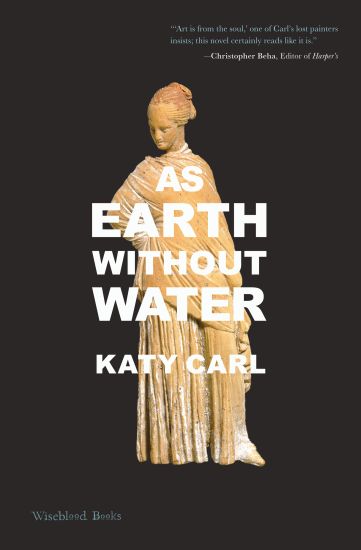
When Dylan Fielding, celebrated contemporary visual artist, becomes Br. Thomas Augustine, novice at Our Lady of the Pines monastery, he finds delight not only in the shock his choice causes everyone around him but--to his own surprise--in the rhythms of the life itself. Shortly before he solidifies a lifelong commitment to the community, a traumatic encounter with an abusive priest plunges Thomas Augustine into terror and doubt. Reeling and uncertain, he reaches out to his friend, rival, and former lover, Angele Solomon, with hopes that she can help him to speak the difficult truth. As she attempts to advocate for her friend, Angele must ask how the scars left by their common past-as well as newer harms-can ever be healed or transcended. The wider inquiries demanded next will transfigure how both of them picture a range of human and divine things: time and memory; art and agency; trust and responsibility; and what it might mean to know real freedom.

If artists are no longer able to fall back on the explanatory power of familiar grand narratives, or to lift up, within a story's scope, any single perspective as the key to reality, how can literature make good sense of life? What possibilities still await realistic fiction, given that earlier conventions of realism are widely received, today, as contrived, overdone, and insupportable? While walking the skeptic's tightrope, fiction writers must still find ways to recover the enduring virtues of fiction-to create sympathy between character and reader so as to truthfully render common human experience against the fragmentations of a postmodern world. Faced with the inherent limitations of fictional technique-and an audience trained to be hyper-conscious and even cynical in the face of those limitations-novelist Christopher Beha nevertheless finds ways to re-enliven the aesthetic quest to represent real life in an amorphous age. The consequential weight of free will and the restless longing for transcendence do not dissolve into lost illusions; instead, they turn out to be as demonstrably present to Beha's characters as the smooth pane of a window or the polished handle of a car door. As Beha's novels achieve an outward turn, freeing characters from solipsistic self-focus, they also move toward locales and liturgies widely supposed to be empty of any metaphysical reality-only to find these empty places uncannily occupied.