Kirjojen hintavertailu. Mukana 11 717 486 kirjaa ja 12 kauppaa.

Kirjahaku

Etsi kirjoja tekijän nimen, kirjan nimen tai ISBN:n perusteella.

7 kirjaa tekijältä Katy Gardner

Losing Gemma

Losing Gemma

Katy Gardner

Penguin Books Ltd
2002
pokkari
Two girls went travelling in search of adventure, in search of 'real life'. Only one came back ...A chilling, gripping novel about the backpacking holiday of a lifetime with utterly devastating and unexpected consequences, this is a dazzling and assured first novel destined to become an instant classic.
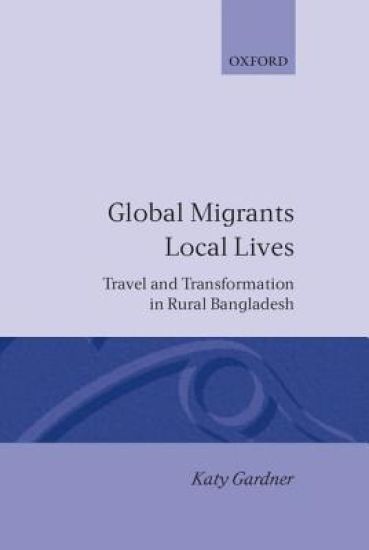
Global Migrants, Local Lives

Global Migrants, Local Lives

Katy Gardner

Clarendon Press
1995
sidottu
Long-term migration is one of the most important factors in the formation of cultural identities in the modern world. Immigrant communities are usually studied in the context of the country people have migrated to; Katy Gardner, however, looks at the neglected `sending' side of the equation. In the sending communities, out-migration has become a central economic and social resource - the route to social, as well as physical, mobility, transforming those who gain access to it. Dr Gardner examines the cultural context and effects of the long-term migration from Bangladesh to Britain and the Middle East, drawing on her fieldwork in the Sylhet district,an area of exceptional migration. Major aspects of Bangledeshi life such as land, family structure, marriage and religion - all of which have been affected by the heavy out-migration - are covered in detail, and the transformation of the social structure is mapped. In focusing on local ideology, this book shows how local cultural meanings are constantly negotiated and contested by different groups in the context of rapid economic change. At the heart of this important contribution to the anthropology of migration is a presentation of the dynamic nature of migration and the concomitant possibility of self-transformation it holds for migrant cultures.
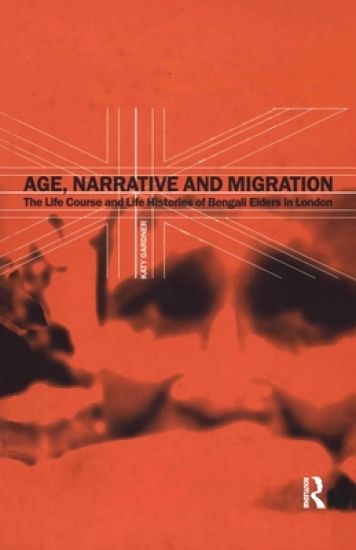
Age, Narrative and Migration

Age, Narrative and Migration

Katy Gardner

Routledge
2021
nidottu
Whilst the vast majority of recent research on identity and ethnicity amongst South Asians in Britain has focused upon younger people, this book deals with Bengali elders, the first generation of migrants from Sylhet, in Bangladesh. The book describes how many of these elders face the processes of ageing, sickness and finally death, in a country where they did not expect to stay and where they do not necessarily feel they belong. The ways in which they talk about and deal with this, and in particular, their ambivalence towards Britain and Bangladesh lies at the heart of the book. Centrally, the book is based around the men and womens life stories. In her analysis of these, Gardner shows how narratives play an important role in the formation of both collective and individual identity and are key domains for the articulation of gender and age. Underlying the stories that people tell, and sometimes hidden within their gaps and silences, are often other issues and concerns. Using particular idioms and narrative devices, the elders talk about the contradictions and disjunctions of transmigration, their relationship with and sometimes resistance to, the British State, and what they often present as the breakdown of traditional ways. In addition to this, the book shows that histories, stories and identity are not just narrated through words, but also through the body - an area rarely theorized in studies of migration.
Songs At the River's Edge

Songs At the River's Edge

Katy Gardner

Pluto Press
1997
pokkari
Katy Gardner’s account of her fifteen-month stay in the small Bangladeshi village of Talukpur has become a classic study of rural life in South Asia. Through a series of beautifully crafted narratives, the villagers and their stories are brought vividly to life and the author’s role as an outsider sensitively conveyed in her descriptions of the warm friendships she makes. Above all Songs at the River's Edge is written from a deep respect of Bangladesh and its country.
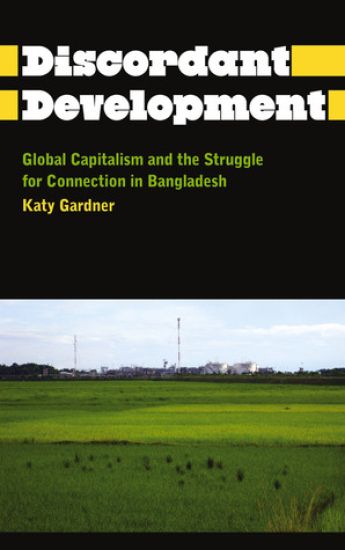
Discordant Development

Discordant Development

Katy Gardner

Pluto Press
2012
pokkari
What happened when Chevron, a multinational mining company, opened a gas plant right next to densely populated villages in rural Bangladesh? This book reveals contradictory ways that local people attempt to connect to, and are disconnected by, foreign capital. Commentators on the situation have different frameworks, whether of dispossession and scarcity, the success of Corporate Social Responsibility, or imperialist exploitation and corruption. Yet as Gardner argues, what really matters in the struggles over resources is which of these stories are heard, and the power of those who tell them. Based on the narratives of dispossessed land owners, urban activists, mining officials and the rural landless, Discordant Development shows the real picture behind the effect multinational capital has on indigenous communities.
Losing Gemma

Losing Gemma

Katy Gardner

Riverhead Books
2002
nidottu
This is the story of Gemma and me: how I lost her, I suppose. I don't usually tell it to anyone but myself;I save it for the darkest moments. Losing Gemma, Katy's Gardners debut novel about adventure, losing your best friend, and self-discovery, has been translates into twelve languages and compared to Alex Garland's breakthrough novel, The Beach, among many others. This time, the backpacking heroes are girls. What makes Losing Gemma truly unforgettable, is the read itself; it's an impossibly suspenseful novel that's as gripping as it is psychologically rich. Two young women have gone looking for adventure, backpacking through India--but only one returns. The other one believes it's all her fault. And the mystery behind what really happened during their fateful visit to a secluded shrine compels the reader forward to a page-turning conclusion that's shocking, strange, and haunting.
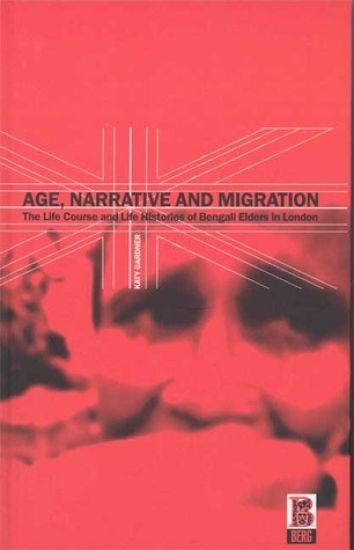
Age, Narrative and Migration

Age, Narrative and Migration

Katy Gardner

Berg Publishers
2002
sidottu
Whilst the vast majority of recent research on identity and ethnicity amongst South Asians in Britain has focused upon younger people, this book deals with Bengali elders, the first generation of migrants from Sylhet, in Bangladesh. The book describes how many of these elders face the processes of ageing, sickness and finally death, in a country where they did not expect to stay and where they do not necessarily feel they belong. The ways in which they talk about and deal with this, and in particular, their ambivalence towards Britain and Bangladesh lies at the heart of the book. Centrally, the book is based around the men and womens life stories. In her analysis of these, Gardner shows how narratives play an important role in the formation of both collective and individual identity and are key domains for the articulation of gender and age. Underlying the stories that people tell, and sometimes hidden within their gaps and silences, are often other issues and concerns. Using particular idioms and narrative devices, the elders talk about the contradictions and disjunctions of transmigration, their relationship with and sometimes resistance to, the British State, and what they often present as the breakdown of traditional ways. In addition to this, the book shows that histories, stories and identity are not just narrated through words, but also through the body - an area rarely theorized in studies of migration.