Kirjojen hintavertailu. Mukana 11 342 296 kirjaa ja 12 kauppaa.

Kirjahaku

Etsi kirjoja tekijän nimen, kirjan nimen tai ISBN:n perusteella.

7 kirjaa tekijältä Katy Shaw

Crunch Lit

Crunch Lit

Katy Shaw

Bloomsbury Academic
2015
sidottu
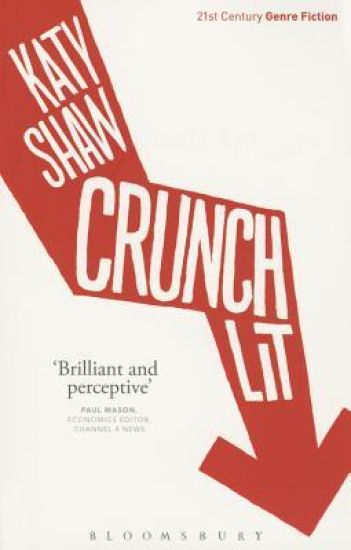
The financial crisis of 2008 quickly gave rise to a growing body of fiction: "crunch lit". Populated by a host of unsympathetic characters and centred around banking institutions, these 'recession writings' take the financial crisis as their central narrative concern to produce a new wave of literary and popular writings that satirise the origins and effects of modern life, consumer culture and the credit boom. Examining a range of texts from such writers as John Lanchester, Jonathan Franzen, Don DeLillo, Sebastian Faulks and Bret Easton Ellis, this book offers the first wide-ranging guide to this new genre. Exploring the key themes of the genre and its antecedents in fictional representations of finance by the likes of Dickens, Conrad, Zola and Trollope, Crunch Lit also includes a timeline of key historical events, guides to further and online resources and biographies of key authors. Supported by online resources, the book is an essential read for students of 21st century literature and culture.
Crunch Lit

Crunch Lit

Katy Shaw

Bloomsbury Academic
2015
nidottu
The financial crisis of 2008 quickly gave rise to a growing body of fiction: "Crunch Lit". These 'recession writings' take the financial crisis as their central narrative concern and explore its effects on consumer culture, gender roles and contemporary communities. Examining a range of texts including Sebastian Faulks' A Week in December, Adam Haslett's Union Atlantic, and John Lanchester's Capital, this book offers the first wide-ranging guide to these new millennial writings.
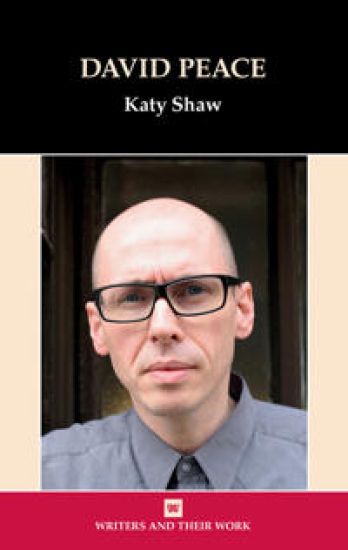
David Peace

David Peace

Katy Shaw

LIVERPOOL UNIVERSITY PRESS
2024
sidottu
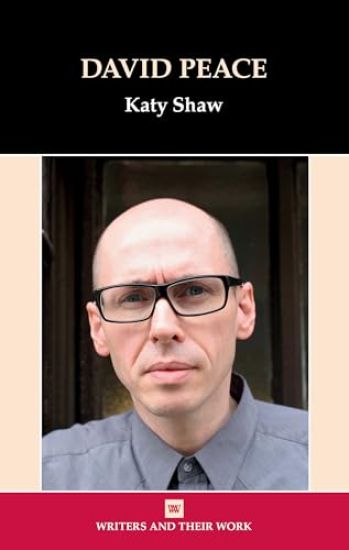
As a Northern Ballard and the father of ‘Yorkshire noir’, David Peace offers the twenty-first-century reader unique novelized histories of events we think we know well. This new study provides a comprehensive introduction to the author and an overview of the debates surrounding his work to date. Approaching Peace in the context of a British social realist tradition, Katy Shaw presents and examines a new chronology of his work, moving from the Ripper and the UK miners’ strike to Leeds United and twentieth-century Tokyo. Offering the first analysis of adaptations of Peace’s writings for the screen and stage, and featuring an exclusive interview with the author reflecting on two decades of writing, this book is a must-read for students, critics and fans alike.
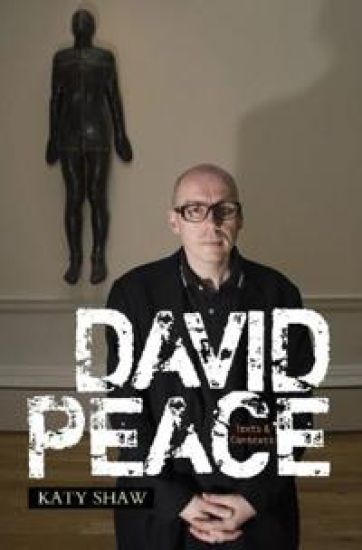
David Peace

David Peace

Katy Shaw

Sussex Academic Press
2018
nidottu
David Peace is an emerging author who is widely read and taught, and whose novels are increasingly translated into commercial film (The Damned United, March 2009) and television (Channel 4 adaptation of the Red Riding Quartet, March 2009). Dr Katy Shaw's book provides a challenging but accessible critical introduction to his work through a detailed analysis of his writing, as well as the socio-cultural contexts of its production and dissemination. The author explores Peace's attempts to capture the sensibilities of late twentieth century society and contributes to an ongoing debate in the media about Peace's representations. Influenced by critical theory, the text will be the first secondary resource concerning this rising star of contemporary British literature. While UK readers will seek insight into the socio-cultural contexts of England's regions (and in particular his writing on the Yorkshire Ripper and the 1985 -- 5 miners' strike), Peace also has a following in the US where both The Damned United and Red Riding are set to receive a national cinema release in 2009/10. This broad international appeal and readership will be explored and discussed, especially in the context of crime fiction and social engagement. This text is the first critical resource concerning this author and will cover the full body of Peace's writings to date, the debates this work has generated, and the often contentious representations offered by his novels.
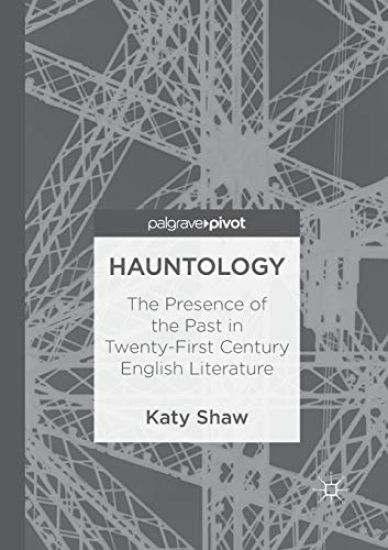
Hauntology

Hauntology

Katy Shaw

Springer Nature Switzerland AG
2018
nidottu
Post-millennial writings function as a useful prism through which we can understand contemporary English culture and its compulsion to revisit the immediate past. The critical practice of hauntology turns to the past in order to make sense of the present, to understand how we got to this place and how to build a better future. Since the Year 2000, popular culture has been inundated with representations of those who occupy a space between being and non-being and defy ontological criteria. This Pivot explores a range of contemporary English literatures - from the poetry of Simon Armitage and the drama of Jez Butterworth, to the fiction of Zadie Smith and the stories of David Peace - that collectively unite to represent a twenty-first century world full of specters, reminiscence and representations of spectral encounters. These specters become visible and significant as they interact with a range of social, political and economic discoursesthat continue to speak to the contemporary period. The enduring fascination with the spectral offers valuable insights into a contemporary English culture in which spectral manifestations signal towards larger social anxieties as well as to specific historical events and recurrent cultural preoccupations. The specter confronts the contemporary with the necessity of participation, encouraging the realisation that we must engage with it in order to create meaning. Narrative agency is the primary motivating force of its return, and the repetition of the specter functions to highlight new meanings and perspectives. Harnessing hauntology as a lens through which to consider the specters haunting twenty-first century English writings, this Pivot examines the emergence of a vein of hauntological literature that profiles the pervasive presence of the past in our new millennium.
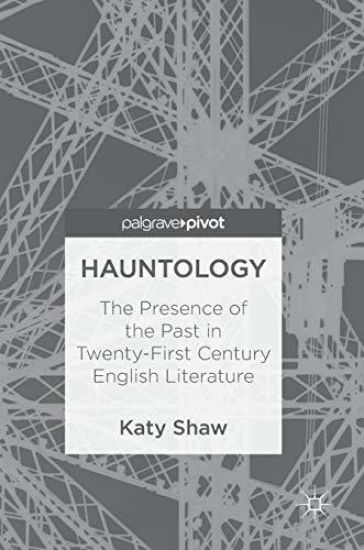
Hauntology

Hauntology

Katy Shaw

Springer International Publishing AG
2018
sidottu
Post-millennial writings function as a useful prism through which we can understand contemporary English culture and its compulsion to revisit the immediate past. The critical practice of hauntology turns to the past in order to make sense of the present, to understand how we got to this place and how to build a better future. Since the Year 2000, popular culture has been inundated with representations of those who occupy a space between being and non-being and defy ontological criteria. This Pivot explores a range of contemporary English literatures - from the poetry of Simon Armitage and the drama of Jez Butterworth, to the fiction of Zadie Smith and the stories of David Peace - that collectively unite to represent a twenty-first century world full of specters, reminiscence and representations of spectral encounters. These specters become visible and significant as they interact with a range of social, political and economic discoursesthat continue to speak to the contemporary period. The enduring fascination with the spectral offers valuable insights into a contemporary English culture in which spectral manifestations signal towards larger social anxieties as well as to specific historical events and recurrent cultural preoccupations. The specter confronts the contemporary with the necessity of participation, encouraging the realisation that we must engage with it in order to create meaning. Narrative agency is the primary motivating force of its return, and the repetition of the specter functions to highlight new meanings and perspectives. Harnessing hauntology as a lens through which to consider the specters haunting twenty-first century English writings, this Pivot examines the emergence of a vein of hauntological literature that profiles the pervasive presence of the past in our new millennium.
David Peace

David Peace

Katy Shaw

LIVERPOOL UNIVERSITY PRESS
2026
nidottu
As a Northern Ballard and the father of ‘Yorkshire noir’, David Peace offers the twenty-first-century reader unique novelized histories of events we think we know well. This new study provides a comprehensive introduction to the author and an overview of the debates surrounding his work to date. Approaching Peace in the context of a British social realist tradition, Katy Shaw presents and examines a new chronology of his work, moving from the Ripper and the UK miners’ strike to Leeds United and twentieth-century Tokyo. Offering the first analysis of adaptations of Peace’s writings for the screen and stage, and featuring an exclusive interview with the author reflecting on two decades of writing, this book is a must-read for students, critics and fans alike.