Kirjojen hintavertailu. Mukana 11 342 296 kirjaa ja 12 kauppaa.

Kirjahaku

Etsi kirjoja tekijän nimen, kirjan nimen tai ISBN:n perusteella.

12 kirjaa tekijältä Keith Beattie

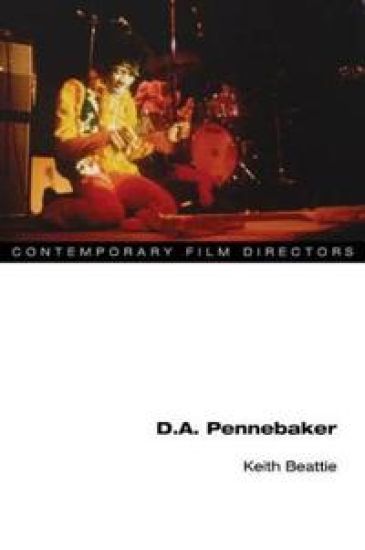
D.A. Pennebaker

D.A. Pennebaker

Keith Beattie

University of Illinois Press
2011
sidottu
This volume is the first book-length study of the extensive career and prolific works of D.A. Pennebaker, one of the pioneers of direct cinema, a documentary form that emphasizes observation and a straightforward portrayal of events. With a career spanning decades, Pennebaker's many projects have included avant-garde experiments (Daybreak Express), ground-breaking television documentaries (Primary), celebrity films (Dont Look Back), concert films (Monterey Pop), and innovative fusions of documentary and fiction (Maidstone). Exploring the concept of "performing the real," Keith Beattie interprets Pennebaker's films as performances in which the act of filming is in itself a performative transgression of the norms of purely observational documentary. He examines the ways in which Pennebaker's presentation of unscripted everyday performances is informed by connections between documentary filmmaking and other experimental movements such as the New American Cinema. Through his collaborations with such various artists as Richard Leacock, Shirley Clarke, Norman Mailer, and Jean-Luc Godard, Pennebaker has continually reworked and redefined the forms of documentary filmmaking. This book also includes a recent interview with the director and a full filmography.
D.A. Pennebaker

D.A. Pennebaker

Keith Beattie

University of Illinois Press
2011
nidottu
This volume is the first book-length study of the extensive career and prolific works of D.A. Pennebaker, one of the pioneers of direct cinema, a documentary form that emphasizes observation and a straightforward portrayal of events. With a career spanning decades, Pennebaker's many projects have included avant-garde experiments (Daybreak Express), ground-breaking television documentaries (Primary), celebrity films (Dont Look Back), concert films (Monterey Pop), and innovative fusions of documentary and fiction (Maidstone). Exploring the concept of "performing the real," Keith Beattie interprets Pennebaker's films as performances in which the act of filming is in itself a performative transgression of the norms of purely observational documentary. He examines the ways in which Pennebaker's presentation of unscripted everyday performances is informed by connections between documentary filmmaking and other experimental movements such as the New American Cinema. Through his collaborations with such various artists as Richard Leacock, Shirley Clarke, Norman Mailer, and Jean-Luc Godard, Pennebaker has continually reworked and redefined the forms of documentary filmmaking. This book also includes a recent interview with the director and a full filmography.
Documentary Screens

Documentary Screens

Keith Beattie

Red Globe Press
2004
sidottu
Documentary productions encompass remarkable representations of surprising realities. How do documentaries achieve their ends? What types of documentaries are there? What factors are implicated in their production? Such questions animate this engaging study. Documentary Screens is a comprehensive and critical study of the formal features and histories of central categories of documentary film and television. Among the categories examined are autobiographical, indigenous and ethnographic documentary, compilation films, direct cinema and cinema verite and television documentary journalism. The book also considers recent so-called popular factual entertainment and the future of documentary film, television and new media. This provocative and accessible analysis situates wide-ranging examples from each category within the larger material forces which impact on documentary form and content. The important connection between form, content and context explored in the book constitutes a new and lively 'documentary studies' approach to documentary representation.
Documentary Screens

Documentary Screens

Keith Beattie

Red Globe Press
2004
nidottu
Documentary productions encompass remarkable representations of surprising realities. How do documentaries achieve their ends? What types of documentaries are there? What factors are implicated in their production? Such questions animate this engaging study. Documentary Screens is a comprehensive and critical study of the formal features and histories of central categories of documentary film and television. Among the categories examined are autobiographical, indigenous and ethnographic documentary, compilation films, direct cinema and cinema verite and television documentary journalism. The book also considers recent so-called popular factual entertainment and the future of documentary film, television and new media. This provocative and accessible analysis situates wide-ranging examples from each category within the larger material forces which impact on documentary form and content. The important connection between form, content and context explored in the book constitutes a new and lively 'documentary studies' approach to documentary representation.
Humphrey Jennings

Humphrey Jennings

Keith Beattie

Manchester University Press
2010
sidottu
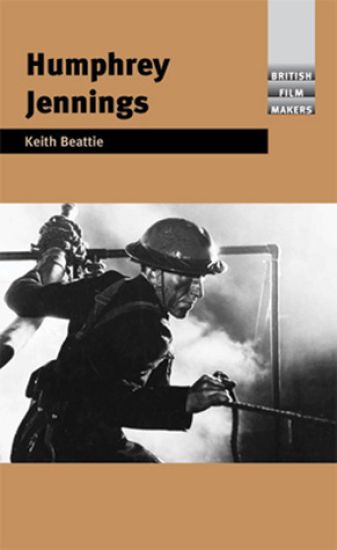
Humphrey Jennings has been described as the only real poet that British cinema has produced. His documentary films are remarkable records of Britain at peace and war, and his range of representational approaches transcended accepted notions of wartime propaganda and revised the strict codes of British documentary film of the 1930s and 1940s.Poet, propagandist, surrealist and documentary filmmaker – Jennings' work embodies an outstanding mix of startling apprehension, personal expression and representational innovation. This book carefully examines and expertly explains the central components of Jennings' most significant films, and considers the relevance of his filmmaking to British cinema and contemporary experience.Films analysed include Spare Time, Words for Battle, Listen to Britain, Fires Were Started, The Silent Village, A Diary for Timothy and Family Portrait.
The Scar That Binds

The Scar That Binds

Keith Beattie

New York University Press
1998
sidottu
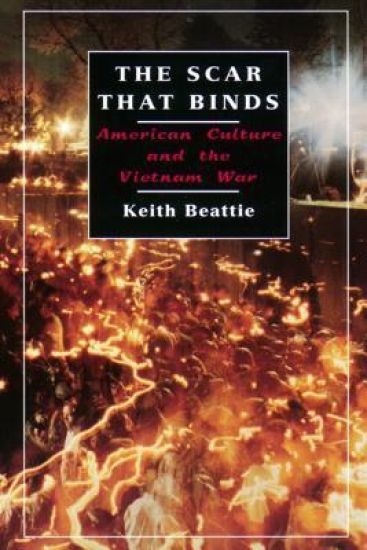
At the height of the Vietnam War, American society was so severely fragmented that it seemed that Americans may never again share common concerns. The media and other commentators represented the impact of the war through a variety of rhetorical devices, most notably the emotionally charged metaphor of "the wound that will not heal." References in various contexts to veterans' attempts to find a "voice," and to bring the war "home" were also common. Gradually, an assured and resilient American self-image and powerful impressions of cultural collectivity transformed the Vietnam war into a device for maintaining national unity. Today, the war is portrayed as a healed wound, the once "silenced" veteran has found a voice, and the American home has accommodated the effects of Vietnam. The scar has healed, binding Americans into a union that denies the divisions, diversities, and differences exposed by the war. In this way, America is now "over" Vietnam. In The Scar That Binds, Keith Beattie examines the central metaphors of the Vietnam war and their manifestations in American culture and life. Blending history and cultural criticism in a lucid style, this provocative book discusses an ideology of unity that has emerged through widespread rhetorical and cultural references to the war. A critique of this ideology reveals three dominant themes structured in a range of texts: the "wound," "the voice" of the Vietnam veteran, and "home." The analysis of each theme draws on a range of sources, including film, memoir, poetry, written and oral history, journalism, and political speeches. In contrast to studies concerned with representations of the war as a combat experience, The Scar That Binds opens and examines an unexplored critical space through a focus on the effects of the Vietnam War on American culture. The result is a highly original and compelling interpretation of the development of an ideology of unity in our culture.
The Scar That Binds

The Scar That Binds

Keith Beattie

New York University Press
2000
pokkari
At the height of the Vietnam War, American society was so severely fragmented that it seemed that Americans may never again share common concerns. The media and other commentators represented the impact of the war through a variety of rhetorical devices, most notably the emotionally charged metaphor of "the wound that will not heal." References in various contexts to veterans' attempts to find a "voice," and to bring the war "home" were also common. Gradually, an assured and resilient American self-image and powerful impressions of cultural collectivity transformed the Vietnam war into a device for maintaining national unity. Today, the war is portrayed as a healed wound, the once "silenced" veteran has found a voice, and the American home has accommodated the effects of Vietnam. The scar has healed, binding Americans into a union that denies the divisions, diversities, and differences exposed by the war. In this way, America is now "over" Vietnam. In The Scar That Binds, Keith Beattie examines the central metaphors of the Vietnam war and their manifestations in American culture and life. Blending history and cultural criticism in a lucid style, this provocative book discusses an ideology of unity that has emerged through widespread rhetorical and cultural references to the war. A critique of this ideology reveals three dominant themes structured in a range of texts: the "wound," "the voice" of the Vietnam veteran, and "home." The analysis of each theme draws on a range of sources, including film, memoir, poetry, written and oral history, journalism, and political speeches. In contrast to studies concerned with representations of the war as a combat experience, The Scar That Binds opens and examines an unexplored critical space through a focus on the effects of the Vietnam War on American culture. The result is a highly original and compelling interpretation of the development of an ideology of unity in our culture.
Dont Look Back

Dont Look Back

Keith Beattie

BFI Publishing
2016
nidottu
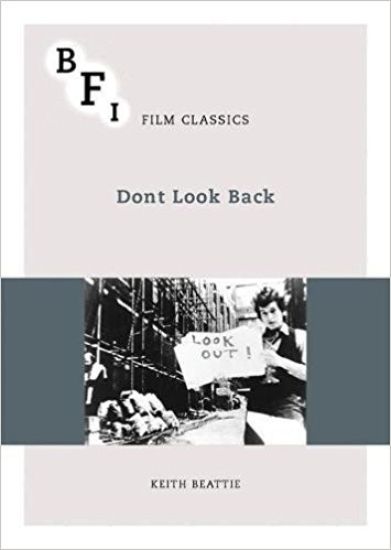
Dont Look Back, a documentary film of Bob Dylan's 1965 England tour, is recognised as a landmark work in the field of documentary film-making, contributing to the cultural life of an era. This text examines the aesthetic, thematic and social dynamics of the film in order to elucidate how and why it was a groundbreaking piece of documentary cinema.