Kirjojen hintavertailu. Mukana 11 627 220 kirjaa ja 12 kauppaa.

Kirjahaku

Etsi kirjoja tekijän nimen, kirjan nimen tai ISBN:n perusteella.

6 kirjaa tekijältä Keith Griffin

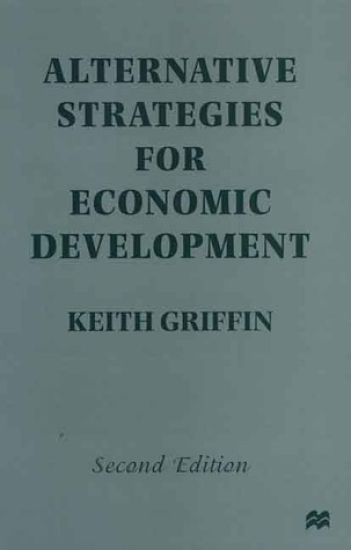
Alternative Strategies for Economic Development

Alternative Strategies for Economic Development

Keith Griffin

Palgrave Macmillan
1999
nidottu
The question of alternative strategies for economic development is the subject of great controversy and intense debate amongst practitioners and academics concerned with economic and social progress in the Third World. The core of this book is an analysis of the six most widely adopted strategies of development namely monetarism, the open economy, industrialisation, the green revolution or agriculture-led development, redistributive strategies of development and socialist strategies.
Alternative Strategies for Economic Development

Alternative Strategies for Economic Development

Keith Griffin

Palgrave Macmillan
1999
nidottu
The question of alternative strategies for economic development is the subject of great controversy and intense debate amongst practitioners and academics concerned with economic and social progress in the Third World. The core of this book is an analysis of the six most widely adopted strategies of development namely monetarism, the open economy, industrialisation, the green revolution or agriculture-led development, redistributive strategies of development and socialist strategies.
Studies in Development Strategy and Systemic Transformation
Studies in Development Strategy and Systemic Transformation examines many of the leading issues in economic development. In Part I, Professor Griffin analyses strategic visions: the role of culture in long-term economic growth; globalization and its implications for the territorial state and global governance; the human development strategy; and the effects of the distribution of productive assets on the pace of development. Part II is concerned with systemic transformation and macroeconomic reform. Alternative reform strategies are analysed for countries trying to effect a transition from centrally-planned to market-oriented economies. Shock therapy is severely criticized. An alternative approach to macroeconomic reform also is presented for sub-Saharan Africa, in which emphasis is placed on an investment-led strategy of structural development. A separate chapter is devoted to how an investment-led strategy could be financed with domestic resources alone. Part III contains three case studies of low-income transition economies, two of which are examples of success (Vietnam and China) and one an example of failure (Kazakhstan).