Kirjojen hintavertailu. Mukana 11 627 670 kirjaa ja 12 kauppaa.

Kirjahaku

Etsi kirjoja tekijän nimen, kirjan nimen tai ISBN:n perusteella.

9 kirjaa tekijältä Keith Laybourn

The Independent Labour Party, 1914-1939
Historians of political history are fascinated by the rise and fall of political parties and, for twentieth-century Britain, most obviously the rise of the Labour Party and the decline of the Liberal Party. What is often overlooked in this political development is the work of the Independent Labour Party (ILP), which was a formative influence in the growth of the political Labour movement and its leaders in the late nineteenth century and the early to mid-twentieth century. The ILP supplied the Labour Party with some of its leading political figures, such as Ramsay MacDonald, and moved the Labour Party along the road of parliamentary socialism. However, divided over the First World War and challenged by the Labour Party becoming socialist in 1918, it had to face the fact that it was no longer the major parliamentary socialist party in Britain.Although it recovered after the First World War, rising to between 37,000 and 55,000 members, it came into conflict with the Labour Party and two Labour governments over their gradualist approach to socialism. This eventually led to its disaffiliation from the Labour Party in 1932 and its subsequent fragmentation into pro-Labour, pro-communist and independent groups. Its new revolutionary policy divided its members, as did the Abyssinian crisis, the Spanish Civil War and the Moscow Show Trials. By the end of the 1930s, seeking to re-affiliate to the Labour Party, it had been reduced to 2,000 to 3,000 members, was a sect rather than a party and had earned Hugh Dalton’s description that it was the ‘ILP flea’.In the following monograph, Keith Laybourn analyses the dynamic shifts in this history across 25 years. This scholarship will prove foundational for scholars and researchers of modern British history and socialist thought in the twentieth century.
The Football Pools and the British Working Class

The Football Pools and the British Working Class

Keith Laybourn

TAYLOR FRANCIS LTD
2022
sidottu
This book is the first national study of the football pools in Britain which examines the politics and culture of the gambling on the football pools. It charts the rise of the football pools, focusing upon its rapid growth from the 1920s and its prolonged decline in British culture from the 1990s, partly as a result of the National Lottery. The book explores how this new gambling activity became a significant leisure opportunity for the working class - a way to feel that the individual skill of the punter could lead to the winning of some life-changing jackpot cheque being presented by a sporting personality of celebrity. Dominated by Littlewoods, and other large commercial companies, the weekly filling-in of the coupons was considered to be a safe form of investment, guaranteed by the integrity of the pool companies, rather than some seedy gambling operation.The Football Pools and the British Working Class looks at different elements of the football pools from what attracted people to this form of gambling to how the industry developed and adjusted to the suspension of the football fixtures in 1936, and the bad winter of 1962-3. Above all, it examines the deep hostility that surrounded the filling in of the football pools arising from the National Anti-Gambling League, religious groups, the football authorities and MPs. This book will appeal to all those interested in the history of British football and 20th century British working class culture.
The Football Pools and the British Working Class

The Football Pools and the British Working Class

Keith Laybourn

TAYLOR FRANCIS LTD
2024
nidottu
This book is the first national study of the football pools in Britain which examines the politics and culture of the gambling on the football pools. It charts the rise of the football pools, focusing upon its rapid growth from the 1920s and its prolonged decline in British culture from the 1990s, partly as a result of the National Lottery. The book explores how this new gambling activity became a significant leisure opportunity for the working class - a way to feel that the individual skill of the punter could lead to the winning of some life-changing jackpot cheque being presented by a sporting personality of celebrity. Dominated by Littlewoods, and other large commercial companies, the weekly filling-in of the coupons was considered to be a safe form of investment, guaranteed by the integrity of the pool companies, rather than some seedy gambling operation.The Football Pools and the British Working Class looks at different elements of the football pools from what attracted people to this form of gambling to how the industry developed and adjusted to the suspension of the football fixtures in 1936, and the bad winter of 1962-3. Above all, it examines the deep hostility that surrounded the filling in of the football pools arising from the National Anti-Gambling League, religious groups, the football authorities and MPs. This book will appeal to all those interested in the history of British football and 20th century British working class culture.
Marxism in Britain

Marxism in Britain

Keith Laybourn

Routledge
2005
sidottu
Since the Second World War, Marxism in Britain has declined almost to the point of oblivion. The Communist Party of Great Britain had more than 50,000 members in the early 1940s, but less than 5,000 when it disbanded in 1991. Dissenting and Trotskyist organisations experienced a very similar decline, although there has been a late flowering of Marxism in Scotland.Based on the Communist Party archives at Manchester, this text examines the decline over the last sixty years. Dealing with the impact of the Cold War upon British Marxism, the book looks at how international events such as the Soviet invasions of Hungary and Czechslovakia affected the Communist Party of Great Britain. The issues of Marxism and Britain’s withdrawal from the Empire are also addressed, as are the Marxist influence upon British industrial relations and its involvement in the feminist movement. Focusing on the current debate in British Marxist history over the influence of Moscow and Stalinism on the Communist Party, Keith Laybourn explores the ways in which this issue, which divides historians, undermined Marxism in Britain.
Marxism in Britain

Marxism in Britain

Keith Laybourn

Routledge
2015
nidottu
Since the Second World War, Marxism in Britain has declined almost to the point of oblivion. The Communist Party of Great Britain had more than 50,000 members in the early 1940s, but less than 5,000 when it disbanded in 1991. Dissenting and Trotskyist organisations experienced a very similar decline, although there has been a late flowering of Marxism in Scotland.Based on the Communist Party archives at Manchester, this text examines the decline over the last sixty years. Dealing with the impact of the Cold War upon British Marxism, the book looks at how international events such as the Soviet invasions of Hungary and Czechslovakia affected the Communist Party of Great Britain. The issues of Marxism and Britain’s withdrawal from the Empire are also addressed, as are the Marxist influence upon British industrial relations and its involvement in the feminist movement. Focusing on the current debate in British Marxist history over the influence of Moscow and Stalinism on the Communist Party, Keith Laybourn explores the ways in which this issue, which divides historians, undermined Marxism in Britain.
The Independent Labour Party, 1914-1939
Historians of political history are fascinated by the rise and fall of political parties and, for twentieth-century Britain, most obviously the rise of the Labour Party and the decline of the Liberal Party. What is often overlooked in this political development is the work of the Independent Labour Party (ILP), which was a formative influence in the growth of the political Labour movement and its leaders in the late nineteenth century and the early to mid-twentieth century. The ILP supplied the Labour Party with some of its leading political figures, such as Ramsay MacDonald, and moved the Labour Party along the road of parliamentary socialism. However, divided over the First World War and challenged by the Labour Party becoming socialist in 1918, it had to face the fact that it was no longer the major parliamentary socialist party in Britain.Although it recovered after the First World War, rising to between 37,000 and 55,000 members, it came into conflict with the Labour Party and two Labour governments over their gradualist approach to socialism. This eventually led to its disaffiliation from the Labour Party in 1932 and its subsequent fragmentation into pro-Labour, pro-communist and independent groups. Its new revolutionary policy divided its members, as did the Abyssinian crisis, the Spanish Civil War and the Moscow Show Trials. By the end of the 1930s, seeking to re-affiliate to the Labour Party, it had been reduced to 2,000 to 3,000 members, was a sect rather than a party and had earned Hugh Dalton’s description that it was the ‘ILP flea’.In the following monograph, Keith Laybourn analyses the dynamic shifts in this history across 25 years. This scholarship will prove foundational for scholars and researchers of modern British history and socialist thought in the twentieth century.
Going to the Dogs

Going to the Dogs

Keith Laybourn

Manchester University Press
2019
sidottu
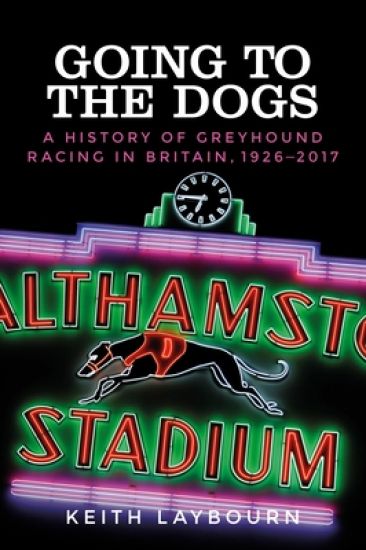
Greyhound racing emerged rapidly in Britain in 1926 but in its early years was subject to rabid institutional middle-class opposition largely because of the legal gambling opportunities it offered to the working class. Though condemned as a dissipate and impoverishing activity, it was, in fact, a significant leisure opportunity for the working class, which cost little for the minority of bettors involved in what was clearly little more than a ‘bit of the flutter’, This book is the first national study of greyhound racing in Britain from its beginnings, to its heyday in the 1930s and 1940s, and up its long slow decline of the late twentieth century. Much of the study will be defined by the dominating issue of working-class gambling and the bitter opposition to both it and greyhound racing, although the attractions of this ‘American Night Out’ will also be examined.
British Political Leaders

British Political Leaders

Keith Laybourn

ABC-CLIO
2001
sidottu
This A–Z biographical dictionary profiles Britain's prime ministers, foreign secretaries, home secretaries, and Chancellors of the Exchequer, from 1730 through the present—all in clear, concise language.These leaders guided the nation through the loss of empire, through two devastating world wars, and into a new role as members of the European Union. In clear, accessible language, this new dictionary shows how in the 18th century, and to a lesser extent in the 19th century, many of Britain's top leaders were linked more closely by family and factional interests than by party. It also illustrates—and helps to explain—the rise of the Labour Party and the emergence of "New Labour."Detailed biographical essays on 198 top British leaders, from William Pitt to Tony Blair48 photographs, portraits, and cartoons including many political cartoons from World War IIChronological list of leaders by cabinet office—prime ministers, chancellors of the exchequer, foreign secretaries, and home secretariesAn extensive bibliography and index
The General Strike Day by Day

The General Strike Day by Day

Keith Laybourn

THE HISTORY PRESS LTD
2026
pokkari
The General Strike of 1926 was the most important industrial dispute in British history. Almost 1,750,000 came out in support of about a million miners who had been locked out for rejecting reductions in pay and conditions. For nine days, from 3-12 May, Britain ground almost to a halt. A few trains and buses ran, but only when driven by volunteers from the anti-strike middle and upper classes. Food supplies needed, in many cases, to be protected by armed police and military units. This text examines the main debates about the causes, events and consequences of the strike. Using diaries and original documents and illustrations to show the changing attitude of the Government, the TUC, the employers, the Labour Party, the Liberals and the Communist Party of Great Britain, the author provides a vivid account of events before, during and after the "nine days in May".