Kirjojen hintavertailu. Mukana 11 627 670 kirjaa ja 12 kauppaa.

Kirjahaku

Etsi kirjoja tekijän nimen, kirjan nimen tai ISBN:n perusteella.

7 kirjaa tekijältä Kelli Fuery

Wilfred Bion, Thinking, and Emotional Experience with Moving Images
Wilfred Bion’s theories of dreaming, of the analytic situation, of reality and everyday life, and even of the contact between the body and the mind offer very different, and highly fruitful, perspectives on lived experience. Yet very little of his work has entered the field of visual culture, especially film and media studies. Kelli Fuery offers an engaging overview of Bion’s most significant contribution to psychoanalysis- his theory of thinking- and demonstrates its relevance for why we watch moving images.Bion’s theory of thinking is presented as an alternative model for the examination of how we experience moving images and how they work as tools which we use to help us ‘think’ emotional experience. ‘Being Embedded’ is a term used to identify and acknowledge the link between thinking and emotional experience within the lived reception of cinema. It is a concept that everyone can speak to as already knowing, already having felt it - being embedded is at the core of lived and thinking experience. This book offers a return to psychoanalytic theory within moving image studies, contributing to the recent works that have explored object relations psychoanalysis within visual culture (specifically the writings of Klein and Winnicott), but differs in its reference and examination of previously overlooked, but highly pivotal, thinkers such as Bion, Bollas and Ogden. A theorization of thinking as an affective structure within moving image experience provides a fresh avenue for psychoanalytic theory within visual culture.Wilfred Bion, Thinking, and Emotional Experience with Moving Images will appeal to psychoanalysts and psychoanalytic psychotherapists, as well as scholars and students of film and media studies, cultural studies and cultural sociology and anthropology, visual culture, media theory, philosophy, and psychosocial studies.
Wilfred Bion, Thinking, and Emotional Experience with Moving Images
Wilfred Bion’s theories of dreaming, of the analytic situation, of reality and everyday life, and even of the contact between the body and the mind offer very different, and highly fruitful, perspectives on lived experience. Yet very little of his work has entered the field of visual culture, especially film and media studies. Kelli Fuery offers an engaging overview of Bion’s most significant contribution to psychoanalysis- his theory of thinking- and demonstrates its relevance for why we watch moving images.Bion’s theory of thinking is presented as an alternative model for the examination of how we experience moving images and how they work as tools which we use to help us ‘think’ emotional experience. ‘Being Embedded’ is a term used to identify and acknowledge the link between thinking and emotional experience within the lived reception of cinema. It is a concept that everyone can speak to as already knowing, already having felt it - being embedded is at the core of lived and thinking experience. This book offers a return to psychoanalytic theory within moving image studies, contributing to the recent works that have explored object relations psychoanalysis within visual culture (specifically the writings of Klein and Winnicott), but differs in its reference and examination of previously overlooked, but highly pivotal, thinkers such as Bion, Bollas and Ogden. A theorization of thinking as an affective structure within moving image experience provides a fresh avenue for psychoanalytic theory within visual culture.Wilfred Bion, Thinking, and Emotional Experience with Moving Images will appeal to psychoanalysts and psychoanalytic psychotherapists, as well as scholars and students of film and media studies, cultural studies and cultural sociology and anthropology, visual culture, media theory, philosophy, and psychosocial studies.

Ambiguous Cinema

Ambiguous Cinema

Kelli Fuery

EDINBURGH UNIVERSITY PRESS
2022
sidottu
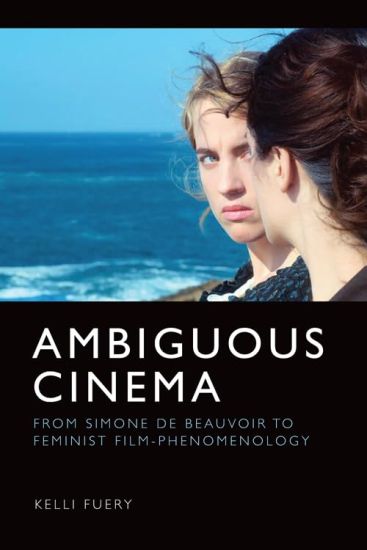
Simone de Beauvoir's notion of ambiguity became a cornerstone of her philosophy and influenced a radical rethinking of freedom well into the twenty-first century. In Ambiguous Cinema, Fuery examines Beauvoir's notion of ambiguity in relation to film experience, exploring both the legacies and limits of her existentialist ethics through a range of films by independent women filmmakers, including Joanna Hogg, Liliana Cavani, Debra Granik, Cheryl Dunye, Claire Denis, Lucrecia Martel, Lynne Ramsay and Celine Sciamma. In doing so, Fuery deftly demonstrates the currency and relevancy of Beauvoir's ideas to contemporary debates in film-philosophy and feminist thought by examining how these women filmmakers navigate turbulent themes such as moral choice, power, adolescence, love, trauma and motherhood. Reimagining Beauvoir's idea of ambiguity within the context of film studies, Fuery asks that we confront and embrace difficult emotional situations so that we might realise an authentic, if indeterminate, freedom through our cinematic experiences.
Ambiguous Cinema

Ambiguous Cinema

Kelli Fuery

EDINBURGH UNIVERSITY PRESS
2024
nidottu
Simone de Beauvoir's notion of ambiguity became a cornerstone of her philosophy and influenced a radical rethinking of freedom well into the twenty-first century. In Ambiguous Cinema, Fuery examines Beauvoir's notion of ambiguity in relation to film experience, exploring both the legacies and limits of her existentialist ethics through a range of films by independent women filmmakers, including Joanna Hogg, Liliana Cavani, Debra Granik, Cheryl Dunye, Claire Denis, Lucrecia Martel, Lynne Ramsay and Celine Sciamma. In doing so, Fuery deftly demonstrates the currency and relevancy of Beauvoir's ideas to contemporary debates in film-philosophy and feminist thought by examining how these women filmmakers navigate turbulent themes such as moral choice, power, adolescence, love, trauma and motherhood. Reimagining Beauvoir's idea of ambiguity within the context of film studies, Fuery asks that we confront and embrace difficult emotional situations so that we might realise an authentic, if indeterminate, freedom through our cinematic experiences.
New Media

New Media

Kelli Fuery

Red Globe Press
2008
sidottu
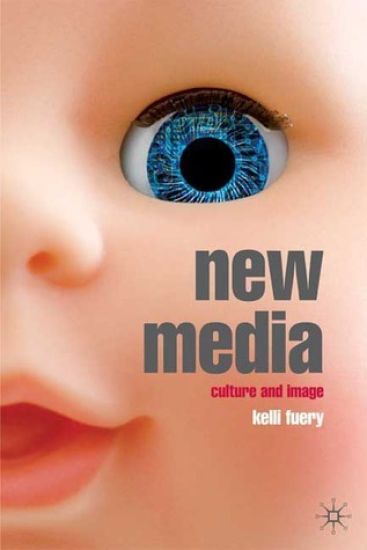
New media is becoming integral to our lives. But for how long can we refer to emerging media as new in this fast-moving digital age? What makes it 'new'? And what problems do interactive media create for us, as cultural beings? This book investigates the culture and context of new media. Exploring and critiquing debates drawn from media and cultural theory, Fuery clearly explores and defines the concepts of new media and interactivity. With a clear and structured approach, the book questions existing ideas about digital culture and explains the problems that emerging technologies can present to our culture, from issues of surveillance and power to the digitalisation of the body.In particular, the book includes:• a variety of perspectives and approaches to the idea of the 'new'• consideration and evaluation of work from key media theorists, from Foucault to Bourdieu• relevant and innovative examples that bring the complexities of new media to life• a glossary for quick reference and explanation of complex concepts New Media: Culture and Image interrogates the key concepts, models and approaches surrounding the formation and evolution of new media. It will encourage all students of Cultural Studies and Media Studies to question and reconsider their ideas about media and cultural theory.
New Media

New Media

Kelli Fuery

Red Globe Press
2008
nidottu
New media is becoming integral to our lives. But for how long can we refer to emerging media as new in this fast-moving digital age? What makes it 'new'? And what problems do interactive media create for us, as cultural beings? This book investigates the culture and context of new media. Exploring and critiquing debates drawn from media and cultural theory, Fuery clearly explores and defines the concepts of new media and interactivity. With a clear and structured approach, the book questions existing ideas about digital culture and explains the problems that emerging technologies can present to our culture, from issues of surveillance and power to the digitalisation of the body.In particular, the book includes:• a variety of perspectives and approaches to the idea of the 'new'• consideration and evaluation of work from key media theorists, from Foucault to Bourdieu• relevant and innovative examples that bring the complexities of new media to life• a glossary for quick reference and explanation of complex concepts New Media: Culture and Image interrogates the key concepts, models and approaches surrounding the formation and evolution of new media. It will encourage all students of Cultural Studies and Media Studies to question and reconsider their ideas about media and cultural theory.