A penetrating critique of the Enlightenment assumption of evidentialism-that belief in God requires the support of evidence or arguments to be rational. Garnering arguments from C. S. Lewis, Alvin Plantinga, Nicholas Wolterstorff, Thomas Reid, William James, and John Calvin, Clark asserts that this Enlightenment demand for evidence is itself both irrelevant and irrational.
Doubt and death, God and self, happiness or insignificance, guilt or grace! These fundamental human concerns are deeply intertwined and connect with our heart's deepest longings. They are difficult to understand, yet deeply felt. "When Faith Is Not Enough" is a creative, honest, and original discussion of faith and doubt and the search for human significance. Drawing upon personal experience, literature, psychology, philosophy, and Scripture, philosopher Kelly Clark tackles the difficult question of how we can live with doubt and how we can nurture a faith and develop a self of enduring value. In section one, "The Shadow of a Doubt," Clark takes doubt (and doubters) seriously and sets out to help the reader understand faith in a deeper way. He presents a powerful case for the existence of God, offers hope for understanding the problem of God and human suffering, suggests positive ways for dealing with doubt, and affirms the excitement of embracing the adventure of life. Section two, "Searching for My Self," is a reflection on the meaning of life. We want our lives to count, but we feel insignificant. We desire fame and honor, but we feel forgotten and ignored.Wishing for significant human relationships, we often feel alienated and unable to communicate. And wanting to live worthy lives, we feel shame. Clark probes into these conflicting emotions and addresses how God can unite the disparate elements of our lives into a meaningful and enduring self.
Does cognitive science show that religious belief is irrational?Kelly James Clark brings together science and philosophy to examine some of humanity's more pressing questions. Is belief in God, as Richard Dawkins claims, a delusion? Are atheists smarter or more rational than religious believers? Do our genes determine who we are and what we believe? Can our very creaturely cognitive equipment help us discover truth and meaning in life? Are atheists any different from Mother Teresa? Clark's surprising answers both defend the rationality of religious belief and contribute to the study of cognitive science.God and the Brain explores complicated questions about the nature of belief and the human mind.Scientifically minded, philosophically astute, and reader-friendly, God and the Brain provides an accessible overview of some new cognitive scientific approaches to the study of religion and evaluates their implications for both theistic and atheistic belief.
Religious believers are often commanded to love like God. On classical accounts, God seems a poor model for human beings: an immutable and impassable being seems incapable of the kind of episodic emotion (sympathy, empathy) that seems required for the best sorts of human love. Models more conducive to human love, on the other hand, are often rejected because they seem to limit God's power and glory. This Element looks first at God and then divine love within the Abrahamic traditions—Islam, Christianity and Judaism. It will then turn to love and the problem of hell, which is argued as primarily a problem for Christians. The author discusses the kind of love each tradition asks of humans and wonders, given recent work in the relevant cognitive and social sciences, if such love is even humanly possible. This title is also available as Open Access on Cambridge Core.
Religious believers are often commanded to love like God. On classical accounts, God seems a poor model for human beings: an immutable and impassable being seems incapable of the kind of episodic emotion (sympathy, empathy) that seems required for the best sorts of human love. Models more conducive to human love, on the other hand, are often rejected because they seem to limit God's power and glory. This Element looks first at God and then divine love within the Abrahamic traditions—Islam, Christianity and Judaism. It will then turn to love and the problem of hell, which is argued as primarily a problem for Christians. The author discusses the kind of love each tradition asks of humans and wonders, given recent work in the relevant cognitive and social sciences, if such love is even humanly possible. This title is also available as Open Access on Cambridge Core.
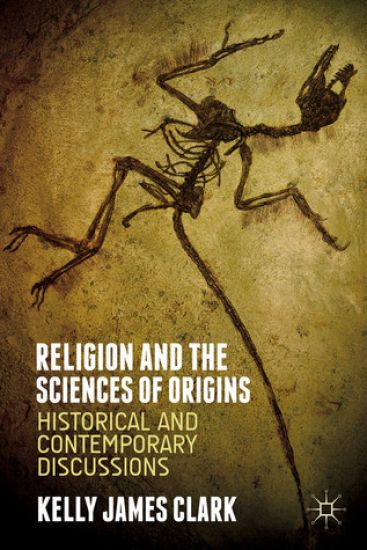
This concise introduction to science and religion focuses on Christianity and modern Western science (the epicenter of issues in science and religion in the West) with a concluding chapter on Muslim and Jewish Science and Religion. This book also invites the reader into the relevant literature with ample quotations from original texts.
This concise introduction to science and religion focuses on Christianity and modern Western science (the epicenter of issues in science and religion in the West) with a concluding chapter on Muslim and Jewish Science and Religion. This book also invites the reader into the relevant literature with ample quotations from original texts.