Kirjojen hintavertailu. Mukana 12 016 292 kirjaa ja 12 kauppaa.

Kirjahaku

Etsi kirjoja tekijän nimen, kirjan nimen tai ISBN:n perusteella.

3 kirjaa tekijältä Ken Cole

Economy-Environment-Development-Knowledge
As we approach the end of the second millennium, we find ourselves in times of radical social change. Orthodox explanations of the economy, the environment and the development process are unable to provide coherent policies for such issues as employment creation, environmental degradation and social progress.Economy-Environment-Development-Knowledge provides alternative perspectives on these fundamental aspects of human existence. Economists, environmentalists, and development theorists have so far been unable to agree on the most successful prescriptions to address problems. To understand, contrast and compare alternative understandings of economic, environmental and development issues, we need to be aware why theorists conceptualise the process of social experience so differently.Part 1 of Economy-Environment-Development-Knowledge addresses the subjective preference, cost-of-production and abstract labour theories of values in economics; Part 2 explains egocentrism, ecocentrism and socioecocentrism as competing theoretical perspectives in environmental theory; Part 3 highlights modernisation theory, structuralist theory and class struggle as ways to account for the process of development and Part 4 examines the generation of knowedge through positivism, paradigms and praxis, legitimating competing perspectives in economics, environmentalist and development. The book concludes by considering why different people find alternative explanations more or less plausible.By addressing the disagreements between theorists, Economy-Environment-Development-Knowledge provides a unique basis to contrast and compare the plethora of theories of, and policies for, economic prosperity, environmental sustainability and social progress.
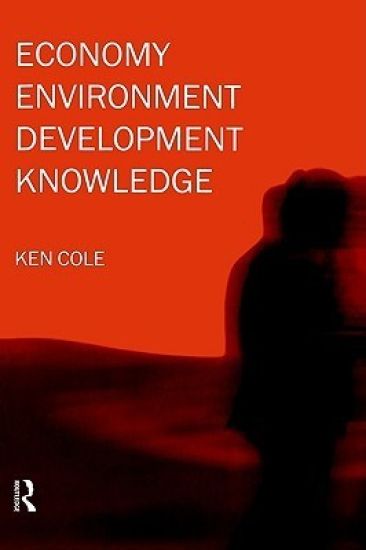
Economy-Environment-Development-Knowledge
As we approach the end of the second millennium, we find ourselves in times of radical social change. Orthodox explanations of the economy, the environment and the development process are unable to provide coherent policies for such issues as employment creation, environmental degradation and social progress.Economy-Environment-Development-Knowledge provides alternative perspectives on these fundamental aspects of human existence. Economists, environmentalists, and development theorists have so far been unable to agree on the most successful prescriptions to address problems. To understand, contrast and compare alternative understandings of economic, environmental and development issues, we need to be aware why theorists conceptualise the process of social experience so differently.Part 1 of Economy-Environment-Development-Knowledge addresses the subjective preference, cost-of-production and abstract labour theories of values in economics; Part 2 explains egocentrism, ecocentrism and socioecocentrism as competing theoretical perspectives in environmental theory; Part 3 highlights modernisation theory, structuralist theory and class struggle as ways to account for the process of development and Part 4 examines the generation of knowedge through positivism, paradigms and praxis, legitimating competing perspectives in economics, environmentalist and development. The book concludes by considering why different people find alternative explanations more or less plausible.By addressing the disagreements between theorists, Economy-Environment-Development-Knowledge provides a unique basis to contrast and compare the plethora of theories of, and policies for, economic prosperity, environmental sustainability and social progress.
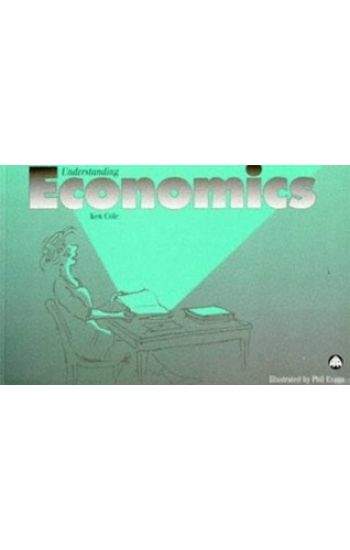
Understanding Economics

Understanding Economics

Ken Cole

Pluto Press
1995
pokkari
Economic theory is always controversial. Policy proposals to manage, organise or regulate economic activity invariably advantage some people to the detriment of others. To be 'economically literate' is to be able to compare alternative policy prescriptions to make explicit the theoretical logic which justifies such differential advantage. Understanding Economics is unique in analysing a comprehensive spectrum of economic theory, highlighting the ideological and political dimension which gives theoretical interpretations relevance and significance. The original style and format allows the reader to readily identify significant theoretical differences, allowing alternative understandings to be compared and contrasted.