Kirjojen hintavertailu. Mukana 11 244 527 kirjaa ja 12 kauppaa.

Kirjahaku

Etsi kirjoja tekijän nimen, kirjan nimen tai ISBN:n perusteella.

7 kirjaa tekijältä Kenneth Douglas

Bioprinting

Bioprinting

Kenneth Douglas

Oxford University Press Inc
2021
sidottu
Of the 121,000 people on donor lists in the U.S., over 100,000 need kidney transplants and thousands die each year while waiting. Bioprinting aspires to build healthy kidney tissue from a patient's own cells and transplant this to boost failing kidneys without fear of rejection... As the 21st century dawned, a handful of inspired scientists tried to use 3D printing to create living human tissue. Their vision was to restore the health of people with intractable injuries, such as worn out cartilage, severed nerves, ailing kidneys, failing hearts—the gamut of human frailties. Their modest success energized others to join the quest. Now, after two decades of ingenious effort and hard work, they have carved out a vibrant new discipline: bioprinting. In Bioprinting: To Make Ourselves Anew, physicist Kenneth Douglas casts an eye over the achievements and future of bioprinting. He explains the science with rigor but with a minimum of technical baggage. This is the first book on the subject written expressly for the lay audience: accessible and even entertaining. Douglas interviewed two dozen bioprinting researchers from around the world, and he enriches the narrative by sharing stories from the scientists behind the science. These contemporary vignettes are complemented by historical accounts of the women and men whose prescient contributions were foundational to the development of bioprinting. The book describes the challenges and accomplishments in the bioprinting of blood vessels, cartilage, skin, bone, skeletal muscle, neuromuscular junctions, liver, heart, lung, kidney, and so-called organs-on-a-chip, as well as the challenges of providing a blood supply and nerves to bioprinted tissues. This is a compelling tale of a work in progress: to imitate nature and help heal people with debilitating afflictions.
DNA Nanoscience

DNA Nanoscience

Kenneth Douglas

CRC Press
2017
sidottu
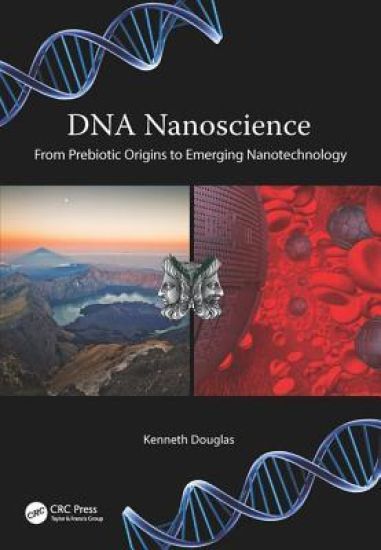
DNA Nanoscience: From Prebiotic Origins to Emerging Nanotechnology melds two tales of DNA. One is a look at the first 35 years of DNA nanotechnology to better appreciate what lies ahead in this emerging field. The other story looks back 4 billion years to the possible origins of DNA which are shrouded in mystery. The book is divided into three parts comprised of 15 chapters and two Brief Interludes. Part I includes subjects underpinning the book such as a primer on DNA, the broader discipline of nanoscience, and experimental tools used by the principals in the narrative. Part II examines the field of structural DNA nanotechnology, founded by biochemist/crystallographer Nadrian Seeman, that uses DNA as a construction material for nanoscale structures and devices, rather than as a genetic material. Part III looks at the work of physicists Noel Clark and Tommaso Bellini who found that short DNA (nanoDNA) forms liquid crystals that act as a structural gatekeeper, orchestrating a series of self-assembly processes using nanoDNA. This led to an explanation of the polymeric structure of DNA and of how life may have emerged from the prebiotic clutter.
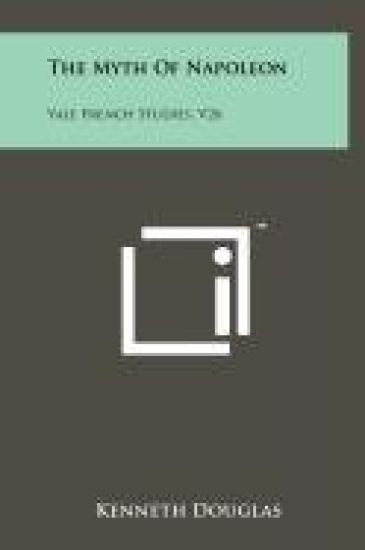
The Myth of Napoleon: Yale French Studies, V26

The Myth of Napoleon: Yale French Studies, V26

Kenneth Douglas

Literary Licensing, LLC
2011
sidottu
The Myth of Napoleon is a book that explores the various myths and legends surrounding the life and legacy of the famous French military leader, Napoleon Bonaparte. Written by Kenneth Douglas and published as part of the Yale French Studies series, this book delves into the many different ways that Napoleon has been remembered and mythologized over the years, from his rise to power during the French Revolution to his eventual downfall and exile on the island of Saint Helena.Drawing on a wide range of historical and literary sources, Douglas examines the different myths and narratives that have been constructed around Napoleon, including his reputation as a military genius, his role in shaping modern France, and his impact on European politics and culture. He also explores the ways that Napoleon has been portrayed in literature, art, and popular culture, from classic novels like War and Peace to modern films like The Emperor's New Clothes.Throughout the book, Douglas challenges many of the common assumptions and beliefs about Napoleon, arguing that many of the myths surrounding him are based more on legend than on fact. He also offers a nuanced and complex portrait of Napoleon as a complex and multifaceted historical figure, rather than a simple hero or villain.Overall, The Myth of Napoleon is a fascinating and thought-provoking exploration of one of history's most famous and controversial figures, offering readers a new perspective on the man behind the legend.Contributing Authors Include Edgar Munhall, Henri Peyre, Albert Sonnenfeld, And Others.This scarce antiquarian book is a facsimile reprint of the old original and may contain some imperfections such as library marks and notations. Because we believe this work is culturally important, we have made it available as part of our commitment for protecting, preserving, and promoting the world's literature in affordable, high quality, modern editions, that are true to their original work.
DNA Nanoscience

DNA Nanoscience

Kenneth Douglas

Productivity Press
2016
nidottu
DNA Nanoscience: From Prebiotic Origins to Emerging Nanotechnology melds two tales of DNA. One is a look at the first 35 years of DNA nanotechnology to better appreciate what lies ahead in this emerging field. The other story looks back 4 billion years to the possible origins of DNA which are shrouded in mystery. The book is divided into three parts comprised of 15 chapters and two Brief Interludes.Part I includes subjects underpinning the book such as a primer on DNA, the broader discipline of nanoscience, and experimental tools used by the principals in the narrative. Part II examines the field of structural DNA nanotechnology, founded by biochemist/crystallographer Nadrian Seeman, that uses DNA as a construction material for nanoscale structures and devices, rather than as a genetic material. Part III looks at the work of physicists Noel Clark and Tommaso Bellini who found that short DNA (nanoDNA) forms liquid crystals that act as a structural gatekeeper, orchestrating a series of self-assembly processes using nanoDNA. This led to an explanation of the polymeric structure of DNA and of how life may have emerged from the prebiotic clutter.