Kirjojen hintavertailu. Mukana 11 627 220 kirjaa ja 12 kauppaa.

Kirjahaku

Etsi kirjoja tekijän nimen, kirjan nimen tai ISBN:n perusteella.

5 kirjaa tekijältä Kenneth W. Harrow

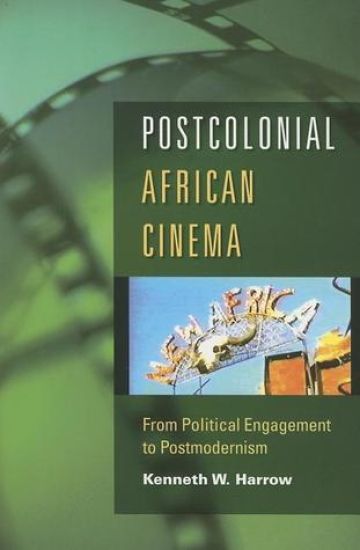
Postcolonial African Cinema

Postcolonial African Cinema

Kenneth W. Harrow

Indiana University Press
2007
pokkari
Kenneth W. Harrow offers a new critical approach to African cinema—one that requires that we revisit the beginnings of African filmmaking and the critical responses to which they gave rise, and that we ask what limitations they might have contained, what price was paid for the approaches then taken, and whether we are still caught in those limitations today. Using Žižek, Badiou, and a range of Lacanian and postmodern-based approaches, Harrow attempts to redefine the possibilities of an African cinematic practice—one in which fantasy and desire are placed within a more expansive reading of the political and the ideological. The major works of Sembène Ousmane, Djibril Diop Mambéty, Souleymane Cisse, Jean-Pierre Bekolo, Jean-Marie Teno, Bassak ba Kohbio, and Fanta Nacro are explored, while at the same time the project of current postmodern theory, especially that of Jameson, is called into question in order that an African postmodernist cultural enterprise might be envisioned.
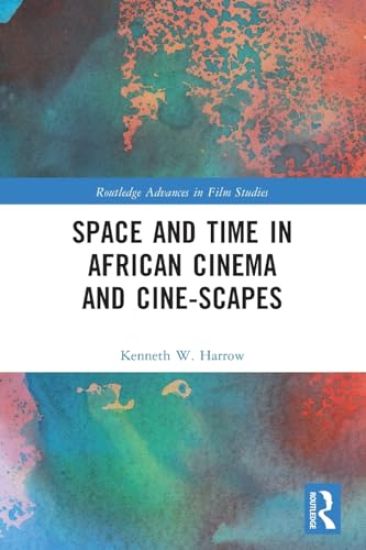
Space and Time in African Cinema and Cine-scapes

Space and Time in African Cinema and Cine-scapes

Kenneth W. Harrow

TAYLOR FRANCIS LTD
2022
sidottu
This book is the first of its kind to bring basic notions of contemporary physics to bear on African cine-scapes.In this book, renowned African cinema scholar Kenneth W. Harrow presents unique new ways to think about space and time in film, with a specific focus on African and African diasporic cinema. Through a series of case studies, he explores how cinema creates and represents time and space and, more specifically, how a cinema centered in African landscapes and figures accomplishes this. He reflects on the issues and problems posed by scientists when faced with the basic questions of what space and time are and their solutions or conclusions, giving both film studies and African studies scholars access to new ways to formulate their thinking about African cine-scapes. Working beyond the limits of a framework based in a postcolonial and cultural understanding of time and space, Harrow demonstrates how a scientific understanding of time and space can open up new approaches to African cinema and cinema in general.A unique, interdisciplinary book that encourages brand new ways to approach cinematic texts and, specifically, African cine-scapes.
Space and Time in African Cinema and Cine-scapes

Space and Time in African Cinema and Cine-scapes

Kenneth W. Harrow

TAYLOR FRANCIS LTD
2024
nidottu
This book is the first of its kind to bring basic notions of contemporary physics to bear on African cine-scapes.In this book, renowned African cinema scholar Kenneth W. Harrow presents unique new ways to think about space and time in film, with a specific focus on African and African diasporic cinema. Through a series of case studies, he explores how cinema creates and represents time and space and, more specifically, how a cinema centered in African landscapes and figures accomplishes this. He reflects on the issues and problems posed by scientists when faced with the basic questions of what space and time are and their solutions or conclusions, giving both film studies and African studies scholars access to new ways to formulate their thinking about African cine-scapes. Working beyond the limits of a framework based in a postcolonial and cultural understanding of time and space, Harrow demonstrates how a scientific understanding of time and space can open up new approaches to African cinema and cinema in general.A unique, interdisciplinary book that encourages brand new ways to approach cinematic texts and, specifically, African cine-scapes.
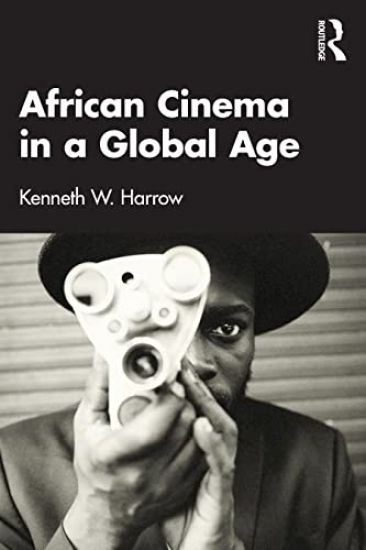
African Cinema in a Global Age

African Cinema in a Global Age

Kenneth W. Harrow

TAYLOR FRANCIS LTD
2023
nidottu
This book traces the developments in African films that were made from the 1990s to the present within the evolving frame of what came to be called ‘World Cinema’ and, eventually, ‘Global Cinema.’Kenneth W. Harrow explores how, from the time video and then digital technologies were introduced in the 1990s, and then again, when streaming platforms assumed major roles in producing and distributing film between the 2010s and 2020s, African cinema underwent enormous changes. He highlights how the introduction of the continent’s first successful commercial cinema, Nollywood, shifted the focus from engagé films, with social or political messages, to entertainment movies, but also auteur cinema. Harrow explores how this transformation liberated African filmmakers and resulted in an incredible, enduring flow of creative, inventive, and thoughtful filmmaking. This book presents a number of those critical films that mark that trajectory, projecting a new sense of African film spaces and temporalities, while also highlighting how African films continue to find independent pathways. This book will be of interest to students and scholars of African cinema and world cinema, as well as researchers specifically examining African cinemas and their relationship to globalization.
African Cinema in a Global Age

African Cinema in a Global Age

Kenneth W. Harrow

TAYLOR FRANCIS LTD
2023
sidottu
This book traces the developments in African films that were made from the 1990s to the present within the evolving frame of what came to be called ‘World Cinema’ and, eventually, ‘Global Cinema.’Kenneth W. Harrow explores how, from the time video and then digital technologies were introduced in the 1990s, and then again, when streaming platforms assumed major roles in producing and distributing film between the 2010s and 2020s, African cinema underwent enormous changes. He highlights how the introduction of the continent’s first successful commercial cinema, Nollywood, shifted the focus from engagé films, with social or political messages, to entertainment movies, but also auteur cinema. Harrow explores how this transformation liberated African filmmakers and resulted in an incredible, enduring flow of creative, inventive, and thoughtful filmmaking. This book presents a number of those critical films that mark that trajectory, projecting a new sense of African film spaces and temporalities, while also highlighting how African films continue to find independent pathways. This book will be of interest to students and scholars of African cinema and world cinema, as well as researchers specifically examining African cinemas and their relationship to globalization.