
Kirjojen hintavertailu. Mukana 12 432 070 kirjaa ja 12 kauppaa.

Kirjahaku

Etsi kirjoja tekijän nimen, kirjan nimen tai ISBN:n perusteella.

2 kirjaa tekijältä Kent L. Brintnall

Ecce Homo

Ecce Homo

Kent L. Brintnall

University of Chicago Press
2012
sidottu
Images of suffering male bodies permeate Western culture, from Francis Bacon's paintings and Robert Mapplethorpe's photographs to the battered heroes of action movies. Drawing on perspectives from a range of disciplines - including religious studies, gender and queer studies, psychoanalysis, art history, and film theory - "Ecce Homo" explores the complex, ambiguous meanings of the enduring figure of the male-body-in-pain. Acknowledging that representations of men confronting violence and pain can reinforce ideas of manly tenacity, Kent L. Brintnall also argues that they reveal the vulnerability of men's bodies and open them up to eroticization. Locating the roots of our cultural fascination with male pain in the crucifixion, he analyzes the way narratives of Christ's death and resurrection both support and subvert cultural fantasies of masculine power and privilege. Through stimulating readings of works by Georges Bataille, Kaja Silverman, and more, Brintnall delineates the redemptive power of representations of male suffering and violence.
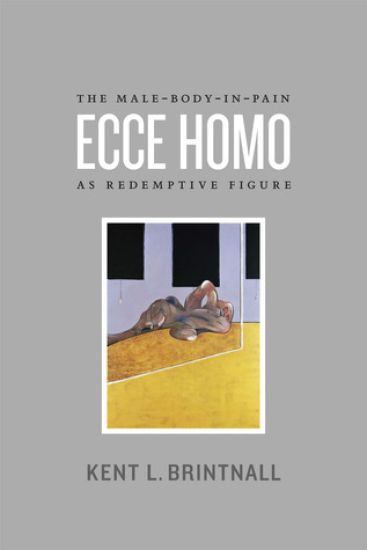
Ecce Homo

Ecce Homo

Kent L. Brintnall

University of Chicago Press
2012
nidottu
Images of suffering male bodies permeate Western culture, from Francis Bacon's paintings and Robert Mapplethorpe's photographs to the battered heroes of action movies. Drawing on perspectives from a range of disciplines - including religious studies, gender and queer studies, psychoanalysis, art history, and film theory - "Ecce Homo" explores the complex, ambiguous meanings of the enduring figure of the male-body-in-pain. Acknowledging that representations of men confronting violence and pain can reinforce ideas of manly tenacity, Kent L. Brintnall also argues that they reveal the vulnerability of men's bodies and open them up to eroticization. Locating the roots of our cultural fascination with male pain in the crucifixion, he analyzes the way narratives of Christ's death and resurrection both support and subvert cultural fantasies of masculine power and privilege. Through stimulating readings of works by Georges Bataille, Kaja Silverman, and more, Brintnall delineates the redemptive power of representations of male suffering and violence.