
Kirjojen hintavertailu. Mukana 12 390 323 kirjaa ja 12 kauppaa.

Kirjahaku

Etsi kirjoja tekijän nimen, kirjan nimen tai ISBN:n perusteella.

3 kirjaa tekijältä Kevin Bazzana

Wondrous Strange: The Life and Art of Glenn Gould

Wondrous Strange: The Life and Art of Glenn Gould

Kevin Bazzana

Oxford University Press
2004
sidottu
When Mikhail Baryshnikov defected in Toronto in 1974, he admitted that he knew only three things about Canada: It had great hockey teams, a lot of wheatfields, and Glenn Gould. In Wondrous Strange, Kevin Bazzana vividly recaptures the life of Glenn Gould, one of the most celebrated pianists of our time. Drawing on twenty years of intensive research, including unrestricted access to Gould's private papers and interviews with scores of friends and colleagues, many of them never interviewed before, Bazzana sheds new light on such topics as Gould's family history, his secretive sexual life, and the mysterious problems that afflicted his hands in his later years. The author places Gould's distinctive traits--his eccentric interpretations, his garish onstage demeanor, his resistance to convention--against the backdrop of his religious, upper middle-class Canadian childhood, illuminating the influence of Gould's mother as well as the lasting impact of the only piano teacher Gould ever had. Bazzana offers a fresh appreciation of Gould's concert career--his high-profile but illness-plagued international tours, his adventurous work for Canadian music festivals, his musical and legal problems with Steinway & Sons. In 1964, Gould made the extraordinary decision to perform only for records, radio, television, and film, a turning point that the author examines with unprecedented thoroughness (discussing, for example, his far-seeing interest in new recording technology). Here, too, are Gould's interests away from the piano, from his ambitious but failed effort to be a composer to his innovative brand of "contrapuntal radio." Richly illustrated with rare photographs, Wondrous Strange is a superbly written account of one of the most memorable and accomplished musicians of our times.

Wondrous Strange

Wondrous Strange

Kevin Bazzana

Oxford University Press Inc
2005
nidottu
When Mikhail Baryshnikov defected in Toronto in 1974, he admitted that he knew only three things about Canada: It had great hockey teams, a lot of wheatfields, and Glenn Gould. In Wondrous Strange, Kevin Bazzana vividly recaptures the life of Glenn Gould, one of the most celebrated pianists of our time. Drawing on twenty years of intensive research, including unrestricted access to Gould's private papers and interviews with scores of friends and colleagues, many of them never interviewed before, Bazzana sheds new light on such topics as Gould's family history, his secretive sexual life, and the mysterious problems that afflicted his hands in his later years. The author places Gould's distinctive traits--his eccentric interpretations, his garish onstage demeanor, his resistance to convention--against the backdrop of his religious, upper- middle-class Canadian childhood, illuminating the influence of Gould's mother as well as the lasting impact of the only piano teacher Gould ever had. Bazzana offers a fresh appreciation of Gould's concert career--his high-profile but illness-plagued international tours, his adventurous work for Canadian music festivals, his musical and legal problems with Steinway & Sons. In 1964, Gould made the extraordinary decision to perform only for records, radio, television, and film, a turning point that the author examines with unprecedented thoroughness (discussing, for example, his far-seeing interest in new recording technology). Here, too, are Gould's interests away from the piano, from his ambitious but failed effort to be a composer to his innovative brand of "contrapuntal radio." Richly illustrated with rare photographs, Wondrous Strange is a superbly written account of one of the most memorable and accomplished musicians of our times.
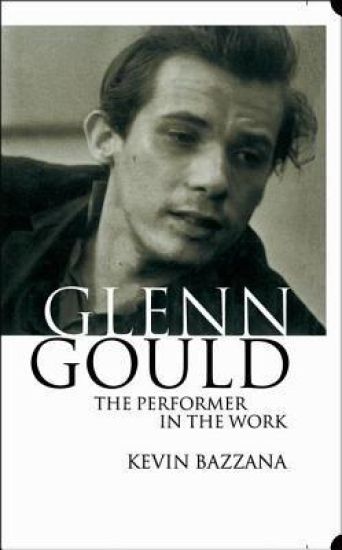
Glenn Gould: The Performer in the Work

Glenn Gould: The Performer in the Work

Kevin Bazzana

Oxford University Press
1997
sidottu
This book is a detailed study of the Canadian pianist, broadcaster, writer, and composer Glenn Gould (1932-82). While focussed primarily on his performances, it also situates his work and thought more broadly within relevant musical, cultural, intellectual, and historical contexts. It incorporates most of the existing primary and secondary literature on Gould, as well as many ideas, interpretations, and perspectives that have never before been offered. It alsoincorporates ideas from a wide range of literature, both musical and otherwise, and has benefitted from on-site research at The Glenn Gould Papers in the National Library of Canada. The book offers a more comprehensive, balanced, and thoroughly researched portrait of Gould as pianist and interpreterthan any previous volume in the Gould literature. Following an introduction that summarizes Gould's career and the posthumous interest in him, the book divides into two parts. Part 1, `Premises', focuses on the intellectual and aesthetic ideas that informed Gould's performances, and draws on literature from many fields, including music history and aesthetics, cultural history, the history of performance practice, theatre, literary criticism, and music analysis. The three large chapters of Part 1 cover a wide range of topics: Gould'sidealism, views on the musical work, musical tastes, and repertoire; his position on the role of the performer; the analytical, critical, and ethical discourses embodied in his performances; and his approach to performance in the contexts of Romanticism, modernism, neo-Classicism, post-structuralism, thehistorical performance movement, twentieth-century theatrical and literary practices, and cultural currents in the 1950s and 1960s. Part 2, `Practices', focuses in detail on Gould the pianist, illuminating important features of his style through prose description and critical analysis, and including graphic musical examples and plates. This second part focusses on specific aspects of Gould's performance practices: his relationship to the piano; his approach to counterpoint, rhythm, dynamics, articulation and phrasing, and ornamentation; and his uses of recording technology as a kind of performance practice. A conclusionserves in part as a summary of previous findings, but also discusses how, in light of these findings, Gould's work as a performer might ultimately be assessed.