Kirjojen hintavertailu. Mukana 11 699 587 kirjaa ja 12 kauppaa.

Kirjahaku

Etsi kirjoja tekijän nimen, kirjan nimen tai ISBN:n perusteella.

3 kirjaa tekijältä Kevin C. Murphy

The American Merchant Experience in Nineteenth Century Japan
American merchants established trading firms in the ports of Yokohama, Kobe and Nagasaki which operated from 1859-1899 until the repeal of the Unequal Treaties. Members of a privileged, semi-colonial community, the merchants formed the largest group of Americans in 19th century Japan. In this first book-length treatment of this group, Kevin Murphy explores their interactions with the Japanese in the treaty port system, how the Japanese leadership manipulated them to its own ends, and how the merchants themselves defined the limitations of American business in Japan through their ambiguous but deep concern with order and opportunity, restraint and dominance, and conservatism and dominance.
The American Merchant Experience in Nineteenth Century Japan
American merchants established trading firms in the ports of Yokohama, Kobe and Nagasaki which operated from 1859-1899 until the repeal of the Unequal Treaties. Members of a privileged, semi-colonial community, the merchants formed the largest group of Americans in 19th century Japan. In this first book-length treatment of this group, Kevin Murphy explores their interactions with the Japanese in the treaty port system, how the Japanese leadership manipulated them to its own ends, and how the merchants themselves defined the limitations of American business in Japan through their ambiguous but deep concern with order and opportunity, restraint and dominance, and conservatism and dominance.
Inside the Bataan Death March

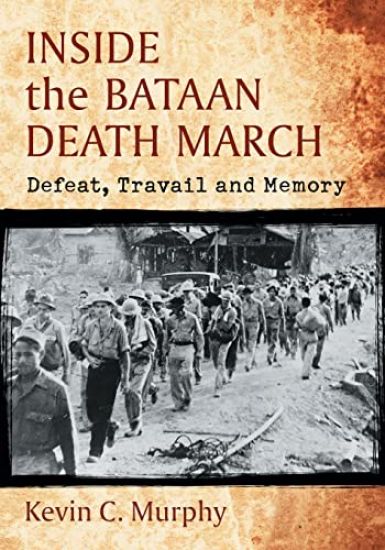
Inside the Bataan Death March

Kevin C. Murphy

McFarland Co Inc
2014
pokkari
For two weeks during the spring of 1942, the Bataan Death March--one of the most widely condemned atrocities of World War II--unfolded. The prevailing interpretation of this event is simple: American prisoners of war suffered cruel treatment at the hands of their Japanese captors while Filipinos, sympathetic to the Americans, looked on. Most survivors of the march wrote about their experiences decades after the war and a number of factors distorted their accounts. The crucial aspect of memory is central to this study--how it is constructed, by whom and for what purpose. This book questions the prevailing interpretation, reconsiders the actions of all three groups in their cultural contexts and suggests a far greater complexity. Among the conclusions is that violence on the march was largely the result of a clash of cultures--undisciplined, individualistic Americans encountered Japanese who valued order and form, while Filipinos were active, even ambitious, participants in the drama.