Kirjojen hintavertailu. Mukana 11 678 731 kirjaa ja 12 kauppaa.

Kirjahaku

Etsi kirjoja tekijän nimen, kirjan nimen tai ISBN:n perusteella.

4 kirjaa tekijältä Kevin Munger

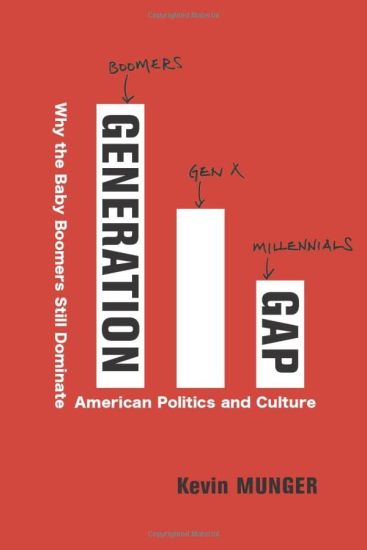
Generation Gap

Generation Gap

Kevin Munger

Columbia University Press
2022
sidottu
The Baby Boomers are the largest and most powerful generation in American history—and they aren’t going away any time soon. They are, on average, whiter, wealthier, and more conservative than younger generations. They dominate cultural and political institutions and make up the largest slice of the electorate. Generational conflict, with Millennials and Generation Z pitted against the aging Boomer cohort, has become a media staple. Older and younger voters are increasingly at odds: Republicans as a whole skew gray-haired, and within the Democratic Party, the left-leaning youth vote propels primary challengers. The generation gap is widening into a political fault line.Kevin Munger marshals novel data and survey evidence to argue that generational conflict will define the politics of the next decade. He examines the historical trends that made the Baby Boomers so consequential and traces the emergence of age-based political and cultural divisions. Boomers continue to prefer the media culture of their youth, but Millennials and Gen Z are using the internet to render legacy institutions irrelevant. These divergent media habits have led more people than ever to identify with their generation. Munger shows that a common “cohort consciousness” binds aging Boomer voters into a bloc—but a shared identity and purpose among Millennials and Gen Z could topple Boomer power.Bringing together expertise in data analysis and digital culture with keen insight into contemporary politics, Generation Gap explains why the Baby Boomers remain so dominant and how quickly that might change.
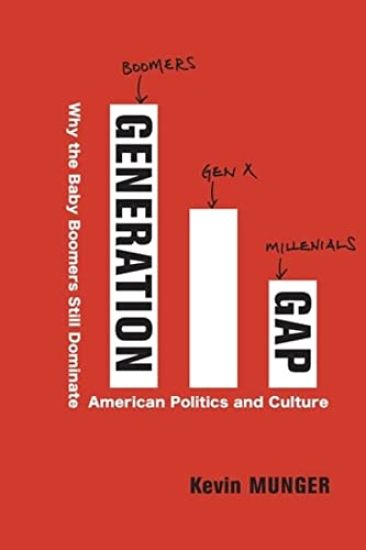
Generation Gap

Generation Gap

Kevin Munger

Columbia University Press
2022
pokkari
The Baby Boomers are the largest and most powerful generation in American history—and they aren’t going away any time soon. They are, on average, whiter, wealthier, and more conservative than younger generations. They dominate cultural and political institutions and make up the largest slice of the electorate. Generational conflict, with Millennials and Generation Z pitted against the aging Boomer cohort, has become a media staple. Older and younger voters are increasingly at odds: Republicans as a whole skew gray-haired, and within the Democratic Party, the left-leaning youth vote propels primary challengers. The generation gap is widening into a political fault line.Kevin Munger marshals novel data and survey evidence to argue that generational conflict will define the politics of the next decade. He examines the historical trends that made the Baby Boomers so consequential and traces the emergence of age-based political and cultural divisions. Boomers continue to prefer the media culture of their youth, but Millennials and Gen Z are using the internet to render legacy institutions irrelevant. These divergent media habits have led more people than ever to identify with their generation. Munger shows that a common “cohort consciousness” binds aging Boomer voters into a bloc—but a shared identity and purpose among Millennials and Gen Z could topple Boomer power.Bringing together expertise in data analysis and digital culture with keen insight into contemporary politics, Generation Gap explains why the Baby Boomers remain so dominant and how quickly that might change.
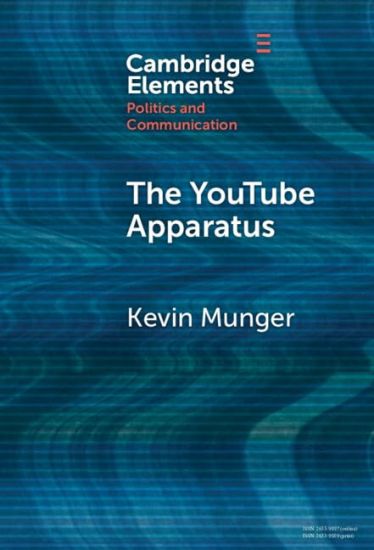
The YouTube Apparatus

The YouTube Apparatus

Kevin Munger

Cambridge University Press
2024
pokkari
The academic agenda for studying social media and politics has been somewhat haphazard. Thanks to rapid technological change, a cascade of policy-relevant crises, and sheer scale, we do not have a coherent framework for deciding what questions to ask. This Element articulates such a framework by taking existing literature from media economics and sociology and applying it reflexively, to both the academic agenda and to the specific case of politics on YouTube: the Supply and Demand Framework. The key mechanism, traced over the past century, is the technology of audience measurement. The YouTube audience comes pre-rationalized in the form of Likes, Views and Comments, and is thus unavoidable for all actors involved. The phenomenon of 'radicalization' is best understood as a consequence of accelerated feedback between audiences and creators, radicalizing each other. I use fifteen years of supply and demand data from YouTube to demonstrate how different types of producers respond more or less to this feedback, which in turn structures the ideological distribution of content consumed on the platform. This title is also available as Open Access on Cambridge Core.
The YouTube Apparatus

The YouTube Apparatus

Kevin Munger

Cambridge University Press
2024
sidottu
The academic agenda for studying social media and politics has been somewhat haphazard. Thanks to rapid technological change, a cascade of policy-relevant crises, and sheer scale, we do not have a coherent framework for deciding what questions to ask. This Element articulates such a framework by taking existing literature from media economics and sociology and applying it reflexively, to both the academic agenda and to the specific case of politics on YouTube: the Supply and Demand Framework. The key mechanism, traced over the past century, is the technology of audience measurement. The YouTube audience comes pre-rationalized in the form of Likes, Views and Comments, and is thus unavoidable for all actors involved. The phenomenon of 'radicalization' is best understood as a consequence of accelerated feedback between audiences and creators, radicalizing each other. I use fifteen years of supply and demand data from YouTube to demonstrate how different types of producers respond more or less to this feedback, which in turn structures the ideological distribution of content consumed on the platform. This title is also available as Open Access on Cambridge Core.