
Kirjahaku
Etsi kirjoja tekijän nimen, kirjan nimen tai ISBN:n perusteella.
15 kirjaa tekijältä Kevin Reilly
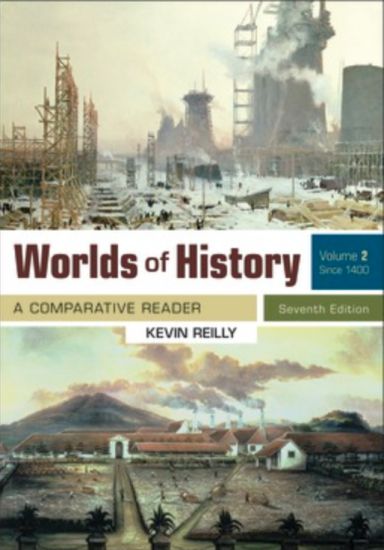
Worlds of History, Volume 2: A Comparative Reader, Since 1400
Kevin Reilly
Bedford Books
2019
nidottu
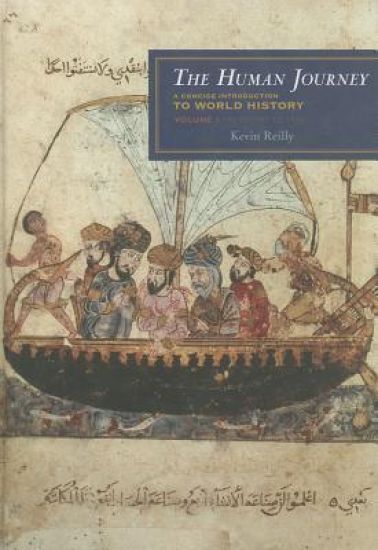
The Human Journey offers a truly concise yet satisfyingly full history of the world from ancient times to the present. The book's scope, as the title implies, is the whole story of humanity, in planetary context. Its themes include not only the great questions of the humanities-nature versus nurture, the history and meaning of human variation, the sources of wealth and causes of revolution-but also the major transformations in human history: agriculture, cities, iron, writing, universal religions, global trade, industrialization, popular government, justice, and equality. In each conceptually rich chapter, leading historian Kevin Reilly concentrates on a single important period and theme, sustaining a focused narrative and analytical perspective. Chapter 2, for example, discusses the significance of bronze-age urbanization and the advent of the Iron Age. Chapter 3 examines the meaning and significance of the age of "classical" civilizations. Chapter 4 explains the spread of universal religions and new technologies in the postclassical age of Eurasian integration. But these examples also reveal a range of approaches to world history. The first chapter is an example of current "Big History," the second of history as technological transformations, the third of comparative history, the fourth the history of connections that dominates, and thus narrows, so many texts. Free of either a confined, limiting focus or a mandatory laundry list of topics, this book begins with our most important questions and searches all of our past for answers. Well-grounded in the latest scholarship, this is not a fill-in-the-blanks text, but world history in a grand humanistic tradition.
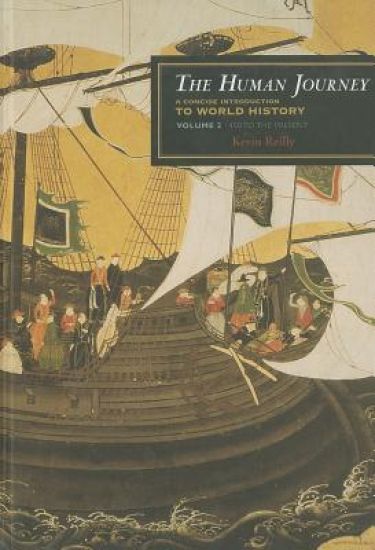
The Human Journey offers a truly concise yet satisfyingly full history of the world from ancient times to the present. The book's scope, as the title implies, is the whole story of humanity, in planetary context. Its themes include not only the great questions of the humanities-nature versus nurture, the history and meaning of human variation, the sources of wealth and causes of revolution-but also the major transformations in human history: agriculture, cities, iron, writing, universal religions, global trade, industrialization, popular government, justice, and equality. In each conceptually rich chapter, leading historian Kevin Reilly concentrates on a single important period and theme, sustaining a focused narrative and analytical perspective. Chapter 2, for example, discusses the significance of bronze-age urbanization and the advent of the Iron Age. Chapter 3 examines the meaning and significance of the age of "classical" civilizations. Chapter 4 explains the spread of universal religions and new technologies in the postclassical age of Eurasian integration. But these examples also reveal a range of approaches to world history. The first chapter is an example of current "Big History," the second of history as technological transformations, the third of comparative history, the fourth the history of connections that dominates, and thus narrows, so many texts. Free of either a confined, limiting focus or a mandatory laundry list of topics, this book begins with our most important questions and searches all of our past for answers. Well-grounded in the latest scholarship, this is not a fill-in-the-blanks text, but world history in a grand humanistic tradition.
The Human Journey offers a truly concise yet satisfyingly full history of the world from ancient times to the present. The book’s scope, as the title implies, is the whole story of humanity, in planetary context. Its themes include not only the great questions of the humanities—nature versus nurture, the history and meaning of human variation, the sources of wealth and causes of revolution—but also the major transformations in human history: agriculture, cities, iron, writing, universal religions, global trade, industrialization, popular government, justice, and equality. In each conceptually rich chapter, leading historian Kevin Reilly concentrates on a single important period and theme, sustaining a focused narrative and analytical perspective. Chapter 2, for example, discusses the significance of bronze-age urbanization and the advent of the Iron Age. Chapter 3 examines the meaning and significance of the age of “classical” civilizations. Chapter 4 explains the spread of universal religions and new technologies in the postclassical age of Eurasian integration. But these examples also reveal a range of approaches to world history. The first chapter is an example of current “Big History,” the second of history as technological transformations, the third of comparative history, the fourth the history of connections that dominates, and thus narrows, so many texts. Free of either a confined, limiting focus or a mandatory laundry list of topics, this book begins with our most important questions and searches all of our past for answers. Well-grounded in the latest scholarship, this is not a fill-in-the-blanks text, but world history in a grand humanistic tradition.
The Human Journey offers a truly concise yet satisfyingly full history of the world from ancient times to the present. The book’s scope, as the title implies, is the whole story of humanity, in planetary context. Its themes include not only the great questions of the humanities—nature versus nurture, the history and meaning of human variation, the sources of wealth and causes of revolution—but also the major transformations in human history: agriculture, cities, iron, writing, universal religions, global trade, industrialization, popular government, justice, and equality. In each conceptually rich chapter, leading historian Kevin Reilly concentrates on a single important period and theme, sustaining a focused narrative and analytical perspective. Chapter 2, for example, discusses the significance of bronze-age urbanization and the advent of the Iron Age. Chapter 3 examines the meaning and significance of the age of “classical” civilizations. Chapter 4 explains the spread of universal religions and new technologies in the postclassical age of Eurasian integration. But these examples also reveal a range of approaches to world history. The first chapter is an example of current “Big History,” the second of history as technological transformations, the third of comparative history, the fourth the history of connections that dominates, and thus narrows, so many texts. Free of either a confined, limiting focus or a mandatory laundry list of topics, this book begins with our most important questions and searches all of our past for answers. Well-grounded in the latest scholarship, this is not a fill-in-the-blanks text, but world history in a grand humanistic tradition.
The Human Journey offers a truly concise yet satisfyingly full history of the world from ancient times to the present. The book’s scope, as the title implies, is the whole story of humanity, in planetary context. Its themes include not only the great questions of the humanities—nature versus nurture, the history and meaning of human variation, the sources of wealth and causes of revolution—but also the major transformations in human history: agriculture, cities, iron, writing, universal religions, global trade, industrialization, popular government, justice, and equality. In each conceptually rich chapter, leading historian Kevin Reilly concentrates on a single important period and theme, sustaining a focused narrative and analytical perspective. Chapter 2, for example, discusses the significance of bronze-age urbanization and the advent of the Iron Age. Chapter 3 examines the meaning and significance of the age of “classical” civilizations. Chapter 4 explains the spread of universal religions and new technologies in the postclassical age of Eurasian integration. But these examples also reveal a range of approaches to world history. The first chapter is an example of current “Big History,” the second of history as technological transformations, the third of comparative history, the fourth the history of connections that dominates, and thus narrows, so many texts. Free of either a confined, limiting focus or a mandatory laundry list of topics, this book begins with our most important questions and searches all of our past for answers. Well-grounded in the latest scholarship, this is not a fill-in-the-blanks text, but world history in a grand humanistic tradition.
The Human Journey offers a truly concise yet satisfyingly full history of the world from ancient times to the present. The book’s scope, as the title implies, is the whole story of humanity, in planetary context. Its themes include not only the great questions of the humanities—nature versus nurture, the history and meaning of human variation, the sources of wealth and causes of revolution—but also the major transformations in human history: agriculture, cities, iron, writing, universal religions, global trade, industrialization, popular government, justice, and equality. In each conceptually rich chapter, leading historian Kevin Reilly concentrates on a single important period and theme, sustaining a focused narrative and analytical perspective. Chapter 2, for example, discusses the significance of bronze-age urbanization and the advent of the Iron Age. Chapter 3 examines the meaning and significance of the age of “classical” civilizations. Chapter 4 explains the spread of universal religions and new technologies in the postclassical age of Eurasian integration. But these examples also reveal a range of approaches to world history. The first chapter is an example of current “Big History,” the second of history as technological transformations, the third of comparative history, the fourth the history of connections that dominates, and thus narrows, so many texts. Free of either a confined, limiting focus or a mandatory laundry list of topics, this book begins with our most important questions and searches all of our past for answers. Well-grounded in the latest scholarship, this is not a fill-in-the-blanks text, but world history in a grand humanistic tradition.
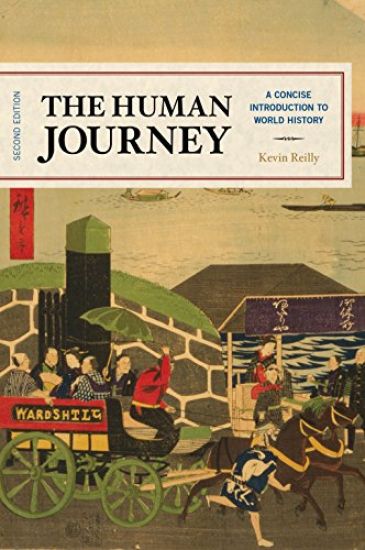
The Human Journey offers a truly concise yet satisfyingly full history of the world from ancient times to the present. The book’s scope, as the title implies, is the whole story of humanity, in planetary context. Its themes include not only the great questions of the humanities—nature versus nurture, the history and meaning of human variation, the sources of wealth and causes of revolution—but also the major transformations in human history: agriculture, cities, iron, writing, universal religions, global trade, industrialization, popular government, justice, and equality. In each conceptually rich chapter, leading historian Kevin Reilly concentrates on a single important period and theme, sustaining a focused narrative and analytical perspective. Chapter 2, for example, discusses the significance of bronze-age urbanization and the advent of the Iron Age. Chapter 3 examines the meaning and significance of the age of “classical” civilizations. Chapter 4 explains the spread of universal religions and new technologies in the postclassical age of Eurasian integration. But these examples also reveal a range of approaches to world history. The first chapter is an example of current “Big History,” the second of history as technological transformations, the third of comparative history, the fourth the history of connections that dominates, and thus narrows, so many texts. Free of either a confined, limiting focus or a mandatory laundry list of topics, this book begins with our most important questions and searches all of our past for answers. Well-grounded in the latest scholarship, this is not a fill-in-the-blanks text, but world history in a grand humanistic tradition.
The Human Journey offers a truly concise yet satisfyingly full history of the world from ancient times to the present. The book’s scope, as the title implies, is the whole story of humanity, in planetary context. Its themes include not only the great questions of the humanities—nature versus nurture, the history and meaning of human variation, the sources of wealth and causes of revolution—but also the major transformations in human history: agriculture, cities, iron, writing, universal religions, global trade, industrialization, popular government, justice, and equality. In each conceptually rich chapter, leading historian Kevin Reilly concentrates on a single important period and theme, sustaining a focused narrative and analytical perspective. Chapter 2, for example, discusses the significance of bronze-age urbanization and the advent of the Iron Age. Chapter 3 examines the meaning and significance of the age of “classical” civilizations. Chapter 4 explains the spread of universal religions and new technologies in the postclassical age of Eurasian integration. But these examples also reveal a range of approaches to world history. The first chapter is an example of current “Big History,” the second of history as technological transformations, the third of comparative history, the fourth the history of connections that dominates, and thus narrows, so many texts. Free of either a confined, limiting focus or a mandatory laundry list of topics, this book begins with our most important questions and searches all of our past for answers. Well-grounded in the latest scholarship, this is not a fill-in-the-blanks text, but world history in a grand humanistic tradition.

The Human Journey: A Concise Introduction to World History, Prehistory to 1450
Kevin Reilly
ROWMAN LITTLEFIELD
2024
nidottu
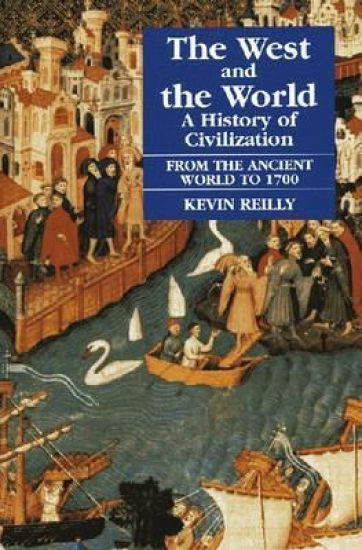
The West and the World v. 1; From the Ancient World to 1700
Kevin Reilly
Markus Wiener Publishing Inc
1997
nidottu
This work covers topics such as gender, religion, war, ecology, and nationalism, creating both thematic narratives and the strands of a larger chronological account. It explores major historical turning points, and reveals the dynamic of increasing global interactions.
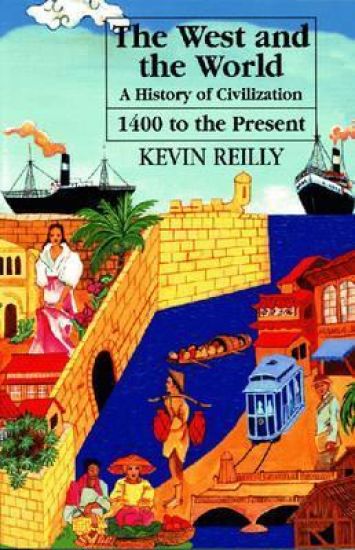
The West and the World v. 2; From 1400 to the Present
Kevin Reilly
Markus Wiener Publishing Inc
1997
nidottu
This work covers topics such as gender, religion, war, ecology, and nationalism, creating both thematic narratives and the strands of a larger chronological account. It explores major historical turning points, and reveals the dynamic of increasing global interactions.
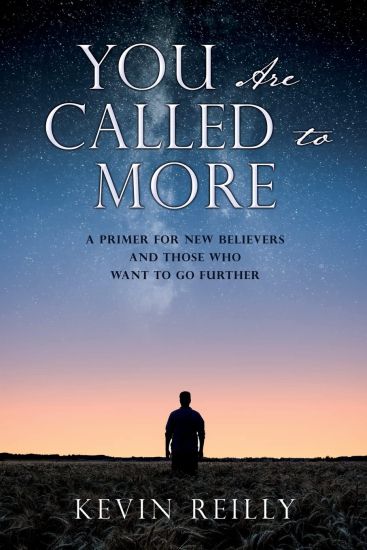
Called to More - It is the hearts cry for every person, knowing there is more to this life than what they have experienced so far. As a new Christion, there is a whole world of possibilities that God wants you to learn and experience. As the saying goes, the journey of a thousand miles begins with one step. In this book are the tools you will need to begin that journey, and once you begin - Nothing will ever be the same. God is calling you to a deeper understanding of who He is, a closer walk with Him and an empowerment of His Spirit that will change your life forever. Let's start together and see where He Takes Us Kevin Reilly has always lived a life of service to the Lord, by serving people. Whether it's stopping to change someone's tire in the middle of a downpour, or going on ministry and mission trips helping those in need and spreading the Gospel. Saved in his 20s from a life immersed in alcohol and drugs, Kevin was instantly healed by God from his addictions. He has since served many years in the fire service, and is currently a fire investigator in Virginia. While the fire service was his "paying job" Kevin has worked with various ministries God has led him to help with. Currently he sits on the Board of Directors for Christ in Action Ministries, a disaster response group who has helped thousands after disasters in the United States. He describes himself as a "just a guy" but has extraordinarily loved his God, his family and his fellow man.
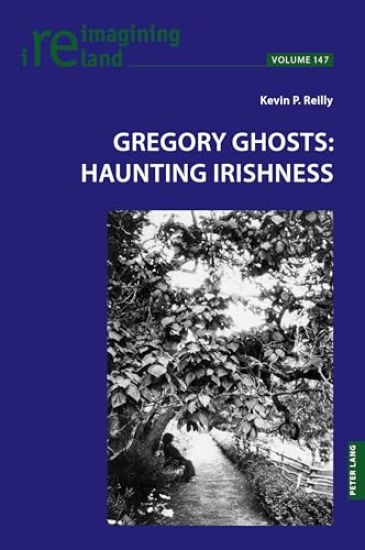
Gregory Ghosts: Haunting Irishness
Kevin Reilly
Peter Lang International Academic Publishers
2026
nidottu
This book is a kind of Irish ghost story. In it the ghosts of Lady Augusta Gregory (1852-1932) and eight of her family members and colleagues look back over their lives—and sometimes forward beyond them—to try to make sense of them, their times, and one another. Theirs were all turbulent lives played out on the western edge of Europe at a time of great change. Lady Gregory helped shape that change at a pivotal moment in Ireland’s development into a modern nation state. The author’s fresh approach questions and complicates the image of her as a prim Victorian workhorse. Setting her in the midst of the personal chatter of her departed family, lovers, friends, and collaborators brings home how the historical Irish moment found her just when it needed her. “Melding scholarship and creative work, Kevin Reilly’s Gregory Ghosts vividly explores the origins of the Irish Literary Revival through fictionalized—though scrupulously factual—narratives written in the voices of the major players. The presence of Lady Gregory herself, in all her ambition and contradictions, shines through all of the lives that Reilly has so imaginatively re-created here.” —James Silas Rogers, Editor Emeritus, New Hibernia Review “A fresh, vibrant, and fascinating contribution to the scholarly and popular literature on the Irish dramatic movement and the wider Irish Literary Renaissance.” — James Donnelly, Professor Emeritus of History, University of Wisconsin-Madison “This book captivated me by way of its engaging imaginative premise, its originality, and its attention to historical detail.” —Dr. Kay Martinovich, School of Theatre and Dance, Northern Illinois University