
Kirjahaku
Etsi kirjoja tekijän nimen, kirjan nimen tai ISBN:n perusteella.
5 kirjaa tekijältä Khaled El-Rouayheb
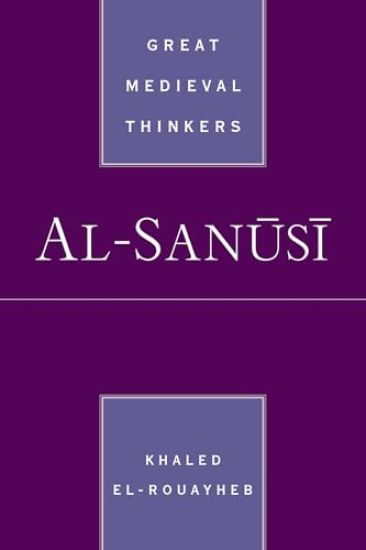
Before Homosexuality in the Arab-Islamic World, 1500-1800
Khaled El-Rouayheb
University of Chicago Press
2005
sidottu
Attitudes toward homosexuality in the premodern Arab-Islamic world are commonly depicted as schizophrenic - it was visible and tolerated on one hand, prohibited by Islam on the other. Khaled El-Rouayheb argues that this apparent paradox is based on the anachronistic assumption that homosexuality is a timeless, self-evident fact to which a particular culture reacts with some degree of tolerance or intolerance. Drawing on poetry, biographical literature, medicine, dream interpretation, and Islamic texts, he shows that the culture of the period lacked the concept of homosexuality.
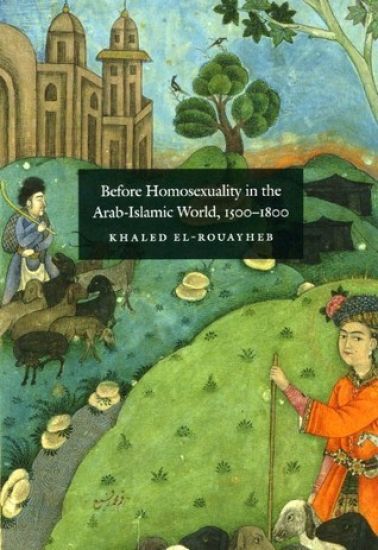
Before Homosexuality in the Arab-Islamic World, 1500-1800
Khaled El-Rouayheb
University of Chicago Press
2009
nidottu
Attitudes toward homosexuality in the premodern Arab-Islamic world are commonly depicted as schizophrenic - it was visible and tolerated on one hand, prohibited by Islam on the other. Khaled El-Rouayheb argues that this apparent paradox is based on the anachronistic assumption that homosexuality is a timeless, self-evident fact to which a particular culture reacts with some degree of tolerance or intolerance. Drawing on poetry, biographical literature, medicine, dream interpretation, and Islamic texts, he shows that the culture of the period lacked the concept of homosexuality.
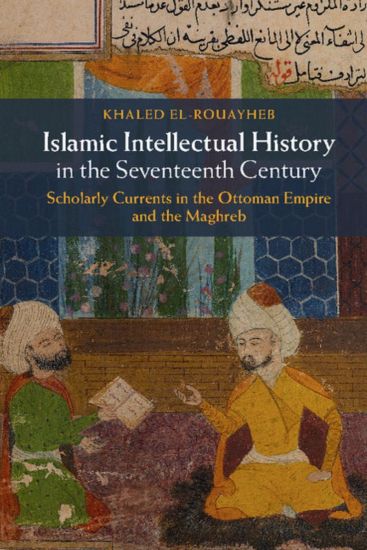
Islamic Intellectual History in the Seventeenth Century
Khaled El-Rouayheb
Cambridge University Press
2015
sidottu
For much of the twentieth century, the intellectual life of the Ottoman and Arabic-Islamic world in the seventeenth century was ignored or mischaracterized by historians. Ottomanists typically saw the seventeenth century as marking the end of Ottoman cultural florescence, while modern Arab nationalist historians tended to see it as yet another century of intellectual darkness under Ottoman rule. This book is the first sustained effort at investigating some of the intellectual currents among Ottoman and North African scholars of the early modern period. Examining the intellectual production of the ranks of learned ulema (scholars) through close readings of various treatises, commentaries, and marginalia, Khaled El-Rouayheb argues for a more textured - and text-centered - understanding of the vibrant exchange of ideas and transmission of knowledge across a vast expanse of Ottoman-controlled territory.