Kirjojen hintavertailu. Mukana 11 717 486 kirjaa ja 12 kauppaa.

Kirjahaku

Etsi kirjoja tekijän nimen, kirjan nimen tai ISBN:n perusteella.

3 kirjaa tekijältä Kimberley Johnson

Reforming Jim Crow

Reforming Jim Crow

Kimberley Johnson

Oxford University Press Inc
2010
sidottu
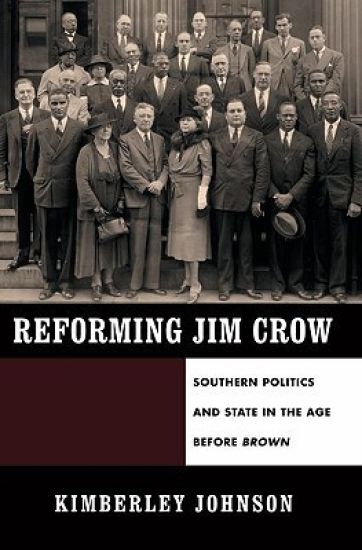
Historians of the Civil Rights era typically treat the key events of the 1950s Brown v. Board of Education, sit-ins, bus boycotts, and marches--as a revolutionary social upheaval that upended a rigid caste system. While the 1950s was a watershed era in Southern and civil rights history, the tendency has been to paint the preceding Jim Crow era as a brutal system that featured none of the progressive reform impulses so apparent at the federal level and in the North. As Kimberley Johnson shows in this pathbreaking reappraisal of the Jim Crow era, this argument is too simplistic, and is true to neither the 1950s nor the long era of Jim Crow that finally solidified in 1910. Focusing on the political development of the South between 1910 and 1954, Johnson considers the genuine efforts by white and black progressives to reform the system without destroying it. These reformers assumed that the system was there to stay, and therefore felt that they had to work within it in order to modernize the South. Consequently, white progressives tried to install a better--meaning more equitable--separate-but-equal system, and elite black reformers focused on ameliorative (rather than confrontational) solutions that would improve the lives of African Americans. Johnson concentrates on local and state reform efforts throughout the South in areas like schooling, housing, and labor. Many of the reforms made a difference, but they had the ironic impact of generating more demand for social change among blacks. She is able to show how demands slowly rose over time, and how the system laid the seeds of its own destruction. The reformers' commitment to a system that was less unequal--albeit not truly equal--and more like the North led to significant policy changes over time. As Johnson powerfully demonstrates, our lack of knowledge about the cumulative policy transformations resulting from the Jim Crow reform impulse impoverishes our understanding of the Civil Rights revolution. Reforming Jim Crow rectifies that.
Dark Concrete

Dark Concrete

Kimberley Johnson

CORNELL UNIVERSITY PRESS
2025
sidottu
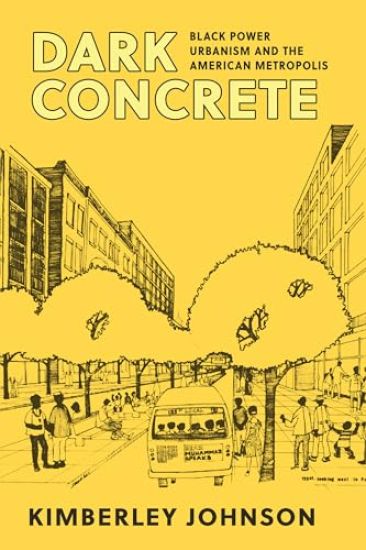
Dark Concrete is about how the Black Power movement re-shaped urban politics in the US—from expectations to practices. While the national and international dimensions of the Black Power are often focused on, Kimberley Johnson looks at the movement at the local level, highlighting Newark, East Orange, Oakland, and East Palo Alto and three policy areas: housing, education, and policing. She examines how the Black Power urbanism had its own local meanings as it was defined by local activists, neighborhood residents, parents, tenants and others who sought to repair cities and particularly black neighborhoods that were shattered due to urban renewal and highway construction, as well as ongoing political and economic disinvestment. Dark Concrete depicts how local conditions shaped the emergence of the Black Power movement, and in turn, the ways in which these local movements reshaped urban politics, institutions and place.
Dark Concrete

Dark Concrete

Kimberley Johnson

CORNELL UNIVERSITY PRESS
2025
pokkari
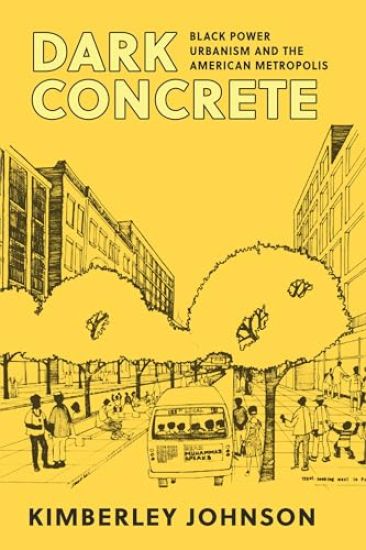
Dark Concrete is about how the Black Power movement re-shaped urban politics in the US—from expectations to practices. While the national and international dimensions of the Black Power are often focused on, Kimberley Johnson looks at the movement at the local level, highlighting Newark, East Orange, Oakland, and East Palo Alto and three policy areas: housing, education, and policing. She examines how the Black Power urbanism had its own local meanings as it was defined by local activists, neighborhood residents, parents, tenants and others who sought to repair cities and particularly black neighborhoods that were shattered due to urban renewal and highway construction, as well as ongoing political and economic disinvestment. Dark Concrete depicts how local conditions shaped the emergence of the Black Power movement, and in turn, the ways in which these local movements reshaped urban politics, institutions and place.