Kirjojen hintavertailu. Mukana 11 717 486 kirjaa ja 12 kauppaa.

Kirjahaku

Etsi kirjoja tekijän nimen, kirjan nimen tai ISBN:n perusteella.

3 kirjaa tekijältä Kris Lane

Pandemic in Potosí

Pandemic in Potosí

Kris Lane

Pennsylvania State University Press
2022
pokkari
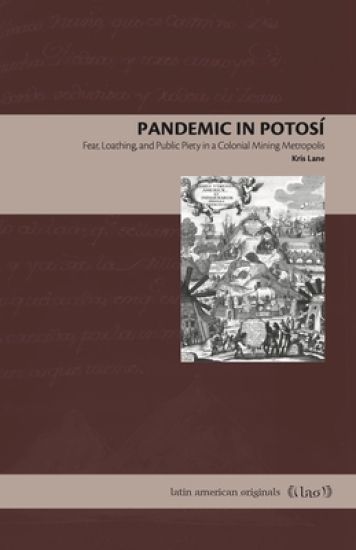
In 1719, a deadly and highly contagious disease took hold of the Imperial Villa of Potosí, a silver mining metropolis in what is now Bolivia. Within a year, the pathogen had killed some 22,000 people, just over a third of the city’s residents. Victims collapsed with fever, body aches, and effusions of blood from the nose and mouth. Most died within days. The great Andean pandemic of 1717–22 was likely the most destructive disease to strike South America since the days of the Spanish conquest.Pandemic in Potosí features the single longest narrative of this nearly forgotten period, penned by local historian Bartolomé Arzáns de Orsúa y Vela, along with shorter treatments of the disease’s ravages in Cuzco, Arequipa, and the outskirts of Lima. The “Gran Peste,” as it was called, was a pivotal event about which Arzáns wrote at length because he lived through it, but also because it was believed to have cosmic significance. Kris Lane translates and contextualizes Arzáns’s account, which is rich in local detail that sheds light on a range of topics—from therapeutics, devotional life, class relations, gender, and race to conceptions of illness, sin, and human will and responsibility during a major public health crisis.Original narratives of the pandemic, translated here for the first time, help readers see commonalities and differences between past and present disease encounters. Designed for use in courses on Latin American history, this concise work will also interest scholars and students of the history of religion, history of medicine, urban studies, and epidemiology.
Potosi

Potosi

Kris Lane

University of California Press
2019
sidottu
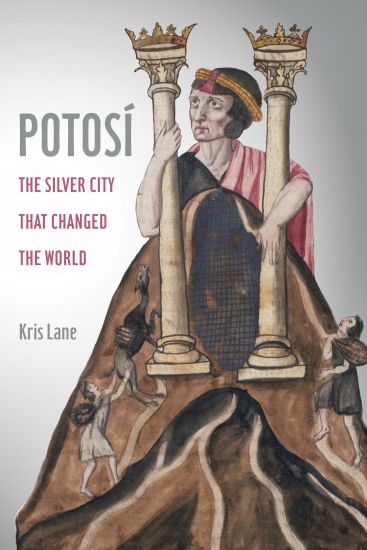
"For anyone who wants to learn about the rise and decline of Potosí as a city . . . Lane's book is the ideal place to begin."—New York Review of BooksIn 1545, a native Andean prospector hit pay dirt on a desolate red mountain in highland Bolivia. There followed the world’s greatest silver bonanza, making the Cerro Rico, or “Rich Hill,” and the Imperial Villa of Potosí instant legends, famous from Istanbul to Beijing. The Cerro Rico alone provided over half of the world’s silver for a century, and even in decline, it remained the single richest source on Earth.Potosí is the first interpretive history of the fabled mining city’s rise and fall. From Potosí’s startling emergence in the sixteenth century to its collapse in the nineteenth, Kris Lane tells the story of global economic transformation and the environmental and social impact of rampant colonial exploitation. Lane’s invigorating narrative offers rare details of this thriving city and its promise of prosperity. A new world—native workers, market women, African slaves, and other ordinary residents living alongside elite merchants, refinery owners, wealthy widows, and crown officials—emerges in lively, riveting stories from the original sources. An engrossing depiction of excess and devastation, Potosí reveals the relentless human tradition in boom times and bust.
Potosi

Potosi

Kris Lane

University of California Press
2021
pokkari
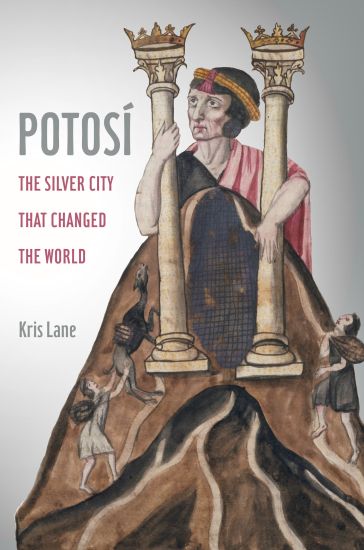
"For anyone who wants to learn about the rise and decline of Potosí as a city . . . Lane’s book is the ideal place to begin."—The New York Review of Books In 1545, a native Andean prospector hit pay dirt on a desolate red mountain in highland Bolivia. There followed the world's greatest silver bonanza, making the Cerro Rico or "Rich Hill" and the Imperial Villa of Potosí instant legends, famous from Istanbul to Beijing. The Cerro Rico alone provided over half of the world's silver for a century, and even in decline, it remained the single richest source on earth. Potosí is the first interpretive history of the fabled mining city’s rise and fall. It tells the story of global economic transformation and the environmental and social impact of rampant colonial exploitation from Potosí’s startling emergence in the sixteenth century to its collapse in the nineteenth. Throughout, Kris Lane’s invigorating narrative offers rare details of this thriving city and its promise of prosperity. A new world of native workers, market women, African slaves, and other ordinary residents who lived alongside the elite merchants, refinery owners, wealthy widows, and crown officials, emerge in lively, riveting stories from the original sources. An engrossing depiction of excess and devastation, Potosí reveals the relentless human tradition in boom times and bust.