Kirjojen hintavertailu. Mukana 11 417 157 kirjaa ja 12 kauppaa.

Kirjahaku

Etsi kirjoja tekijän nimen, kirjan nimen tai ISBN:n perusteella.

4 kirjaa tekijältä Kristen E. Cheney

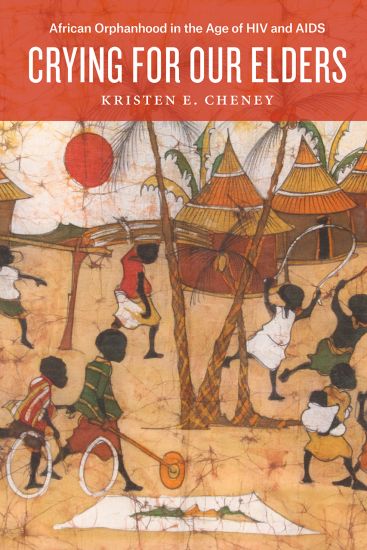
Pillars of the Nation

Pillars of the Nation

Kristen E. Cheney

University of Chicago Press
2007
sidottu
How can children simultaneously be the most important and least powerful people in a nation? In this innovative ethnography of Ugandan children - the pillars of tomorrow's Uganda, according to the national youth anthem - Kristen E. Cheney answers this question by exploring the daily contradictions children face as they try to find their places amid the country's rapidly changing social conditions. Drawing on the detailed life histories of several children, Cheney shows that children and childhood are being redefined by the desires of a young country struggling to position itself in the international community. She moves between urban schools, music festivals, and war zones to reveal how Ugandans are constructing childhood as an empowering identity for the development of the nation. Moreover, through her analysis of children's rights ideology, national government strategy, and children's everyday concerns, Cheney also shows how these young citizens are vitally linked to the global political economy as they navigate pitfalls and possibilities for a brighter tomorrow.
Pillars of the Nation

Pillars of the Nation

Kristen E. Cheney

University of Chicago Press
2007
nidottu
How can children simultaneously be the most important and least powerful people in a nation? In this innovative ethnography of Ugandan children - the pillars of tomorrow's Uganda, according to the national youth anthem - Kristen E. Cheney answers this question by exploring the daily contradictions children face as they try to find their places amid the country's rapidly changing social conditions. Drawing on the detailed life histories of several children, Cheney shows that children and childhood are being redefined by the desires of a young country struggling to position itself in the international community. She moves between urban schools, music festivals, and war zones to reveal how Ugandans are constructing childhood as an empowering identity for the development of the nation. Moreover, through her analysis of children's rights ideology, national government strategy, and children's everyday concerns, Cheney also shows how these young citizens are vitally linked to the global political economy as they navigate pitfalls and possibilities for a brighter tomorrow.
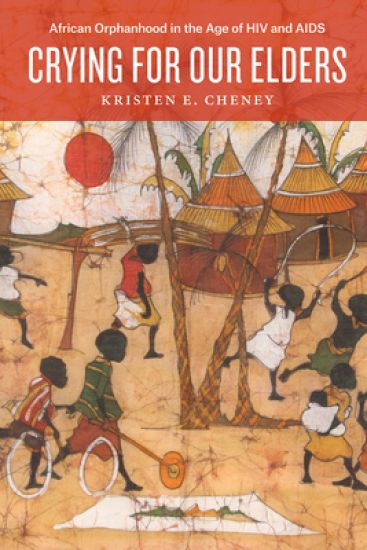
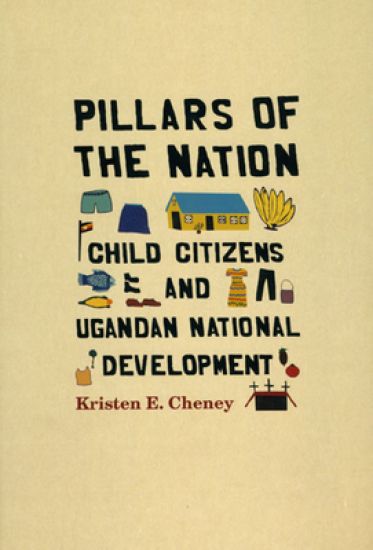
Crying for Our Elders

Crying for Our Elders

Kristen E. Cheney

University of Chicago Press
2017
sidottu
The HIV/AIDS epidemic in Africa has defined the childhoods of an entire generation. Over the past twenty years, international NGOs and charities have devoted immense attention to the millions of African children orphaned by the disease. But in Crying for Our Elders, anthropologist Kristen Cheney argues that these humanitarian groups have misread the crisis. Moreover, she explains how the global humanitarian focus on orphanhood often elides the social and political circumstances that present the greatest adversity to vulnerable children in effect, actually deepening the crisis and thereby affecting children's lives as irrevocably as the disease itself. Through ethnographic fieldwork and collaborative research with children in Uganda, Cheney traces how the 'best interest' principle that governs development work targeting children often does more harm than good, stigmatizing orphans and leaving children in the post-antiretroviral era even more vulnerable to exploitation. She details the dramatic effects this has on traditional family support and child protection, and stresses child empowerment over pity. Crying for Our Elders advances current discussions on humanitarianism, children's studies, orphanhood, and kinship. By exploring the unique experience of AIDS orphanhood through the eyes of children, caregivers, and policymakers, Cheney shows that despite the extreme challenges of growing up in the era of HIV/AIDS, the post-ARV generation still holds out hope for the future.
Crying for Our Elders

Crying for Our Elders

Kristen E. Cheney

University of Chicago Press
2017
nidottu
The HIV/AIDS epidemic in Africa has defined the childhoods of an entire generation. Over the past twenty years, international NGOs and charities have devoted immense attention to the millions of African children orphaned by the disease. But in Crying for Our Elders, anthropologist Kristen Cheney argues that these humanitarian groups have misread the crisis. Moreover, she explains how the global humanitarian focus on orphanhood often elides the social and political circumstances that present the greatest adversity to vulnerable children in effect, actually deepening the crisis and thereby affecting children's lives as irrevocably as the disease itself. Through ethnographic fieldwork and collaborative research with children in Uganda, Cheney traces how the 'best interest' principle that governs development work targeting children often does more harm than good, stigmatizing orphans and leaving children in the post-antiretroviral era even more vulnerable to exploitation. She details the dramatic effects this has on traditional family support and child protection, and stresses child empowerment over pity. Crying for Our Elders advances current discussions on humanitarianism, children's studies, orphanhood, and kinship. By exploring the unique experience of AIDS orphanhood through the eyes of children, caregivers, and policymakers, Cheney shows that despite the extreme challenges of growing up in the era of HIV/AIDS, the post-ARV generation still holds out hope for the future.