Kirjojen hintavertailu. Mukana 11 717 486 kirjaa ja 12 kauppaa.

Kirjahaku

Etsi kirjoja tekijän nimen, kirjan nimen tai ISBN:n perusteella.

4 kirjaa tekijältä Kristen Hopewell

Breaking the WTO

Breaking the WTO

Kristen Hopewell

Stanford University Press
2016
sidottu
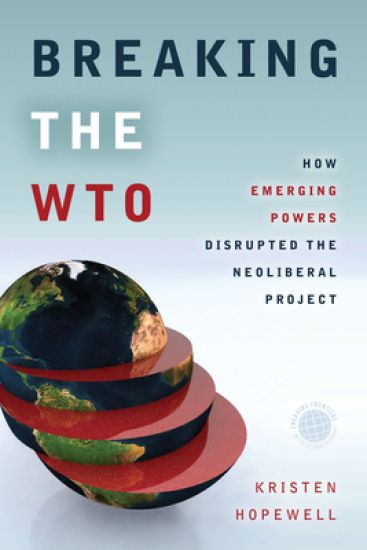
The world economic order has been upended by the rise of the BRIC nations and the attendant decline of the United States' international influence. In Breaking the WTO, Kristen Hopewell provides a groundbreaking analysis of how these power shifts have played out in one of the most important theaters of global governance: the World Trade Organization. Hopewell argues that the collapse of the Doha Round negotiations in 2008 signals a crisis in the American-led project of neoliberal globalization. Historically, the U.S. has pressured other countries to open their markets while maintaining its own protectionist policies. Over the course of the Doha negotiations, however, China, India, and Brazil challenged America's hypocrisy. They did so not because they rejected the multilateral trading system, but because they embraced neoliberal rhetoric and sought to lay claim to its benefits. By demanding that all members of the WTO live up to the principles of "free trade," these developing states caused the negotiations to collapse under their own contradictions. Breaking the WTO probes the tensions between the WTO's liberal principles and the underlying reality of power politics, exploring what the Doha conflict tells us about the current and coming balance of power in the global economy.
Clash of Powers

Clash of Powers

Kristen Hopewell

Cambridge University Press
2020
pokkari
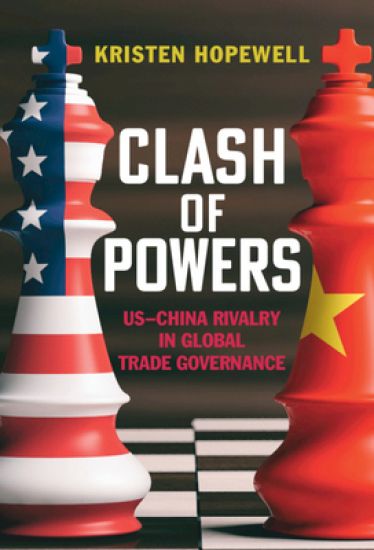
The US-China trade war instigated by President Trump has thrown the multilateral trading system into a crisis. Drawing on vast interview and documentary materials, Hopewell shows how US-China conflict had already paralyzed the system of international rules and institutions governing trade. The China Paradox – the fact that China is both a developing country and an economic powerhouse – creates significant challenges for global trade governance and rule-making. While China demands exemptions from global trade disciplines as a developing country, the US refuses to extend special treatment to its rival. The implications of this conflict extend far beyond trade, impeding pro-development and pro-environment reforms of the global trading system. As one of the first analyses of the implications of US-China rivalry for the governance of global trade, this book is crucial to our understanding of China's impact on the global trading system and on the liberal international economic order.
Clash of Powers

Clash of Powers

Kristen Hopewell

Cambridge University Press
2020
sidottu
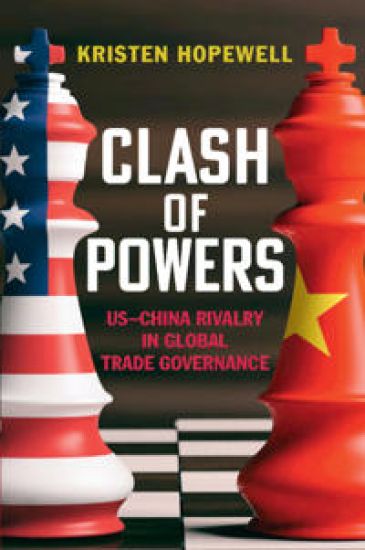
The US-China trade war instigated by President Trump has thrown the multilateral trading system into a crisis. Drawing on vast interview and documentary materials, Hopewell shows how US-China conflict had already paralyzed the system of international rules and institutions governing trade. The China Paradox – the fact that China is both a developing country and an economic powerhouse – creates significant challenges for global trade governance and rule-making. While China demands exemptions from global trade disciplines as a developing country, the US refuses to extend special treatment to its rival. The implications of this conflict extend far beyond trade, impeding pro-development and pro-environment reforms of the global trading system. As one of the first analyses of the implications of US-China rivalry for the governance of global trade, this book is crucial to our understanding of China's impact on the global trading system and on the liberal international economic order.
Breaking the WTO

Breaking the WTO

Kristen Hopewell

Stanford University Press
2016
pokkari
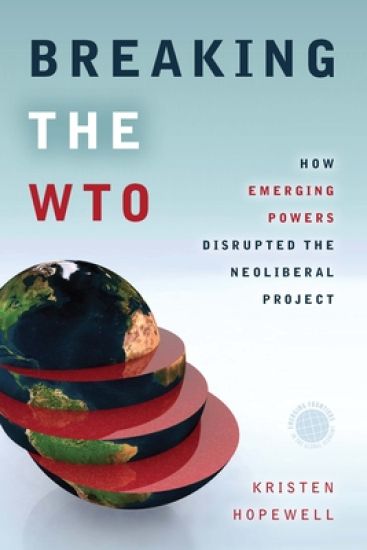
The world economic order has been upended by the rise of the BRIC nations and the attendant decline of the United States' international influence. In Breaking the WTO, Kristen Hopewell provides a groundbreaking analysis of how these power shifts have played out in one of the most important theaters of global governance: the World Trade Organization. Hopewell argues that the collapse of the Doha Round negotiations in 2008 signals a crisis in the American-led project of neoliberal globalization. Historically, the U.S. has pressured other countries to open their markets while maintaining its own protectionist policies. Over the course of the Doha negotiations, however, China, India, and Brazil challenged America's hypocrisy. They did so not because they rejected the multilateral trading system, but because they embraced neoliberal rhetoric and sought to lay claim to its benefits. By demanding that all members of the WTO live up to the principles of "free trade," these developing states caused the negotiations to collapse under their own contradictions. Breaking the WTO probes the tensions between the WTO's liberal principles and the underlying reality of power politics, exploring what the Doha conflict tells us about the current and coming balance of power in the global economy.