
Kirjojen hintavertailu. Mukana 11 342 296 kirjaa ja 12 kauppaa.

Kirjahaku

Etsi kirjoja tekijän nimen, kirjan nimen tai ISBN:n perusteella.

3 kirjaa tekijältä Laura Dethiville

The Clinic of Donald W. Winnicott

The Clinic of Donald W. Winnicott

Laura Dethiville

Routledge
2018
sidottu
Paediatric psychoanalyst Donald W. Winnicott is widely recognized as a remarkable clinician. Deprivation, regression, play, antisocial tendencies and "the use of the object" are part of the many clinical conceptions he conceived, and here Laura Dethiville explains each in a clear and precise way, highlighting Winnicott’s originality and enduring relevance. The Clinic of Donald W. Winnicott offers all readers a glimpse of what Winnicott brings to the understanding of the human being, and will appeal to students new to his work, as well as practitioners looking for a concise overview of his work.
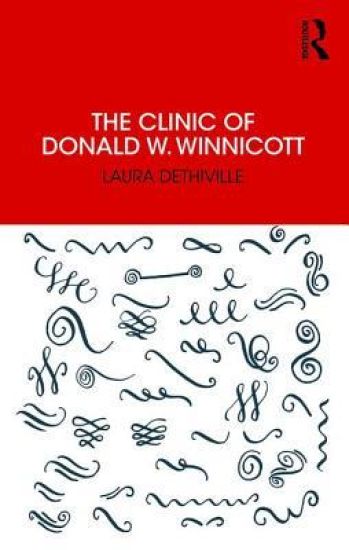
The Clinic of Donald W. Winnicott

The Clinic of Donald W. Winnicott

Laura Dethiville

Routledge
2018
nidottu
Paediatric psychoanalyst Donald W. Winnicott is widely recognized as a remarkable clinician. Deprivation, regression, play, antisocial tendencies and "the use of the object" are part of the many clinical conceptions he conceived, and here Laura Dethiville explains each in a clear and precise way, highlighting Winnicott’s originality and enduring relevance. The Clinic of Donald W. Winnicott offers all readers a glimpse of what Winnicott brings to the understanding of the human being, and will appeal to students new to his work, as well as practitioners looking for a concise overview of his work.
Donald W. Winnicott

Donald W. Winnicott

Laura Dethiville

Routledge
2019
sidottu
Winnicott was continually innovating, inventing, and proposing unexpected solutions in his analytical work whenever he noticed that clinical experience "didn't stick to the theory". This approach can make his work seem rather diffuse, with concepts that are sometimes confusing and needing to be clarified. Laura Dethiville has taken on the task of re-evaluating and explaining the principal rudiments of his theories, such as the transitional object, the self, the false self, the importance of environment, and dissociation. She also reveals how Winnicott showed himself to be a forerunner in the care of symptomatic illness in our society, including his innovative treatment of loss of identity, anorexia or bulimia, delinquency, psychosomatic illness, and school disorders. In this book the author has succeeded in avoiding psychoanalytic jargon and, although initially aimed at psychoanalysts, it is also accessible for educators, child carers, paediatricians, and to all those interested in early childhood, the constitution of the psyche, and the constitution of the interpersonal link.