Kirjojen hintavertailu. Mukana 11 717 486 kirjaa ja 12 kauppaa.

Kirjahaku

Etsi kirjoja tekijän nimen, kirjan nimen tai ISBN:n perusteella.

3 kirjaa tekijältä Lauri Paltemaa

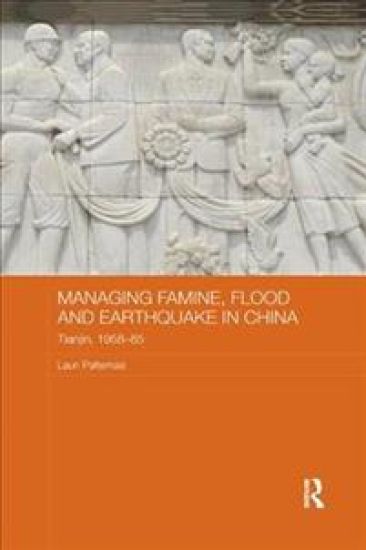
Managing Famine, Flood and Earthquake in China
China suffers frequently from many types of natural disasters, which have affected the lives of many millions of Chinese. The steps which the Chinese state has taken to prevent disasters, mitigate their consequences, and reconstruct in the aftermath of disasters are therefore key issues. This book examines the single metropolis of Tianjin in northern China, a city which has suffered particularly badly from natural disasters – the great famine of 1958-61, the great flood of 1963 and the great earthquake of 1976. It discusses how the city managed these disasters, what policies and measures were taken to prevent and mitigate disasters, and to promote reconstruction afterwards. It also explores who suffered from and who benefited from the disasters. Overall, the book shows how disaster management was erratic, sometimes managed highly efficiently and in other cases disappointingly delayed and inept. It concludes that, although the Maoist state possessed formidable resources, disaster management was always constrained by other political and economic considerations, and was never an automatic priority.
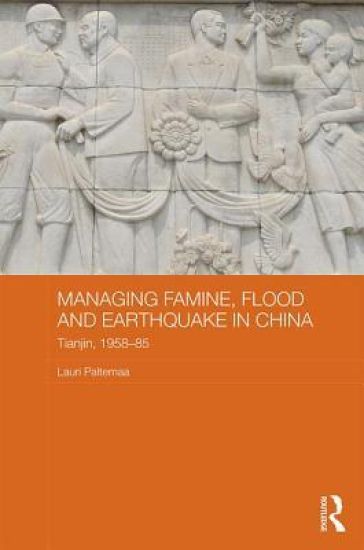
Managing Famine, Flood and Earthquake in China
China suffers frequently from many types of natural disasters, which have affected the lives of many millions of Chinese. The steps which the Chinese state has taken to prevent disasters, mitigate their consequences, and reconstruct in the aftermath of disasters are therefore key issues. This book examines the single metropolis of Tianjin in northern China, a city which has suffered particularly badly from natural disasters – the great famine of 1958-61, the great flood of 1963 and the great earthquake of 1976. It discusses how the city managed these disasters, what policies and measures were taken to prevent and mitigate disasters, and to promote reconstruction afterwards. It also explores who suffered from and who benefited from the disasters. Overall, the book shows how disaster management was erratic, sometimes managed highly efficiently and in other cases disappointingly delayed and inept. It concludes that, although the Maoist state possessed formidable resources, disaster management was always constrained by other political and economic considerations, and was never an automatic priority.
Lyhyt johdatus Kiinan historiaan

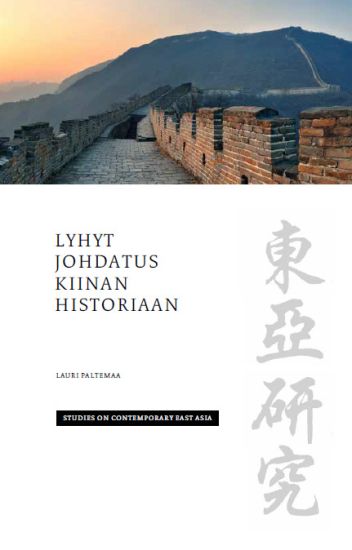
Lyhyt johdatus Kiinan historiaan

Lauri Paltemaa

Turun yliopisto Itä-Aasian tutkimus- ja koulutuskeskus
2018
nidottu
Lyhyt johdatus Kiinan historiaan tarjoaa lukijalle yleisesityksen yhden maailman vanhimman sivilisaation historiasta. Teos käy läpi Kiinan historian esihistoriasta nykyaikaan keskittyen suuriin kehityslinjoihin ja -vaiheisiin sekä jättiläismaan yhteiskunnan ja politiikan muutoksiin. Kirja on tarkoitettu Kiinan historian opintoja aloittaville opiskelijoille ja Kiinan menneisyydestä kiinnostuneille.