Kirjojen hintavertailu. Mukana 12 016 292 kirjaa ja 12 kauppaa.

Kirjahaku

Etsi kirjoja tekijän nimen, kirjan nimen tai ISBN:n perusteella.

30 kirjaa tekijältä Lea Ypi

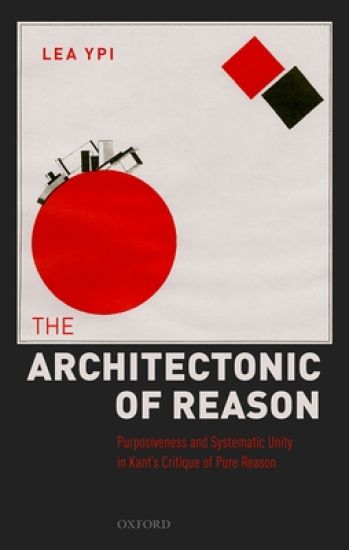
The Architectonic of Reason

The Architectonic of Reason

Lea Ypi

Oxford University Press
2021
sidottu
The Architectonic of Pure Reason, one of the most important sections of Kant's first Critique, raises three fundamental questions. What can I know? What should I do? What may I hope? Taken together these questions converge on a fourth one, which is at the centre of philosophy as a whole: what is the human being? Lea Ypi suggests that the answer to this question is tied to a particular account of the unity of reason - one that stresses its purposive character. By focusing on the sources, evolution and function of Kant's concept of purposiveness, this book shows that the idea of purposiveness that Kant endorses in the Critique of Pure Reason is a concept of purposiveness as intelligent design, quite different from the concept of purposiveness as normativity that will become central to his later works. In the case of purposiveness as design, the relationship between reason and nature is anchored to the idea of God. In the case of purposiveness as normativity, it is anchored to the concept of reflexive judgment, and grounded on transcendental freedom. Understanding this shift has important implications for some of the most difficult questions that confront the Kantian system: the passage from the system of nature to that of freedom, the relation between faith and knowledge, the philosophical defence of progress in history, and the role of religion. It is also crucial to shed light on the way in which Kant's critique has shaped the successive German philosophical tradition.
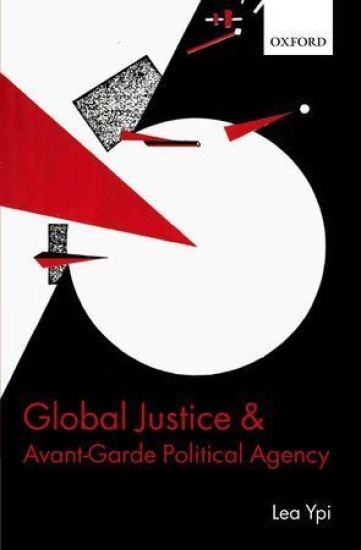
Global Justice and Avant-Garde Political Agency
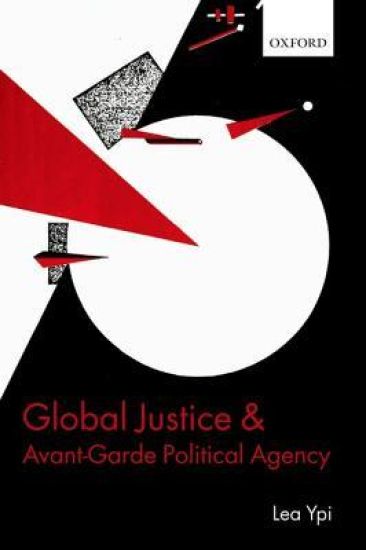
Why should states matter and how do relations between fellow-citizens affect what is owed to distant strangers? How, if at all, can demanding egalitarian principles inform political action in the real world? This book proposes a novel solution through the concept of avant-garde political agency. Ypi grounds egalitarian principles on claims arising from conflicts over the distribution of global positional goods, and illustrates the role of avant-garde agents in shaping these conflicts and promoting democratic political transformations in response to them. Against statists, she defends the global scope of equality, and derives remedial cosmopolitan principles from global responsibilities to relieve absolute deprivation. Against cosmopolitans, she shows that associative political relations play an essential role and that blanket condemnation of the state is unnecessary and ill-directed. Advocating an approach to global justice whereby domestic avant-garde agents intervene politically so as to constrain and motivate fellow-citizens to support cosmopolitan transformations, this book offers a fresh and nuanced example of political theory in an activist mode. Setting the contemporary debate on global justice in the context of recent methodological disputes on the relationship between ideal and nonideal theorizing, Ypi's dialectical account illustrates how principles and agency can genuinely interact.
Global Justice and Avant-Garde Political Agency
Why should states matter and how do relations between fellow-citizens affect what is owed to distant strangers? How, if at all, can demanding egalitarian principles inform political action in the real world? This book proposes a novel solution through the concept of avant-garde political agency. Ypi grounds egalitarian principles on claims arising from conflicts over the distribution of global positional goods, and illustrates the role of avant-garde agents in shaping these conflicts and promoting democratic political transformations in response to them. Against statists, she defends the global scope of equality, and derives remedial cosmopolitan principles from global responsibilities to relieve absolute deprivation. Against cosmopolitans, she shows that associative political relations play an essential role and that blanket condemnation of the state is unnecessary and ill-directed. Advocating an approach to global justice whereby domestic avant-garde agents intervene politically so as to constrain and motivate fellow-citizens to support cosmopolitan transformations, this book offers a fresh and nuanced example of political theory in an activist mode. Setting the contemporary debate on global justice in the context of recent methodological disputes on the relationship between ideal and nonideal theorizing, Ypi's dialectical account illustrates how principles and agency can genuinely interact.
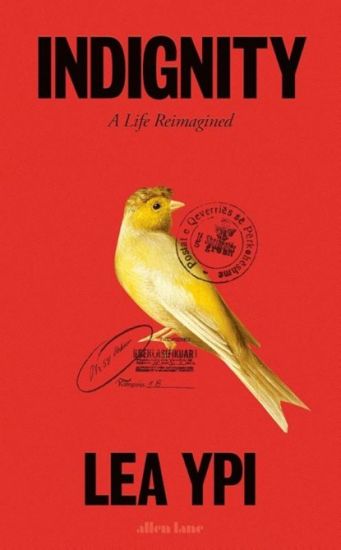
Indignity

Indignity

Lea Ypi

PENGUIN BOOKS LTD
2025
sidottu
An imaginative investigation into dignity and historical injustice through the story of a family from the fall of the Ottoman Empire to the dawn of Communism in the Balkans‘There must be hope somewhere, between memory and imagination. Perhaps it takes the form of faith in the redeeming power of art.’When Lea Ypi discovers a photo of her grandmother, Leman, honeymooning in the Alps in 1941 posted by a stranger on social media, she is faced with unsettling questions. Growing up, she was told records of her grandmother’s youth were destroyed in the early days of communism in Albania. But there Leman was with her husband, Asllan Ypi: glamorous newlyweds while World War II raged.What follows is a thrilling reimagining of the past, as we are transported to the vanished world of Ottoman aristocracy, the making of modern Greece and Albania, a global financial crisis, the horrors of war and the dawn of communism in the Balkans. While investigating the truth about her family, Ypi grapples with uncertainty. Who is the real Leman Ypi? What made her move to Tirana as a young woman and marry a socialist who sympathized with the Popular Front while his father led a collaborationist government? And why was she smiling in the winter of 1941?By turns epic and intimate, profound and gripping, Indignity explores what it means to survive in an age of extremes. It reveals the fragility of truth, both personal and political, and the cost of decisions made against the tide of history. Through secret police reports of communist spies, court depositions, and Ypi’s memories of her grandmother, we move between present and past, archive and imagination, fact and fiction. Ultimately, she asks, what do we really know about the people closest to us? And with what moral authority do we judge the acts of previous generations?
Indignity

Indignity

Lea Ypi

Penguin Books Ltd.
2025
nidottu
An imaginative investigation into dignity and historical injustice through the story of a family from the fall of the Ottoman Empire to the dawn of Communism in the Balkans'There must be hope somewhere, between memory and imagination. Perhaps it takes the form of faith in the redeeming power of art.'When Lea Ypi discovers a photo of her grandmother, Leman, honeymooning in the Alps in 1941 posted by a stranger on social media, she is faced with unsettling questions. Growing up, she was told records of her grandmother's youth were destroyed in the early days of communism in Albania. But there Leman was with her husband, Asllan Ypi: glamorous newlyweds while World War II raged.What follows is a thrilling reimagining of the past, as we are transported to the vanished world of Ottoman aristocracy, the making of modern Greece and Albania, a global financial crisis, the horrors of war and the dawn of communism in the Balkans. While investigating the truth about her family, Ypi grapples with uncertainty. Who is the real Leman Ypi? What made her move to Tirana as a young woman and marry a socialist who sympathized with the Popular Front while his father led a collaborationist government? And why was she smiling in the winter of 1941?By turns epic and intimate, profound and gripping, Indignity explores what it means to survive in an age of extremes. It reveals the fragility of truth, both personal and political, and the cost of decisions made against the tide of history. Through secret police reports of communist spies, court depositions, and Ypi's memories of her grandmother, we move between present and past, archive and imagination, fact and fiction. Ultimately, she asks, what do we really know about the people closest to us? And with what moral authority do we judge the acts of previous generations?
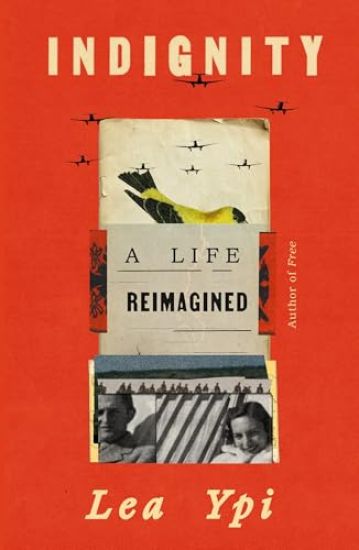
Indignity: A Life Reimagined

Indignity: A Life Reimagined

Lea Ypi

Farrar, Straus and Giroux
2025
sidottu
The author of Free returns with an extraordinary inquiry into historical injustice, dignity, truth, and imagination. When Lea Ypi discovers a photo of her grandmother, Leman, honeymooning in the Alps in 1941 posted by a stranger on social media, she is faced with unsettling questions. Growing up, she was told all records of her grandmother's youth were destroyed in the early days of communism in Albania. But there Leman was with her husband, Asllan Ypi: glamorous newlyweds while World War II raged. What follows is a thrilling reimagining of the past, spanning the vanished world of Ottoman aristocracy, the making of modern Greece and Albania, a global financial crisis, and the horrors of war and the dawn of communism in the Balkans. While investigating the truth about her family, Ypi grapples with uncertainty. Who is the real Leman Ypi? What made her move to Tirana as a young woman and meet a socialist who sympathized with the Popular Front while his father led a collaborationist government? And, above all, why was she smiling in the winter of 1941? By turns epic and intimate, profound and gripping, Indignity shows what it is like to make choices against the tide of history--and reveals the fragility of truth, collective and personal. Through secret police reports of communist spies, court depositions, and Ypi's memories of her grandmother, we move between present and past, archive and imagination. With what moral authority do we judge the acts of previous generations? And what do we really know about the people closest to us?
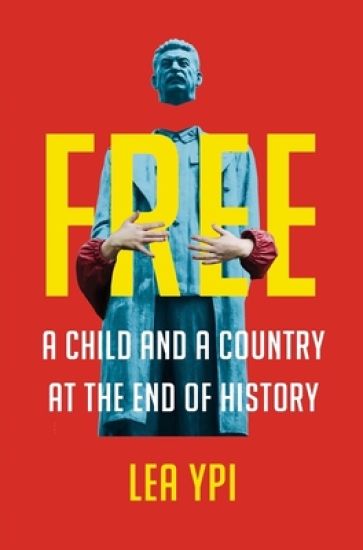
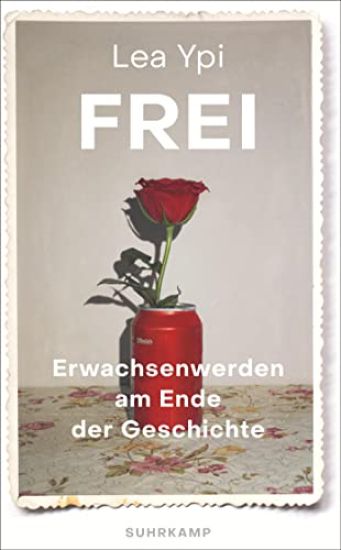
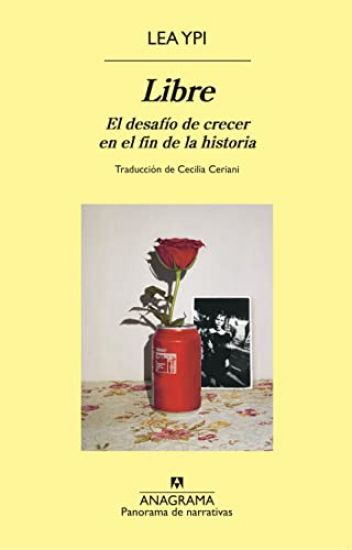
Free: A Child and a Country at the End of History
Family and nation formed a reliable bedrock of security for precocious 11-year-old Lea Ypi. She was a Young Pioneer, helping to lead her country toward the future of perfect freedom promised by the leaders of her country, the People's Socialist Republic of Albania. Then, almost overnight, the Berlin Wall fell and the pillars of her society toppled. The local statue of Stalin, whom she had believed to be a kindly leader who loved children, was beheaded by student protestors.Uncomfortable truths about her family's background emerged. Lea learned that when her parents and neighbors had spoken in whispers of friends going to "university" or relatives "dropping out," they meant something much more sinister. As she learned the truth about her family's past, her best friend fled the country. Together with neighboring post-Communist states, Albania began a messy transition to join the "free markets" of the Western world: a dystopia of pyramid schemes, organized crime, and sex trafficking. Her father, despite his radical left-wing convictions, was forced to fire workers; her mother became a conservative politician on the model of Margaret Thatcher. Lea's typical teen concerns about relationships and the future were shot through with the existential: the nation was engulfed in civil war.Ypi's outstanding literary gifts enable her to weave together this colorful, tumultuous coming-of-age story in a time of social upheaval with thoughtful, fresh, and invigorating perspective on the relation between the personal and the political, and on deep questions about freedom: What does freedom consist of, and for whom? What conditions foster it? Who among us is truly free?
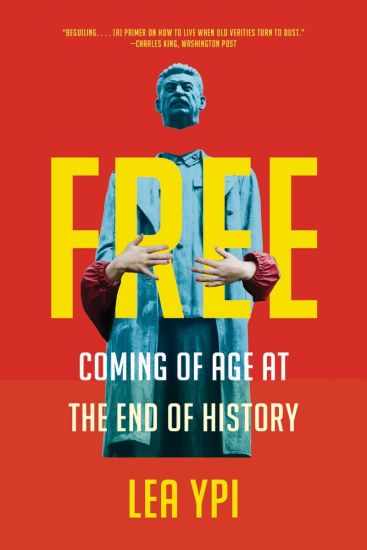
Free: Coming of Age at the End of History

Free: Coming of Age at the End of History

Lea Ypi

W. W. Norton Company
2023
nidottu
Family and nation formed a reliable bedrock of security for precocious 11-year-old Lea Ypi. She was a Young Pioneer, helping to lead her country toward the future of perfect freedom promised by the leaders of her country, the People's Socialist Republic of Albania. Then, almost overnight, the Berlin Wall fell and the pillars of her society toppled. The local statue of Stalin, whom she had believed to be a kindly leader who loved children, was beheaded by student protestors.Uncomfortable truths about her family's background emerged. Lea learned that when her parents and neighbors had spoken in whispers of friends going to "university" or relatives "dropping out," they meant something much more sinister. As she learned the truth about her family's past, her best friend fled the country. Together with neighboring post-Communist states, Albania began a messy transition to join the "free markets" of the Western world: a dystopia of pyramid schemes, organized crime, and sex trafficking. Her father, despite his radical left-wing convictions, was forced to fire workers; her mother became a conservative politician on the model of Margaret Thatcher. Lea's typical teen concerns about relationships and the future were shot through with the existential: the nation was engulfed in civil war.Ypi's outstanding literary gifts enable her to weave together this colorful, tumultuous coming-of-age story in a time of social upheaval with thoughtful, fresh, and invigorating perspective on the relation between the personal and the political, and on deep questions about freedom: What does freedom consist of, and for whom? What conditions foster it? Who among us is truly free?
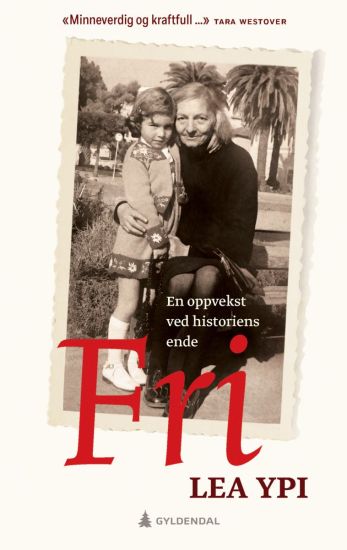
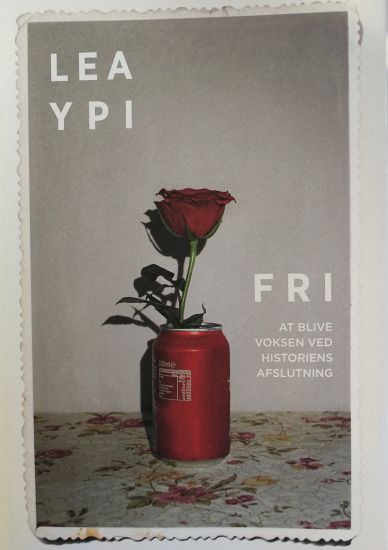
Fri; en oppvekst ved historiens ende
Elleve år gamle Lea elsker hjemlandet Albania. For henne er sosialismen ensbetydende med trygghet, sikkerhet og en lys fremtid blant likesinnede kamerater. Men en dag på vei hjem fra skolen blir hun skremt av et opptog protesterende studenter. I neste øyeblikk klamrer hun seg gråtende til en halshugget statue av Josef Stalin.I løpet av noen få dager raser hele hennes verden sammen. Foreldrene har løyet for henne og snakket i koder hele livet. Familiebakgrunnen er ikke hva Lea trodde den var. Alt som før var trygt, er brått ukjent og uforståelig.Fri handler om hva som skjedde da Europas siste sosialistiske fyrtårn sluknet: hvordan overgangen fra en sosialistisk stat til et fritt marked førte til korrupsjon, kaos og kriminalitet. Den handler om hva frihet er, og om hva som skjer når et ungt menneske får hele sitt verdigrunnlag, sin identitet og sannhet revet vekk under føttene.Denne prisvinnende boken er under utgivelse i 25 land.
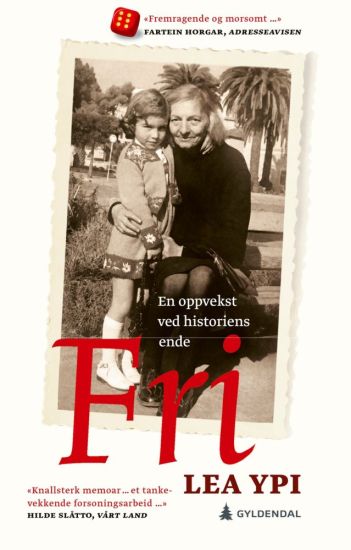
Fri

Fri

Lea Ypi

Gyldendal
2023
pokkari
Elleve år gamle Lea elsker hjemlandet Albania. For henne er sosialismen ensbetydende med trygghet, sikkerhet og en lys fremtid blant likesinnede kamerater. Men en dag på vei hjem fra skolen blir hun skremt av et opptog protesterende studenter. I neste øyeblikk klamrer hun seg gråtende til en halshugget statue av Josef Stalin.I løpet av noen få dager raser hele hennes verden sammen. Foreldrene har løyet for henne og snakket i koder hele livet. Familiebakgrunnen er ikke hva Lea trodde den var. Alt som før var trygt, er brått ukjent og uforståelig.Fri handler om hva som skjedde da Europas siste sosialistiske fyrtårn sluknet: hvordan overgangen fra en sosialistisk stat til et fritt marked førte til korrupsjon, kaos og kriminalitet. Den handler om hva frihet er, og om hva som skjer når et ungt menneske får hele sitt verdigrunnlag, sin identitet og sannhet revet vekk under føttene.Denne prisvinnende boken er under utgivelse i 25 land.
Fri

Fri

Lea Ypi

Informations Forlag
2021
sidottu
Lea Ypi er vokset op i det kommunistiske Albanien. Det var et land præget af knaphed, politiske henrettelser og hemmeligt politi. Og der, Ypi havde hjemme. Folk var lige, naboer hjalp hinanden, og man forventede, at de nye generationer ville skabe en bedre fremtid. Efter murens fald forandrede alt sig. Statuerne af Stalin og Hoxha blev væltet, og folk kunne nu stemme og tilbede de guder, de ville. Men arbejdspladser forsvandt og tusinder forsøgte at flygte til Italien. Pyramidespil fik landet til at gå statsbankerot og ledte til voldelig konflikt. Efterhånden som en generations forhåbninger blev afløst af en ny generations desillusion, begyndte Ypi at sætte spørgsmålstegn ved, hvad frihed overhovedet vil sige. Fri er et fængslende erindringsværk om at blive voksen midt i voldsomme politiske omvæltninger. Lea Ypi (f. 1979) er professor i politisk teori ved London School of Economics. Hun har udgivet en lang rækkebøger om kapitalisme, globalisering, migration og kolonialisme. Hun har modtaget adskillige priser for sin forskning og skriver politiske analyser for The Guardian.Anmeldelser:"Forbløffende øjenåbnende og dybt rørende… Ypi væver magi ind i denne bog: Jeg var fortryllet fra start til slut." - The Sunday Times"Vidunderligt sjov og bevægende… en fortælling om familiehemmeligheder og politisk opvågning i et smuldrende regime. En af årets fagbøger." - The Guardian"Det er pendulering mellem flot leveret historieundervisning og et virkelig interessant selvportræt af en identitets- og ståstedssøgende kvinde, der gør Fri til en fornøjelse at bruge tid på." - ???? Berlingske"Glimrende… Det giver forbløffende meget mening at læse om den nyere albanske historie lige nu her i en omvæltningernes tid." - Information"Medrivende og detaljerig." - Weekendavisen"Lea Ypi skriver fabelagtigt om, hvordan frigørelse kan munde ud i ufrihed." - Djøfbladet
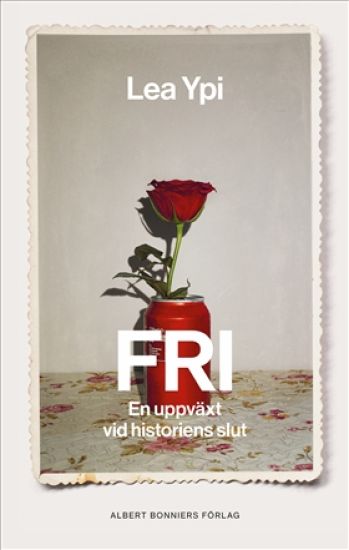
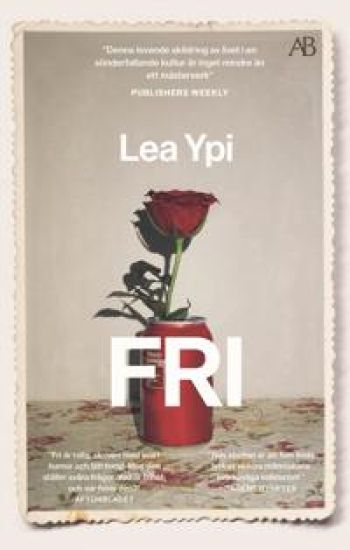
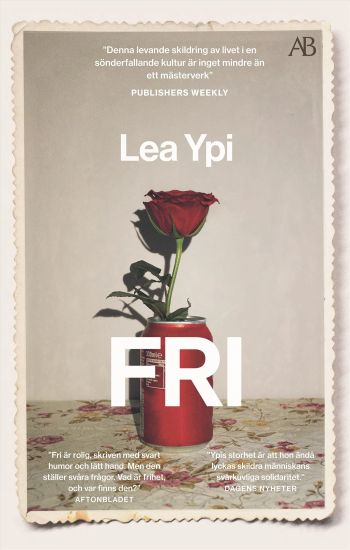
Fri : en uppväxt vid historiens slut

Fri : en uppväxt vid historiens slut

Lea Ypi

Albert Bonniers Förlag
2022
sidottu
Lea växer upp i det stalinistiska Albanien. Det är en tillvaro präglad av isolering, övervakning och umbäranden. Men Lea anar inget av detta. Hon är stolt över sitt fria och jämlika land, och helt ovetande om det pris hennes familj betalat för att överleva. År 1990 ändras allt. Regimen faller, men den nyvunna friheten visar snart ett annat ansikte, också det brutalt och skoningslöst.Fri – En uppväxt vid historiens slut är en överväldigande och knivskarp berättelse om att växa upp i skiftet mellan kommu­nism och kapitalism.
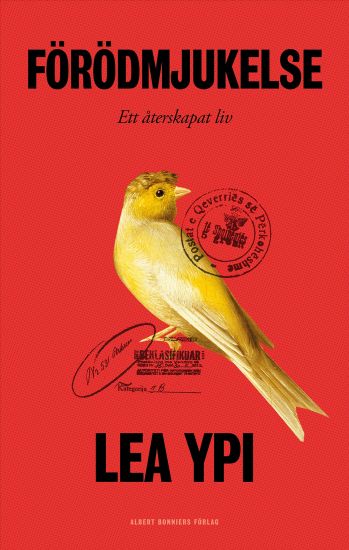
Förödmjukelse

Förödmjukelse

Lea Ypi

Albert Bonniers Förlag
2025
sidottu
Det börjar med ett okänt fotografi: en ung kvinna på lyxig bröllopsresa i Alperna, mitt under brinnande världskrig 1941. Långt senare ska bilden på kvinnan förbrylla hennes barnbarn Lea. Alla familjedokument hade ju försvunnit när kommunisterna tog makten i Albanien. Vad gjorde farmor Leman där? Fotot blir startskottet för en vindlande resa in i arkiven. I Förödmjukelse fortsätter Lea Ypi den granskning av sin släkthistoria som påbörjades i hyllade Fri. Det är ett verk som tar med läsaren till det sönderfallande Ottomanska riket, när hela Europa står på randen till ett sammanbrott, men som framför allt ställer frågor om de val vi gör i livet, i en tid när allt – liksom i vår tid – står och väger.
Fri : en uppväxt vid historiens slut

Fri : en uppväxt vid historiens slut

Lea Ypi

Albert Bonniers Förlag
2024
pokkari
Lea växer upp i det stalinistiska Albanien. Det är en tillvaro präglad av isolering, övervakning och umbäranden. Men Lea anar inget av detta. Hon är stolt över sitt fria och jämlika land, och helt ovetande om det pris hennes familj betalat för att överleva. År 1990 ändras allt. Regimen faller, men den nyvunna friheten visar snart ett annat ansikte, också det brutalt och skoningslöst.Fri – En uppväxt vid historiens slut är en överväldigande och knivskarp berättelse om att växa upp i skiftet mellan kommu­nism och kapitalism.
Fri : en uppväxt vid historiens slut

Fri : en uppväxt vid historiens slut

Lea Ypi

Albert Bonniers Förlag
2024
isokokoinen pokkari
”Jag har inte på länge läst en så omvälvande, insiktsfull och samhällskritisk berättelse där idéerna verkligen blivit människor.” Sveriges radio”Fri är komisk, spännande, sorglig, dramatisk. Och viktig: Ypi sätter på spel, individens relation till samhället, till andra – och till sig själv.” Expressen”Fri är rolig, skriven med svart humor och lätt hand. Men den ställer svåra frågor. Vad är frihet, och var finns den? Ypi är en skarp politisk teoretiker som vill komplicera ideologiernas teoretiska modeller.” Aftonbladet”Ypis storhet är att hon ändå lyckas skildra människans svårkuvliga solidaritet.” Dagens Nyheter”Jag kan inte tänka mig mer angelägen läsning detta val-, krigs- och krisår.” Svenska Dagbladet”En djuplodande personlig historia som drabbar och berör.” Tara Westover”Underbart rolig och gripande … en berättelse om familjehemligheter och uppvaknande” Observer”Totalt fängslande … briljant observerad och politiskt nyanserad - och bäst av allt – en rolig och viktig bok.” Guardian”En blivande klassiker” TLS”Om du bara läser en memoar detta år, låt det bli denna.” Sunday TimesLea växer upp i det stalinistiska Albanien. Det är en tillvaro präglad av isolering, övervakning och umbäranden. Men Lea anar inget av detta. Hon är stolt över sitt fria och jämlika land, och helt ovetande om det pris hennes familj betalat för att överleva. År 1990 ändras allt. Regimen faller, men den nyvunna friheten visar snart ett annat ansikte, också det brutalt och skoningslöst.Fri – En uppväxt vid historiens slut är en överväldigande och knivskarp berättelse om att växa upp i skiftet mellan kommu­nism och kapitalism.