Kirjojen hintavertailu. Mukana 11 244 527 kirjaa ja 12 kauppaa.

Kirjahaku

Etsi kirjoja tekijän nimen, kirjan nimen tai ISBN:n perusteella.

9 kirjaa tekijältä Lene Rachel Andersen

Bildung

Bildung

Lene Rachel Andersen

-
2020
pokkari
Bildung is moral and emotional maturity. Bildung is also to have the education and knowledge necessary to thrive in your society; bildung is to be deeply embedded in culture and community while having the autonomy to carve your own path in life. Bildung is always personal and unique. Bildung is a German word that has no word in English. Beginning in the 1770s, German philosophers explored bildung as a secular form of inner development and it became popular among the bourgeoisie. In Denmark, a pastor realized in the 1830s that the peasants needed bildung too, and he envisioned a new kind of school: the folk-high-school. In 1851, a Danish teacher, Christen Kold, figured out how to teach in such a way that young farmhands learned to think for themselves: he told them moving stories and let them ask questions. Once he had their attention, he could teach them new farming techniques, science, philosophy, history, religion, literature, art, economic theory, and political science. Norway, Sweden and Finland copied the folk-high-school concept in the 1860s and by 1900, a critical mass of youngsters in the Nordic countries had upgraded their skills and their thinking, and the Nordics had gone from being among the poorest countries in Europe to being among the richest. This development and the bildung that carried it also meant that the Nordics made the transition from agricultural feudal societies to modern, democratic, industrialized nation-states peacefully. As we are facing new challenges from digitization, globalization, a pandemic and environmental changes we need bildung for the 21st century and the book concludes by exploring what that might look like.
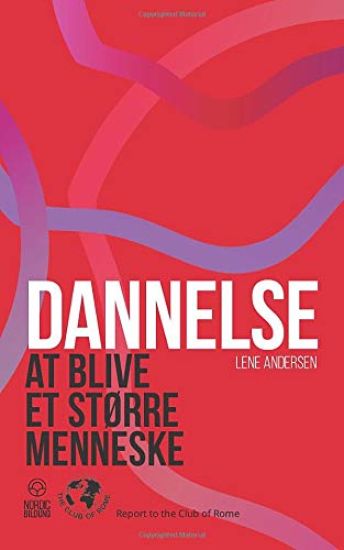
Dannelse

Dannelse

Lene Rachel Andersen

-
2020
pokkari
Dannelse er moralsk og følelsesmæssig modenhed. Dannelse er også at have den uddannelse og viden, som gør, at man kan trives i sit samfund; dannelse er at være dybt integreret i kulturen og samfundet, samtidig med at man har autonomi. Dannelse er altid personlig og unik. Dannelsesbegrebet forstået som en sekulær form for indre udvikling blev skabt af tyske filosoffer fra og med 1770’erne, og dannelse blev derefter populært i borgerskabet. I Danmark indså Grundtvig, at dannelse også var nødvendig for bønderne, og han opfandt idéen om folkehøjskolerne. Det blev dog Christen Kold, der for alvor fandt ud af, hvordan man underviser, så det bliver til dannelse, også for bønderkarle og -piger. Kold læste historier for dem og lod dem stille spørgsmål. Når først han havde fanget deres opmærksomhed, kunne han give dem kundskab og diskutere nye landbrugsteknikker, videnskab, filosofi, historie, religion, litteratur, kunst, økonomi og politik. Norge, Sverige og Finland kopierede folkehøjskolerne fra 1860’erne. Omkring 1900 havde så mange unge været på højskole og fået forbedret deres viden og tænkning, at Norden havde udviklet sig fra at være blandt de fattigste lande i Europa til at være blandt de rigeste. Denne udvikling og den dannelse, der bar den, betød også, at Norden gik fredeligt gennem overgangen fra feudale landbrugssamfund til moderne, demokratiske, industrialiserede nationalstater. Nu står vi ansigt til ansigt med nye udfordringer fra digitalisering, globalisering, pandemi og miljøforandringer, og vi har brug for en dannelse, der matcher det 21. århundrede. Bogens sidste del filosoferer over, hvordan en sådan kan se ud.
Libertism

Libertism

Lene Rachel Andersen

-
2022
pokkari
What kind of future would we like? Freedom, security, prosperity, lush nature, and meaningful lives for all? Or a tech defined world where a handful of people own the algorithms and do not care about the planet and the well-being of the many?As humans, we live in several systems: some are natural, some are human-made and cultural. The systems of nature we cannot escape or change, such as the forces of gravity and electromagnetism; the systems made by humans we can design as we please, such as the economy and the internet. Libertism is about knowing the difference and choosing what to do with it. How do we harvest the most sustainable prosperity from the natural systems without ruining them, and how do we design the most sustainable cultural systems so that everybody can enjoy a prosperous and meaningful life in freedom and peace?
Libertisme

Libertisme

Lene Rachel Andersen

-
2023
pokkari
Hvilken fremtid vil vi gerne have? Frihed, tryghed, velstand, frodig natur og et meningsfuldt liv for alle? Eller en verden defineret af teknologien, hvor en lille håndfuld personer ejer algoritmerne og er ligeglade med planeten og alle andres velbefindende? Som mennesker lever vi i flere systemer: nogle er naturlige, andre er skabt af mennesker. Naturens systemer kan vi ikke undslippe eller ændre, fx tyngdekraften og termodynamikken; de menneskeskabte systemer kan vi designe, som det passer os, fx økonomien og internettet. Libertisme handler om at forstå forskellen og vælge, hvad vi vil med det. Hvordan høster vi den mest bæredygtige velstand fra naturens systemer uden at ødelægge dem, og hvordan kan vi designe de mest bæredygtige kulturelle systemer, så alle kan nyde velstand og et meningsfuldt liv i fred og frihed?
Libertism

Libertism

Lene Rachel Andersen

Nordic Bildung
2022
pokkari
What kind of future would we like? Freedom, security, prosperity, lush nature, and meaningful lives for all? Or a tech defined world where a handful of people own the algorithms and do not care about the planet and the well-being of the many? As humans, we live in several systems: some are natural, some are human-made and cultural. The systems of nature we cannot escape or change, such as the forces of gravity and electromagnetism; the systems made by humans we can design as we please, such as the economy and the internet. Libertism is about knowing the difference and choosing what to do with it. How do we harvest the most sustainable prosperity from the natural systems without ruining them, and how do we design the most sustainable cultural systems so that everybody can enjoy a prosperous and meaningful life in freedom and peace?
The Nordic Secret

The Nordic Secret

Lene Rachel Andersen

Nordic Bildung
2024
pokkari
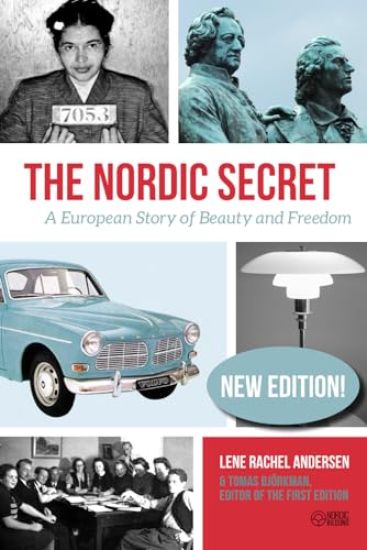
Surveys show that the Nordic countries have strong democracies, are among the best for business and startups, score high on human capital, have the most liveable cities, happiest peoples, strong economies, and much more...How did the Nordics get there?And what is Rosa Parks doing on the cover?The Nordic Secret first came out in 2017 and has inspired people around the globe. Discover how Denmark, Norway, and Sweden went from dirt poor agricultural societies in 1850 to wealthy, modern nations by 1920. Go on an amazing journey together with pastors, poets, common people, some Danish royals, and the so-called schoolmen as they lifted Scandinavia from the bottom. The heroes of this transformation: a stubborn school teacher and some young farmhands.As new technologies and globalization are revamping our societies, what can we learn from the past and from the Nordics, and how they transformed during industrialization? And how can we approach human flourishing and meaning-making in times of great change?
Polymodernity

Polymodernity

Lene Rachel Andersen

-
2023
pokkari
The world is changing. Our old knowledge and general understanding of the world do not provide sufficient answers anymore. As our old understandings and the answers we get from them are insufficient, the ways we are used to react and behave do not work well anymore either. Social norms that used to make us come across as polite and friendly are suddenly offensive to some; a good education that used to lead to a good job is outdated when you receive your diploma. Our cultural compass cannot contain and judge the world properly because the challenges we are facing were not a part of our world when we came of age and learned what the world was like.Polymodernity provides us with a framework for understanding ourselves and our societies in a more complex way. Polymodernity is a way of strengthening local, national, continental, and global cultural heritage among all. It thus has the potential to dismantle the fear of losing one’s culture as the global economy as well as the internet and exponential technologies are disrupting our current modes of societal organization and governance.THIS BOOK WAS PREVIOUSLY PUBLISHED UNDER THE NAME METAMODERNITY.
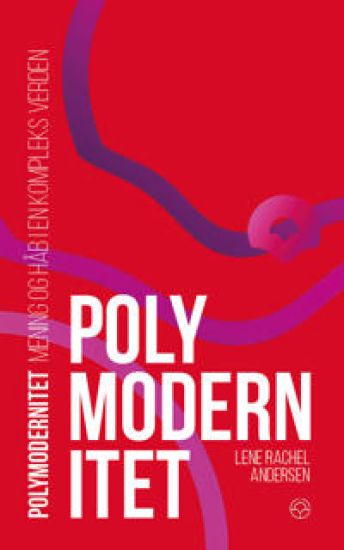
Polymodernitet

Polymodernitet

Lene Rachel Andersen

-
2023
pokkari
Verden forandres, og vores gamle viden og forståelse giver ikke tilstrækkelige svar længere. I takt med at de bliver utilstrækkelige, fungerer vores gamle måder at reagere og agere på i stadig mindre grad. Sociale normer og opførsel, som plejede at gøre et godt indtryk, opfattes pludselig som krænkende, og en god uddannelse, der plejede at føre til et godt job, er forældet, stort set det øjeblik man står med eksamensbeviset i hånden. Vores kulturelle kompas kan ikke rumme og bedømme verden godt nok længere. For de situationer og udfordringer, vi står overfor, var ikke en del af vores virkelighed, da vi voksede op og lærte, hvordan verden hænger sammen.Polymoderniteten giver os en ramme, hvori vi kan forstå os selv og vores samfund på en mere kompleks måde. Polymodernitet er en måde at styrke både lokal, national, kontinental og global kulturel arv for alle. Dermed er det også en mulighed for at afmontere noget af den frygt, som mange har, for at de kommer til at miste deres kultur og tryghed, når den globale økonomi, internettet og de eksponentielle teknologier disrupter vores nuværende samfundsmodel.DENNE BOG HAR TIDLIGERE VÆRET UDGIVET UNDER NAVNET METAMODERNITET
Det vigtige, det egentlige og meningen med det hele
Lige nu står vi på kanten af, hvad det system, vi kender, kan bære. Og med system tænker Lene Rachel Andersen på helheden af vejrsystemer, natursystemer, politiske systemer, lovgivning og menneskelige behov samt vores evne til at begribe verden. Vi løser ikke de problemer, vi har; vi løser dem, vi forstår. Og lige nu står vi ved kanten af, hvad vores politiske systemer kan håndtere. Vi står ved kanten af, hvad vi har ord for og kan begribe. Både som individer og som fælles­skaber. Problemkomplekset eller polykrisen er så stor og kompleks, at nationalstater­nes demokrati kun kan løse en stadig mindre del. Vi står så at sige med det ene ben i en verden, vi kender, og det andet ben i en verden, hvor der ikke er fast grund under fødderne endnu. Vi er den første generation i menneskehedens historie, der står i så store udfordringer. Vi er måske også den sidste. Derfor skal vi forstå verden på nye måder og vælge klogt. Vi kan ikke bestemme udfaldet, men vi kan vælge, hvad vi vil tilføre udviklingen. Både som individer og som samfund. Og lige netop der, har vi uanede valgmuligheder. Især i Danmark.