Kirjojen hintavertailu. Mukana 11 717 486 kirjaa ja 12 kauppaa.

Kirjahaku

Etsi kirjoja tekijän nimen, kirjan nimen tai ISBN:n perusteella.

7 kirjaa tekijältä Linda Mitchell

Grammar Wars

Grammar Wars

Linda Mitchell

Routledge
2019
nidottu
This title was first published in 2001: Although 17th- and 18th-century English language theorists claimed to be correcting errors in grammar and preserving the language from corruption, this new study demonstrates how grammar served as an important cultural battlefield where social issues were contested. Author Linda C. Mitchell situates early modern linguistic discussions, long thought to be of little interest, in their larger cultural and social setting to show the startling degree to which grammar affected, and was affected by, such factors as class and gender. In her examination of the controversies that surrounded the teaching and study of grammar in this period, Mitchell looks especially at changing definitions and standardization of "grammar", how and to whom it was taught, and how grammar marked the social position of marginal groups. Her comprehensive study of the contexts in which grammar was intended or thought to function is based on her analysis of the ancillary materials - prefaces, introductions, forewords, statements of intent, organization of materials, surrounding materials, and manifestos of pedagogy, philosophy, and social or political goals - of more than 300 grammar texts of the time. The book is intended as a landmark study of an important movement in the foundation of the modern world.
Grammar Wars

Grammar Wars

Linda Mitchell

Routledge
2017
sidottu
This title was first published in 2001: Although 17th- and 18th-century English language theorists claimed to be correcting errors in grammar and preserving the language from corruption, this new study demonstrates how grammar served as an important cultural battlefield where social issues were contested. Author Linda C. Mitchell situates early modern linguistic discussions, long thought to be of little interest, in their larger cultural and social setting to show the startling degree to which grammar affected, and was affected by, such factors as class and gender. In her examination of the controversies that surrounded the teaching and study of grammar in this period, Mitchell looks especially at changing definitions and standardization of "grammar", how and to whom it was taught, and how grammar marked the social position of marginal groups. Her comprehensive study of the contexts in which grammar was intended or thought to function is based on her analysis of the ancillary materials - prefaces, introductions, forewords, statements of intent, organization of materials, surrounding materials, and manifestos of pedagogy, philosophy, and social or political goals - of more than 300 grammar texts of the time. The book is intended as a landmark study of an important movement in the foundation of the modern world.

Keto Cookbook For Beginners

Keto Cookbook For Beginners

Linda Mitchell

Books on Demand
2021
pokkari
The ketogenic diet is a very low-carb, high-fat and adequate-protein diet for people with certain medical conditions. It has many therapeutic benefits that come with it such as improvement in mood, energy levels, body composition, weight loss and more. Although the keto diet is not for everyone as some people may feel a little uncomfortable adapting to such a drastic change in their food intake. However, many others are eager to try it out for themselves due to its amazing benefits Keto Diet Overview The best way to break down the Keto Diet is by breaking down some terms: Carbohydrate - Any or all forms of carbohydrates that are found in foods you eat and drink on an empty stomach. Carbohydrates are broken down in your digestive tract and released into the bloodstream as glucose, also known as blood sugar. Fat - Fat is a molecule found in food that provides energy, structure, and protection to all types of cells in the body. It also transports some vitamins (A, D, E and K) throughout the body. Fats are made up of an array of fatty acids that differ in size and shape. Some examples include short and medium-chain fats (found in butter), along with long-chain fats (found in coconut oil). Protein - Proteins are made up chains of amino acids which serve as the building blocks for every cell, tissue, organ and system in the human body. They also make up your hair, skin and nails. Some key examples of protein rich foods are: chicken, eggs, salmon, beef and pork. Carbs vs. Proteins Keto Diet Carbohydrates (CHO): Nuts, legumes, whole grains and most fruits are the most common sources of CHO that consume. Foods containing CHO raise blood sugar levels the quickest and trigger insulin production which can lead to fat storage if a person consumes more CHO than they need. Keto Diet Proteins (PRO): Chicken breast, egg whites and cheese are the most common protein sources in the keto diet. PRO can be converted into glucose but at a slower rate than CHO due to their structure. Whe
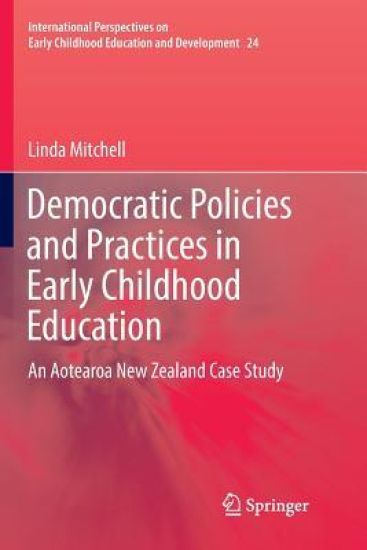
Democratic Policies and Practices in Early Childhood Education
This book uses case studies of Aotearoa New Zealand policy formulation and practice to explore early childhood education and care (ECEC) as a site for democratic citizenship and social justice. Addressing fundamental questions about the purpose of education, it argues for explicit values focusing on children and childhood as a basis for ECEC policy to replace discourses of economic investment and child vulnerability that are dominant within policy goals in many countries. A commitment to democracy and equity is a good place to start. Aotearoa New Zealand is of special interest because of its world-renowned ECE curriculum, Te Whariki, which is based on principles of social justice, respect for rights and an aim to support children growing up in a democracy. The curriculum upholds Maori rights to tino rangatiratanga (absolute authority over their lives and resources). Yet, Aotearoa New Zealand’s extreme market policies and harsh labour laws during recent periods run contrary to idealsof democracy and are puzzlingly inconsistent with curriculum principles. The book starts with an analysis and critique of global trends in ECEC in countries that share capitalist mixed economies of welfare, and where competition and marketisation have become dominant principles. It then analyses ideas about children, childhood and ECEC within a framework of democracy, going back to the Athenean origins of democracy and including recent literature on meanings and traditions of democracy in education. The book uses vivid examples from researching curriculum, pedagogy and assessment practices within Aotearoa New Zealand ECEC settings and collective action to influence policy change in order to illustrate opportunities for democratic education. It concludes by examining what conditions might be needed for integrated and democratic ECEC provision in Aotearoa New Zealand, and what changes are necessary for the future. It offers a compass not a map; it points to promising directions and provides insights into issues in ECEC policy and practice that are of current global concern.
Democratic Policies and Practices in Early Childhood Education
This book uses case studies of Aotearoa New Zealand policy formulation and practice to explore early childhood education and care (ECEC) as a site for democratic citizenship and social justice. Addressing fundamental questions about the purpose of education, it argues for explicit values focusing on children and childhood as a basis for ECEC policy to replace discourses of economic investment and child vulnerability that are dominant within policy goals in many countries. A commitment to democracy and equity is a good place to start. Aotearoa New Zealand is of special interest because of its world-renowned ECE curriculum, Te Whariki, which is based on principles of social justice, respect for rights and an aim to support children growing up in a democracy. The curriculum upholds Maori rights to tino rangatiratanga (absolute authority over their lives and resources). Yet, Aotearoa New Zealand’s extreme market policies and harsh labour laws during recent periods run contrary to idealsof democracy and are puzzlingly inconsistent with curriculum principles. The book starts with an analysis and critique of global trends in ECEC in countries that share capitalist mixed economies of welfare, and where competition and marketisation have become dominant principles. It then analyses ideas about children, childhood and ECEC within a framework of democracy, going back to the Athenean origins of democracy and including recent literature on meanings and traditions of democracy in education. The book uses vivid examples from researching curriculum, pedagogy and assessment practices within Aotearoa New Zealand ECEC settings and collective action to influence policy change in order to illustrate opportunities for democratic education. It concludes by examining what conditions might be needed for integrated and democratic ECEC provision in Aotearoa New Zealand, and what changes are necessary for the future. It offers a compass not a map; it points to promising directions and provides insights into issues in ECEC policy and practice that are of current global concern.