Kirjojen hintavertailu. Mukana 11 713 948 kirjaa ja 12 kauppaa.

Kirjahaku

Etsi kirjoja tekijän nimen, kirjan nimen tai ISBN:n perusteella.

30 kirjaa tekijältä Lisa Hopkins

Relocating Shakespeare and Austen on Screen

Relocating Shakespeare and Austen on Screen

Lisa Hopkins

Palgrave Macmillan
2009
sidottu
Lisa Hopkins analyzes eight film adaptations which have taken either Shakespeare or Jane Austen - icons of Englishness - out of their original geographical or cultural context and transposed them to a new location, allowing for a powerful interrogation both of what these texts mean in the modern world, and of Englishness itself.
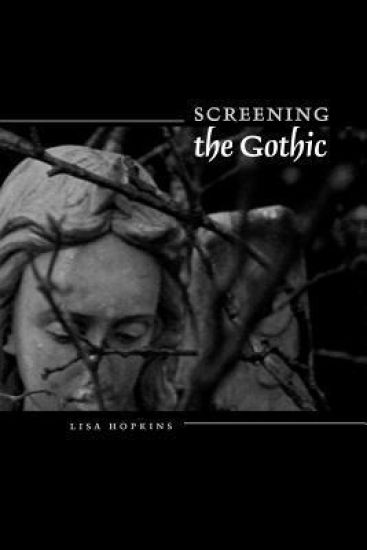
Screening the Gothic

Screening the Gothic

Lisa Hopkins

University of Texas Press
2005
pokkari
Filmmakers have long been drawn to the Gothic with its eerie settings and promise of horror lurking beneath the surface. Moreover, the Gothic allows filmmakers to hold a mirror up to their own age and reveal society's deepest fears. Franco Zeffirelli's Jane Eyre, Francis Ford Coppola's Bram Stoker's Dracula, and Kenneth Branagh's Hamlet are just a few examples of film adaptations of literary Gothic texts. In this ground-breaking study, Lisa Hopkins explores how the Gothic has been deployed in these and other contemporary films and comes to some surprising conclusions. For instance, in a brilliant chapter on films geared to children, Hopkins finds that horror resides not in the trolls, wizards, and goblins that abound in Harry Potter, but in the heart of the family. Screening the Gothic offers a radical new way of understanding the relationship between film and the Gothic as it surveys a wide range of films, many of which have received scant critical attention. Its central claim is that, paradoxically, those texts whose affiliations with the Gothic were the clearest became the least Gothic when filmed. Thus, Hopkins surprises readers by revealing Gothic elements in films such as Sense and Sensibility and Mansfield Park, as well as exploring more obviously Gothic films like The Mummy and The Fellowship of the Ring. Written in an accessible and engaging manner, Screening the Gothic will be of interest to film lovers as well as students and scholars.
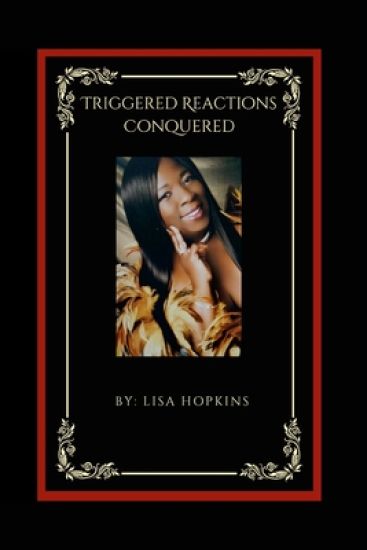
Triggered Reactions Conquered

Triggered Reactions Conquered

Lisa Hopkins

Mason Publishing Company.
2022
pokkari
My innocence, gone at 10 years old. Rape, molestation, alcoholism, lies, abomination, confusion and insanity. Just to name a few circumstances that I had encountered. It all started when I was 10 years old. How does a person overcome this type of turmoil, what would I have to do to endure. Should I run and hide, bury my face in the sand with my hands on top of my head. Many have had challenges in life that they had to overcome. I am sharing very intricate portions of my life. This is an effort to prove that there is hope for a future of success.
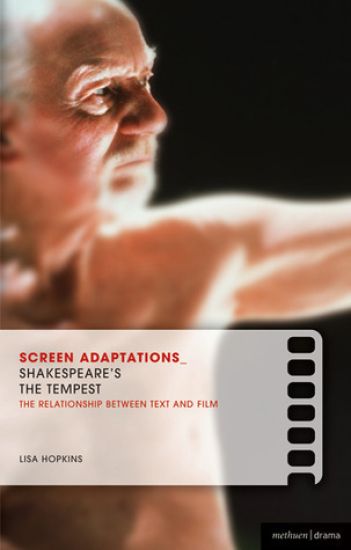
Screen Adaptations: The Tempest

Screen Adaptations: The Tempest

Lisa Hopkins

Methuen Drama
2008
nidottu
Literature and film studies students will find plenty of material to support their courses and essay writing on how the film versions provide different readings of the original text. Focussing on numerous film versions, from Percy Stow's 1908 adaptation to Peter Greenaway's Prospero's Books, the book discusses: the literary text in its historical context, key themes and dominant readings of the text, how the text is adapted for screen and how adaptations have changed our reading of the original text. There are numerous excerpts from the literary text, screenplays and shooting scripts, with suggestions for comparison. The book also features quotations from authors, screenwriters, directors, critics and others linked with the chosen film and text.
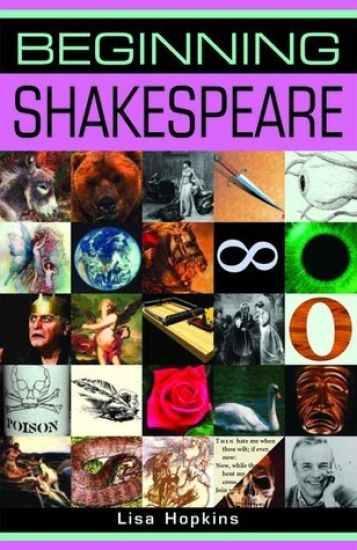
Beginning Shakespeare

Beginning Shakespeare

Lisa Hopkins

Manchester University Press
2005
nidottu
'Beginning Shakespeare' introduces students to the study of Shakespeare, and grounds their understanding of his work in theoretical discourses. After an introductory survey of the dominant approaches of the past, seven chapters examine the major current critical approaches to Shakespeare; psychoanalysis, New Historicism, Cultural Materialism, gender studies, queer theory, postcolonial criticism and performance criticism. A further chapter looks at the growing roles of biography, attribution studies and textual studies.Each chapter analyses the strengths and weaknesses of a particular perspective, allowing students to gain a clear critical purchase on the respective approaches, and to make informed choices between them. Each chapter ends with a list of suggested further reading and interactive exercises based on the key issues raised.An invaluable introduction, essential for anyone studying Shakespeare, 'Beginning Shakespeare' offers students a map of the current critical practices, and a sense of the possibilities for developing their own approaches.
The Lady’S Trial

The Lady’S Trial

Lisa Hopkins

Manchester University Press
2011
sidottu
John Ford is best known as the author of the controversial *Tis Pity She’s a Whore*, but his other plays are also full of interest. The Lady’s Trial, his last play, encapsulates the final development of his own unique theatrical aesthetic whilst looking back to the drama of his youth, most notably Othello, whose story is here rewritten. In Ford’s version, the supposedly wronged husband, the victorious general Auria, does not simply take the word of his friend, the well-intentioned but overly suspicious Aurelio, that his wife, Spinella, is unfaithful: instead he does what Othello apparently never even thinks of doing, and conducts a rational, public sifting of the apparent evidence, at the end of which Spinella is triumphantly cleared. In combining this story of public vindication with his distinctive dramatic style of delicate reticence, Ford offers a powerful exploration of both the capabilities and the limitations of language and its role in human relationships. The first scholarly edition of this undeservedly neglected play situates it in its dramatic and historical contexts and helps elucidate Ford’s understated, allusive style.
The Lady’S Trial

The Lady’S Trial

Lisa Hopkins

Manchester University Press
2015
nidottu
The Lady’s Trial, Ford's last play, encapsulates the final development of his own unique theatrical aesthetic whilst looking back to the drama of his youth, most notably Othello, whose story is here rewritten. In Ford’s version, the supposedly wronged husband, the victorious general Auria, does not simply take the word of his friend, the well-intentioned but overly suspicious Aurelio, that his wife, Spinella, is unfaithful: instead he does what Othello apparently never even thinks of doing, and conducts a rational, public sifting of the apparent evidence, at the end of which Spinella is triumphantly cleared. In combining this story of public vindication with his distinctive dramatic style of delicate reticence, Ford offers a powerful exploration of both the capabilities and the limitations of language and its role in human relationships. Newly available in paperback, the first scholarly edition of this undeservedly neglected play situates it in its dramatic and historical contexts and helps elucidate Ford’s understated, allusive style.
Christopher Marlowe, Renaissance Dramatist

Christopher Marlowe, Renaissance Dramatist

Lisa Hopkins

Edinburgh University Press
2008
sidottu
This book offers a comprehensive and accessible introduction to all of the plays of Christopher Marlowe. Marlowe is a playwright whose work taps into the central concerns of his age, many of which are still important to us - religious uncertainty, the clash between Islam and Christianity, the discovery of America, ideas of sexuality and gender identity, and the role of the marginalised inidividual in society. The book contains six chapters, each on a specific aspect of Marlowe's work and its cultural contexts: Marlowe's life and death; the Marlowe canon; the theatrical contexts and stage history of the plays; Marlowe's distinctive interest in old and new branches of knowledge; the ways in which he transgresses against established norms and values; and the major issues which have been raised in critical discussions of his plays. Each chapter allows students to see the significance, scope and distinctive contribution made by Marlowe in all his plays, and his place in the development of Renaissance drama. Key Features *Covers all of Marlowe's plays, including Tamburlaine the Great, Doctor Faustus, Edward II and The Jew of Malta *Emphasises how daring Marlowe's ideas were at the time as well as their relevance to readers today *Covers the theatrical contexts of Marlowe's plays and their performance history *Reassesses Marlowe's achievement as well as his relationship to Shakespeare
Christopher Marlowe, Renaissance Dramatist

Christopher Marlowe, Renaissance Dramatist

Lisa Hopkins

Edinburgh University Press
2008
nidottu
This book offers a comprehensive and accessible introduction to all of the plays of Christopher Marlowe. Marlowe is a playwright whose work taps into the central concerns of his age, many of which are still important to us - religious uncertainty, the clash between Islam and Christianity, the discovery of America, ideas of sexuality and gender identity, and the role of the marginalised inidividual in society. The book contains six chapters, each on a specific aspect of Marlowe's work and its cultural contexts: Marlowe's life and death; the Marlowe canon; the theatrical contexts and stage history of the plays; Marlowe's distinctive interest in old and new branches of knowledge; the ways in which he transgresses against established norms and values; and the major issues which have been raised in critical discussions of his plays. Each chapter allows students to see the significance, scope and distinctive contribution made by Marlowe in all his plays, and his place in the development of Renaissance drama. Key Features *Covers all of Marlowe's plays, including Tamburlaine the Great, Doctor Faustus, Edward II and The Jew of Malta *Emphasises how daring Marlowe's ideas were at the time as well as their relevance to readers today *Covers the theatrical contexts of Marlowe's plays and their performance history *Reassesses Marlowe's achievement as well as his relationship to Shakespeare
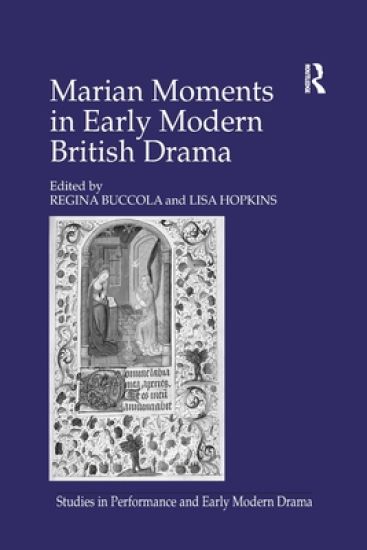
Marian Moments in Early Modern British Drama

Marian Moments in Early Modern British Drama

Lisa Hopkins

Ashgate Publishing Limited
2007
sidottu
Concerning itself with the complex interplay between iconoclasm against images of the Virgin Mary in post-Reformation England and stage representations that evoke various 'Marian moments' from the medieval, Catholic past, this collection answers the call for further investigation of the complex relationship between the fraught religio-political culture of the early modern period and the theater that it spawned. Joining historians in rejecting the received belief that Catholicism could be turned on and off like a water spigot in response to sixteenth-century religious reform, the early modern British theater scholars in this collection turn their attention to the vestiges of Catholic tradition and culture that leak out in stage imagery, plot devices, and characterization in ways that are not always clearly engaged in the business of Protestant panegyric or polemic. Among the questions they address are: What is the cultural function of dramatic Marian moments? Are Marian moments nostalgic for, or critical of, the 'Old Faith'? How do Marian moments negotiate the cultural trauma of iconoclasm and/or the Reformation in early modern England? Did these stage pictures of Mary provide subversive touchstones for the Old Faith of particular import to crypto-Catholic or recusant members of the audience?
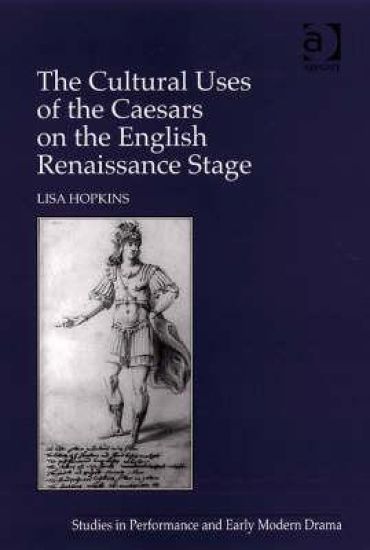
The Cultural Uses of the Caesars on the English Renaissance Stage
Caesarian power was a crucial context in the Renaissance, as rulers in Europe, Russia and Turkey all sought to appropriate Caesarian imagery and authority, but it has been surprisingly little explored in scholarship. In this study Lisa Hopkins explores the way in which the stories of the Caesars, and of the Julio-Claudians in particular, can be used to figure the stories of English rulers on the Renaissance stage. Analyzing plays by Shakespeare and a number of other playwrights of the period, she demonstrates how early modern English dramatists, using Roman modes of literary representation as cover, commented on the issues of the day and critiqued contemporary monarchs.
The Places Where There Are Spaces

The Places Where There Are Spaces

Lisa Hopkins

Friesenpress
2024
pokkari
Explore mindfulness, well-being, and the art of living a created life in this collection of thought-provoking and motivational stories. Discover the benefits of embracing the present moment and savoring the beauty in unplanned, non-specific moments that enrich our lives. Drawing from her 25-year career as a performing artist and educator, and her expertise as a life coach, Coach Lisa shares insights wholeheartedly and invites readers to reflect. Prompts at the end of each chapter encourage us to take a deeper exploration of the reasons behind our actions and inspire us to consider who we want to be in the world."In a world saturated with self-help books, every now and again a little gem comes to light, and this is one such publication. The Places Where There Are Spaces by Lisa Hopkins is a delightful collection of musings, observations and thoughts portrayed in a very down-to-earth, realistic manner. Each musing can be read and re-read, allowing the reader to create their own journey of reflection. View this book as an investment because small changes can create a big impact to ourselves and the world we engage with".- Dame Evelyn Glennie. (Solo percussionist and composer Dame Evelyn Glennie is a double GRAMMY winner, BAFTA nominee, recipient of the Polar Music Prize, the L onie Sonning Music Prize and the Companion of Honour.)
The Places Where There Are Spaces

The Places Where There Are Spaces

Lisa Hopkins

Friesenpress
2024
sidottu
Explore mindfulness, well-being, and the art of living a created life in this collection of thought-provoking and motivational stories. Discover the benefits of embracing the present moment and savoring the beauty in unplanned, non-specific moments that enrich our lives. Drawing from her 25-year career as a performing artist and educator, and her expertise as a life coach, Coach Lisa shares insights wholeheartedly and invites readers to reflect. Prompts at the end of each chapter encourage us to take a deeper exploration of the reasons behind our actions and inspire us to consider who we want to be in the world."In a world saturated with self-help books, every now and again a little gem comes to light, and this is one such publication. The Places Where There Are Spaces by Lisa Hopkins is a delightful collection of musings, observations and thoughts portrayed in a very down-to-earth, realistic manner. Each musing can be read and re-read, allowing the reader to create their own journey of reflection. View this book as an investment because small changes can create a big impact to ourselves and the world we engage with".- Dame Evelyn Glennie. (Solo percussionist and composer Dame Evelyn Glennie is a double GRAMMY winner, BAFTA nominee, recipient of the Polar Music Prize, the L onie Sonning Music Prize and the Companion of Honour.)
Shakespearean Allusion in Crime Fiction

Shakespearean Allusion in Crime Fiction

Lisa Hopkins

Palgrave Macmillan
2016
sidottu
This book explores why crime fiction so often alludes to Shakespeare. It ranges widely over a variety of authors including classic golden age crime writers such as the four ‘queens of crime’ (Allingham, Christie, Marsh, Sayers), Nicholas Blake and Edmund Crispin, as well as more recent authors such as Reginald Hill, Kate Atkinson and Val McDermid. It also looks at the fondness for Shakespearean allusion in a number of television crime series, most notably Midsomer Murders, Inspector Morse and Lewis, and considers the special sub-genre of detective stories in which a lost Shakespeare play is found. It shows how Shakespeare facilitates discussions about what constitutes justice, what authorises the detective to track down the villain, who owns the countryside, national and social identities, and the question of how we measure cultural value.
Marian Moments in Early Modern British Drama
Concerning itself with the complex interplay between iconoclasm against images of the Virgin Mary in post-Reformation England and stage representations that evoke various 'Marian moments' from the medieval, Catholic past, this collection answers the call for further investigation of the complex relationship between the fraught religio-political culture of the early modern period and the theater that it spawned. Joining historians in rejecting the received belief that Catholicism could be turned on and off like a water spigot in response to sixteenth-century religious reform, the early modern British theater scholars in this collection turn their attention to the vestiges of Catholic tradition and culture that leak out in stage imagery, plot devices, and characterization in ways that are not always clearly engaged in the business of Protestant panegyric or polemic. Among the questions they address are: What is the cultural function of dramatic Marian moments? Are Marian moments nostalgic for, or critical of, the 'Old Faith'? How do Marian moments negotiate the cultural trauma of iconoclasm and/or the Reformation in early modern England? Did these stage pictures of Mary provide subversive touchstones for the Old Faith of particular import to crypto-Catholic or recusant members of the audience?
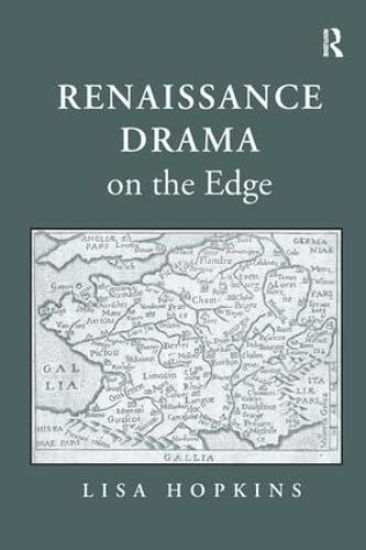
Renaissance Drama on the Edge

Renaissance Drama on the Edge

Lisa Hopkins

Routledge
2016
nidottu
Recurring to the governing idea of her 2005 study Shakespeare on the Edge, Lisa Hopkins expands the parameters of her investigation beyond England to include the Continent, and beyond Shakespeare to include a number of dramatists ranging from Christopher Marlowe to John Ford. Hopkins also expands her notion of liminality to explore not only geographical borders, but also the intersection of the material and the spiritual more generally, tracing the contours of the edge which each inhabits. Making a journey of its own by starting from the most literally liminal of physical structures, walls, and ending with the wholly invisible and intangible, the idea of the divine, this book plots the many and various ways in which, for the Renaissance imagination, metaphysical overtones accrued to the physically liminal.
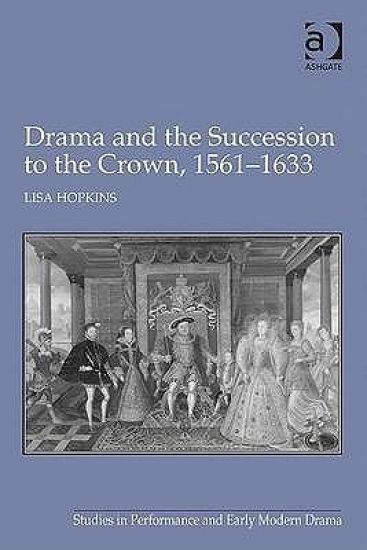
Drama and the Succession to the Crown, 1561-1633

Drama and the Succession to the Crown, 1561-1633

Lisa Hopkins

Ashgate Publishing Limited
2011
sidottu
The succession to the throne, Lisa Hopkins argues here, was a burning topic not only in the final years of Elizabeth but well into the 1630s, with continuing questions about how James's two kingdoms might be ruled after his death. Because the issue, with its attendant constitutional questions, was so politically sensitive, Hopkins contends that drama, with its riddled identities, oblique relationship to reality, and inherent blurring of the extent to which the situation it dramatizes is indicative or particular, offered a crucial forum for the discussion. Hopkins analyzes some of the ways in which the dramatic works of the time - by Marlowe, Shakespeare, Webster and Ford among others - reflect, negotiate and dream the issue of the succession to the throne.
Renaissance Drama on the Edge

Renaissance Drama on the Edge

Lisa Hopkins

Ashgate Publishing Limited
2014
sidottu
Recurring to the governing idea of her 2005 study Shakespeare on the Edge, Lisa Hopkins expands the parameters of her investigation beyond England to include the Continent, and beyond Shakespeare to include a number of dramatists ranging from Christopher Marlowe to John Ford. Hopkins also expands her notion of liminality to explore not only geographical borders, but also the intersection of the material and the spiritual more generally, tracing the contours of the edge which each inhabits. Making a journey of its own by starting from the most literally liminal of physical structures, walls, and ending with the wholly invisible and intangible, the idea of the divine, this book plots the many and various ways in which, for the Renaissance imagination, metaphysical overtones accrued to the physically liminal.
Greeks and Trojans on the Early Modern English Stage
No story was more interesting to Shakespeare and his contemporaries than that of Troy, partly because the story of Troy was in a sense the story of England, since the Trojan prince Aeneas was supposedly the ancestor of the Tudors. This book explores the wide range of allusions to Greece and Troy in plays by Shakespeare and his contemporaries, looking not only at plays actually set in Greece or Troy but also those which draw on characters and motifs from Greek mythology and the Trojan War. Texts covered include Shakespeare’s Troilus and Cressida, Othello, Hamlet, The Winter’s Tale, The Two Noble Kinsmen, Pericles and The Tempest as well as plays by other authors of the period including Marlowe, Chettle, Ford and Beaumont and Fletcher.
The Edge of Christendom on the Early Modern Stage
Throughout the sixteenth and seventeenth centuries, the edges of Europe were under pressure from the Ottoman Turks. This book explores how Shakespeare and his contemporaries represented places where Christians came up against Turks, including Malta, Tunis, Hungary, and Armenia. Some forms of Christianity itself might seem alien, so the book also considers the interface between traditional Catholicism, new forms of Protestantism, and Greek and Russian orthodoxy. But it also finds that the concept of Christendom was under threat in other places, some much nearer to home. Edges of Christendom could be found in areas that were or had been pagan, such as Rome itself and the Danelaw, which once covered northern England; they could even be found in English homes and gardens, where imported foreign flowers and exotic new ingredients challenged the concept of what was native and natural.