Kirjojen hintavertailu. Mukana 12 016 292 kirjaa ja 12 kauppaa.

Kirjahaku

Etsi kirjoja tekijän nimen, kirjan nimen tai ISBN:n perusteella.

5 kirjaa tekijältä Lisa Peschel

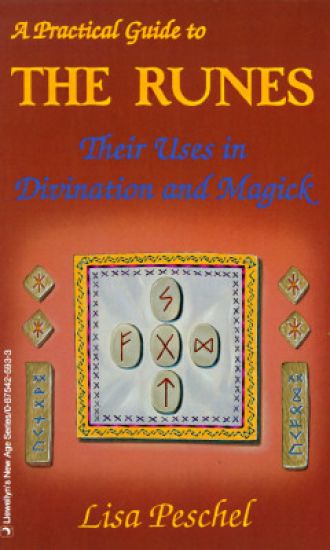
A Practical Guide to the Runes

A Practical Guide to the Runes

Lisa Peschel

LLEWELLYN PUBLICATIONS,U.S.
1989
nidottu
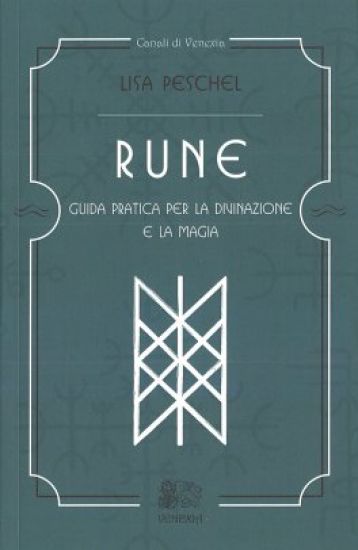
EIHWAZ the yew, URUZ the wild ox, KENAZ the hearth fire. Created by the Nordic and Germanic tribes of northern Europe, the runes began as a magickal system of pictographs representing the forces and objects in nature. With over 200,000 sold, this guidebook will help you discover the oracular nature of the runes and how to use them as a magickal tool for insight, protection, and luck. Practical and concise, this book includes: Complete descriptions of the twenty-four runes of the Elder Futhark, plus WYRD, the blank runeThe differences between bindrunes and runescriptsFour rune layouts and detailed rune interpretations, including reversed position meaningsHow to carve runes and create talismansMeanings and uses of the runes in magick
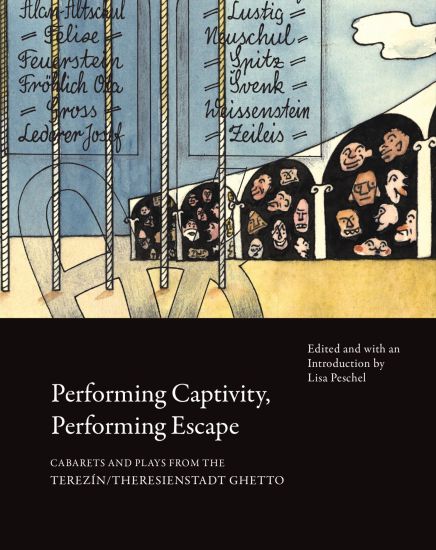
Performing Captivity, Performing Escape – Cabarets and Plays from the Terezín/Theresienstadt Ghetto
A meticulously researched book that collects twelve playscripts written by European Jews imprisoned in the Terezín ghetto during the Holocaust. The concentration camp and Jewish ghetto at Terezín, or Theresienstadt, in what is now the Czech Republic, was a site of enormous suffering, fear, and death. But amid this horrific period, there was also a thriving and desperately vibrant cultural life. While the children’s drawings and musical pieces created in the ghetto have become justly famous, the prisoners’ theatrical works, though a lesser-known aspect of their artistic endeavors, deserves serious attention as well. Performing Captivity, Performing Escape collects twelve theatrical texts—cabaret songs and sketches, historical and verse dramas, puppet plays, and a Purim play—written by Czech and Austrian Jews. Together these works reveal the wide range of ways in which the prisoners engaged with and escaped from life in the ghetto through performance. The anthology opens with an insightful prologue by novelist Ivan Klíma, who was interned in the ghetto as a child and contains a detailed introduction by editor Lisa Peschel about the pre-war theatrical influences and wartime conditions that inspired the theater of the ghetto. The array of theatrical forms collected in this anthology speaks of the prisoners’ persistence of hope in a harrowing time and will be a moving read for students and scholars of the Holocaust.