Kirjojen hintavertailu. Mukana 11 244 527 kirjaa ja 12 kauppaa.

Kirjahaku

Etsi kirjoja tekijän nimen, kirjan nimen tai ISBN:n perusteella.

8 kirjaa tekijältä Lisa Shaw

The Social History of the Brazilian Samba
First published in 1999, this volume examines the impact of political, social and cultural developments on the nation’s most popular musical form, samba, in the context of the period 1930-45, one of huge social change in Brazil, with the introduction of industrialization under the authoritarian regime of Getúlio Vargas. She looks at the context in which the songs were written, the life styles and social positions of the composers (sambistas), and their relationship to political and commercial structures. By studying samba lyrics we can obtain a clear picture of samba lyrics we can obtain a clear picture of samba’s shifting status as it was transformed from the music of working-class blacks and was appropriated by mainstream middle-class culture. The final chapters of the book focus on the lyrics of three influential sambistas: Ataúlfo Alves, Noel Rosa and Ari Barroso, and look at the manner in which their songs both comply with and flout tradition and authority.
The Social History of the Brazilian Samba
First published in 1999, this volume examines the impact of political, social and cultural developments on the nation’s most popular musical form, samba, in the context of the period 1930-45, one of huge social change in Brazil, with the introduction of industrialization under the authoritarian regime of Getúlio Vargas. She looks at the context in which the songs were written, the life styles and social positions of the composers (sambistas), and their relationship to political and commercial structures. By studying samba lyrics we can obtain a clear picture of samba lyrics we can obtain a clear picture of samba’s shifting status as it was transformed from the music of working-class blacks and was appropriated by mainstream middle-class culture. The final chapters of the book focus on the lyrics of three influential sambistas: Ataúlfo Alves, Noel Rosa and Ari Barroso, and look at the manner in which their songs both comply with and flout tradition and authority.

Tropical Travels

Tropical Travels

Lisa Shaw

University of Texas Press
2018
sidottu
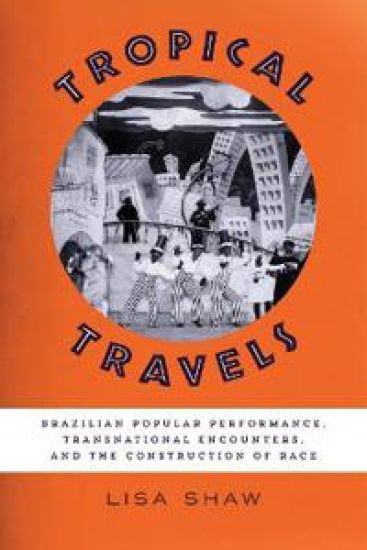
Brazilian popular culture, including music, dance, theater, and film, played a key role in transnational performance circuits-inter-American and transatlantic-from the latter nineteenth century to the middle of the twentieth century. Brazilian performers both drew inspiration from and provided models for cultural production in France, Portugal, Argentina, the United States, and elsewhere. These transnational exchanges also helped construct new ideas about, and representations of, “racial” identity in Brazil. Tropical Travels fruitfully examines how perceptions of “race” were negotiated within popular performance in Rio de Janeiro and how these issues engaged with wider transnational trends during the period.Lisa Shaw analyzes how local cultural forms were shaped by contact with imported performance traditions and transnational vogues in Brazil, as well as by the movement of Brazilian performers overseas. She focuses specifically on samba and the maxixe in Paris between 1910 and 1922, teatro de revista (the Brazilian equivalent of vaudeville) in Rio in the long 1920s, and a popular Brazilian female archetype, the baiana, who moved to and fro across national borders and oceans. Shaw demonstrates that these transnational encounters generated redefinitions of Brazilian identity through the performance of “race” and ethnicity in popular culture. Shifting the traditional focus of Atlantic studies from the northern to the southern hemisphere, Tropical Travels also contributes to a fuller understanding of inter-hemispheric cultural influences within the Americas.
Tropical Travels

Tropical Travels

Lisa Shaw

University of Texas Press
2018
nidottu
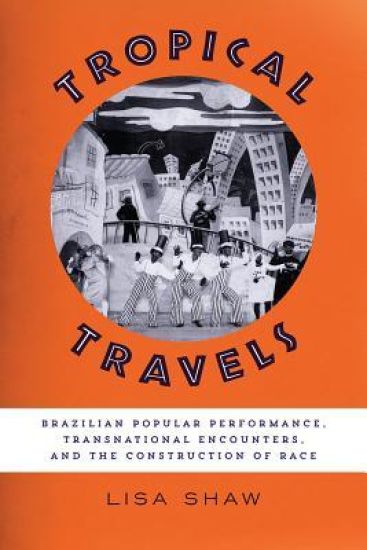
Brazilian popular culture, including music, dance, theater, and film, played a key role in transnational performance circuits-inter-American and transatlantic-from the latter nineteenth century to the middle of the twentieth century. Brazilian performers both drew inspiration from and provided models for cultural production in France, Portugal, Argentina, the United States, and elsewhere. These transnational exchanges also helped construct new ideas about, and representations of, “racial” identity in Brazil. Tropical Travels fruitfully examines how perceptions of “race” were negotiated within popular performance in Rio de Janeiro and how these issues engaged with wider transnational trends during the period.Lisa Shaw analyzes how local cultural forms were shaped by contact with imported performance traditions and transnational vogues in Brazil, as well as by the movement of Brazilian performers overseas. She focuses specifically on samba and the maxixe in Paris between 1910 and 1922, teatro de revista (the Brazilian equivalent of vaudeville) in Rio in the long 1920s, and a popular Brazilian female archetype, the baiana, who moved to and fro across national borders and oceans. Shaw demonstrates that these transnational encounters generated redefinitions of Brazilian identity through the performance of “race” and ethnicity in popular culture. Shifting the traditional focus of Atlantic studies from the northern to the southern hemisphere, Tropical Travels also contributes to a fuller understanding of inter-hemispheric cultural influences within the Americas.
Help! My Parents Are Hungry!

Help! My Parents Are Hungry!

Lisa Shaw

Bambusparks Publishing
2024
pokkari
An Inspiring Tale of Kids Helping Their Hungry Parents... What Could Go Wrong? "Help My Parents Are Hungry" follows the heartwarming adventure of a spirited little girl and her brother as they step up to the plate to provide breakfast for their hungry parents. With determination, teamwork and responsibility, they prepare a sumptuous meal, but when an unexpected mishap leads to disappointment, they learn valuable lessons about family bonding and resilience. In addition to learning valuable lessons, the adventure continues for readers with exciting activities inspired by the story to spark creativity and engage young readers. Get it now
Carmen Miranda

Carmen Miranda

Lisa Shaw

BFI Publishing
2013
nidottu
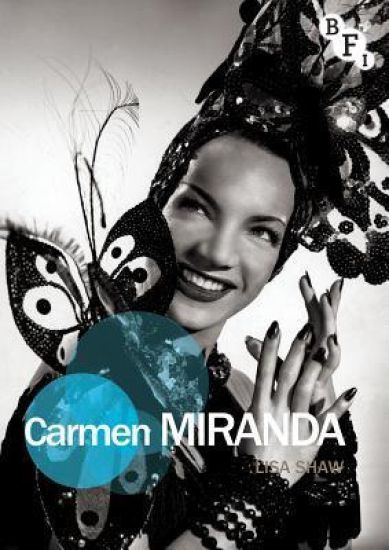
This is the first book-length study of Carmen Miranda in English. It traces her origins as a radio singer, recording artist and film star in Brazil in the 1930s, before exploring in depth her Hollywood screen roles and the construction of her long-lasting star persona in the USA.