
Kirjahaku
Etsi kirjoja tekijän nimen, kirjan nimen tai ISBN:n perusteella.
19 kirjaa tekijältä Lisa Zunshine
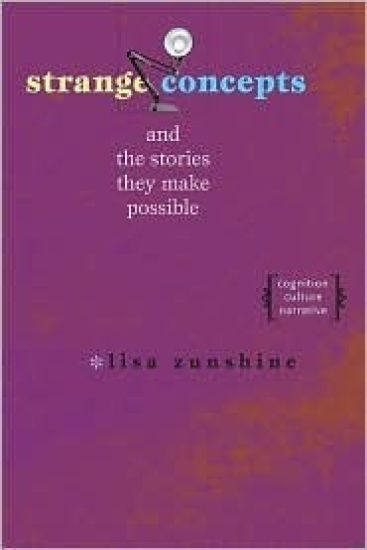
Strange Concepts and the Stories They Make Possible
Lisa Zunshine
Johns Hopkins University Press
2008
sidottu
In this fresh and often playful interdisciplinary study, Lisa Zunshine presents a fluid discussion of how key concepts from cognitive science complicate our cultural interpretations of "strange" literary phenomena. From Short Circuit to I, Robot, from The Parent Trap to Big Business, fantastic tales of rebellious robots, animated artifacts, and twins mistaken for each other are a permanent fixture in popular culture and have been since antiquity. Why do these strange concepts captivate the human imagination so thoroughly? Zunshine explores how cognitive science, specifically its ideas of essentialism and functionalism, combined with historical and cultural analysis, can help us understand why we find such literary phenomena so fascinating. Drawing from research by such cognitive evolutionary anthropologists and psychologists as Scott Atran, Paul Bloom, Pascal Boyer, and Susan A. Gelman, Zunshine examines the cognitive origins of the distinction between essence and function and how unexpected tensions between these two concepts are brought into play in fictional narratives. Discussing motifs of confused identity and of twins in drama, science fiction's use of robots, cyborgs, and androids, and nonsense poetry and surrealist art, she reveals the range and power of key concepts from science in literary interpretation and provides insight into how cognitive-evolutionary research on essentialism can be used to study fiction as well as everyday strange concepts.
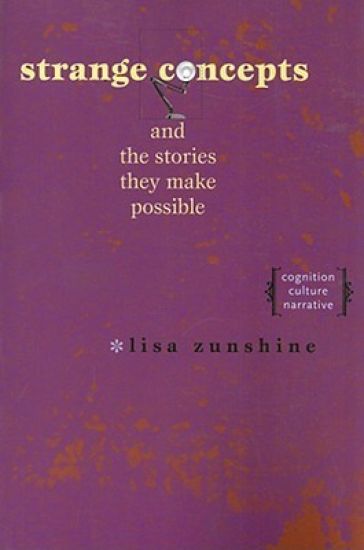
Strange Concepts and the Stories They Make Possible
Lisa Zunshine
Johns Hopkins University Press
2008
pokkari
In this fresh and often playful interdisciplinary study, Lisa Zunshine presents a fluid discussion of how key concepts from cognitive science complicate our cultural interpretations of "strange" literary phenomena. From Short Circuit to I, Robot, from The Parent Trap to Big Business, fantastic tales of rebellious robots, animated artifacts, and twins mistaken for each other are a permanent fixture in popular culture and have been since antiquity. Why do these strange concepts captivate the human imagination so thoroughly? Zunshine explores how cognitive science, specifically its ideas of essentialism and functionalism, combined with historical and cultural analysis, can help us understand why we find such literary phenomena so fascinating. Drawing from research by such cognitive evolutionary anthropologists and psychologists as Scott Atran, Paul Bloom, Pascal Boyer, and Susan A. Gelman, Zunshine examines the cognitive origins of the distinction between essence and function and how unexpected tensions between these two concepts are brought into play in fictional narratives. Discussing motifs of confused identity and of twins in drama, science fiction's use of robots, cyborgs, and androids, and nonsense poetry and surrealist art, she reveals the range and power of key concepts from science in literary interpretation and provides insight into how cognitive-evolutionary research on essentialism can be used to study fiction as well as everyday strange concepts.
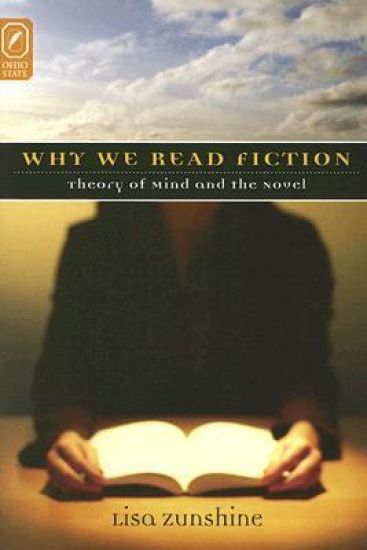
Why We Read Fiction offers a lucid overview of the most exciting area of research in contemporary cognitive psychology known as "Theory of Mind" and discusses its implications for literary studies. It covers a broad range of fictional narratives, from Richardson's Clarissa, Dostoyevski's Crime and Punishment, and Austen's Pride and Prejudice to Woolf's Mrs. Dalloway, Nabokov's Lolita, and Hammett's The Maltese Falcon. Zunshine's surprising new interpretations of well-known literary texts and popular cultural representations constantly prod her readers to rethink their own interest in fictional narrative. Written for a general audience, this study provides a jargon-free introduction to the rapidly growing interdisciplinary field known as cognitive approaches to literature and culture.


The eleven contributors to this volume investigate the connections between Nabokov's output and the fields of painting, music, and ballet.
The eleven contributors to this volume investigate the connections between Nabokov's output and the fields of painting, music, and ballet.

During the eighteenth century, treatises on the science of elocution, gesture and naturalness abounded. This title draws together a representative selection of the most difficult-to-access texts in the period. It helps cultural historians to examine the place of stagecraft in the eighteenth-century imagination.

During the eighteenth century, treatises on the science of elocution, gesture and naturalness abounded. This title draws together a representative selection of the most difficult-to-access texts in the period. It helps cultural historians to examine the place of stagecraft in the eighteenth-century imagination.
During the eighteenth century, treatises on the science of elocution, gesture and naturalness abounded. This title draws together a representative selection of the most difficult-to-access texts in the period. It helps cultural historians to examine the place of stagecraft in the eighteenth-century imagination.

During the eighteenth century, treatises on the science of elocution, gesture and naturalness abounded. This title draws together a representative selection of the most difficult-to-access texts in the period. It helps cultural historians to examine the place of stagecraft in the eighteenth-century imagination.

During the eighteenth century, treatises on the science of elocution, gesture and naturalness abounded. This title draws together a representative selection of the most difficult-to-access texts in the period. It helps cultural historians to examine the place of stagecraft in the eighteenth-century imagination.

During the eighteenth century, treatises on the science of elocution, gesture and naturalness abounded. This title draws together a representative selection of the most difficult-to-access texts in the period. It helps cultural historians to examine the place of stagecraft in the eighteenth-century imagination.

During the eighteenth century, treatises on the science of elocution, gesture and naturalness abounded. This title draws together a representative selection of the most difficult-to-access texts in the period. It helps cultural historians to examine the place of stagecraft in the eighteenth-century imagination.

During the eighteenth century, treatises on the science of elocution, gesture and naturalness abounded. This title draws together a representative selection of the most difficult-to-access texts in the period. It helps cultural historians to examine the place of stagecraft in the eighteenth-century imagination.

During the eighteenth century, treatises on the science of elocution, gesture and naturalness abounded. This title draws together a representative selection of the most difficult-to-access texts in the period. It helps cultural historians to examine the place of stagecraft in the eighteenth-century imagination.

During the eighteenth century, treatises on the science of elocution, gesture and naturalness abounded. This title draws together a representative selection of the most difficult-to-access texts in the period. It helps cultural historians to examine the place of stagecraft in the eighteenth-century imagination.
We live in other people's heads: avidly, reluctantly, consciously, unaware, mistakenly, and inescapably. Our social life is a constant negotiation among what we think we know about each other's thoughts and feelings, what we want each other to think we know, and what we would dearly love to know but don't. Cognitive scientists have a special term for the evolved cognitive adaptation that makes us attribute mental states to other people through observation of their body language; they call it theory of mind. "Getting Inside Your Head" uses research in theory of mind to look at movies, musicals, novels, classic Chinese opera, stand-up comedy, mock-documentaries, photography, and reality television. It follows "Pride and Prejudice's" Mr. Darcy as he tries to conceal his anger, Tyler Durden as he lectures a stranger at gunpoint in "Fight Club", and Ingrid Bergman as she fakes interest in horse races in "Notorious". This engaging book exemplifies the new interdisciplinary field of cognitive cultural studies, demonstrating that collaboration between cognitive science and cultural studies is both exciting and productive.

Acting Theory and the English Stage, 1700-1830
Lisa Zunshine
Pickering Chatto (Publishers) Ltd
2008
muu
During the eighteenth century, treatises on the science of elocution, gesture and naturalness abounded. This title draws together a representative selection of the most difficult-to-access texts in the period. It helps cultural historians to examine the place of stagecraft in the eighteenth-century imagination.