Kirjojen hintavertailu. Mukana 11 717 486 kirjaa ja 12 kauppaa.

Kirjahaku

Etsi kirjoja tekijän nimen, kirjan nimen tai ISBN:n perusteella.

5 kirjaa tekijältä Lisandro E. Claudio

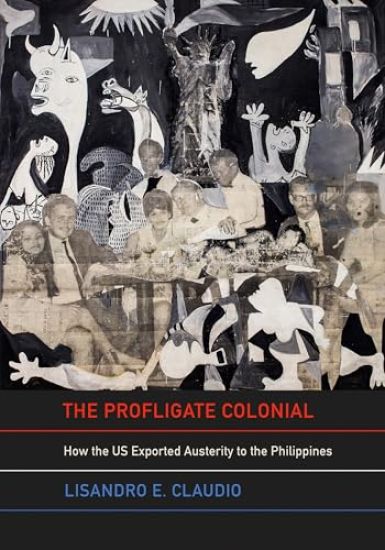
The Profligate Colonial

The Profligate Colonial

Lisandro E. Claudio

CORNELL UNIVERSITY PRESS
2025
sidottu
In The Profligate Colonial, Lisandro E. Claudio reveals how austerity, long before it became a buzzword of modern technocracy, was a tool of US empire. Austerity is often praised as prudence in hard times, a responsible response to crisis. In the Philippines today, it is treated as common sense, an unquestioned commitment to a strong currency, low inflation, and fiscal restraint. Claudio argues that this orthodoxy is in fact a colonial inheritance—a legacy of American rule that cast Filipinos as reckless spenders and imposed monetary discipline as a civilizing force. At the center of this logic is the "profligate colonial," a feminized, racialized figure who wastes public funds and so requires the steady hand of imperial governance. Focusing on key moments in Philippine economic history across the twentieth century, Claudio charts how austerity was first exported through empire, then domesticated in line with nationalist ambitions. He shows that generations of Filipino policymakers, central bankers, and intellectuals absorbed the lessons of American "money doctors," transforming what was a means to build a colonial state on the cheap into a postcolonial moral imperative. Austerity became not just policy, but ideology—one that transcended political divides and reshaped the boundaries of the Philippine economic imagination. As austerity politics rise once more in response to global inflation, The Profligate Colonial is a vital, incisive reminder of how austerity's appeal is less about economics than about a deep-rooted politics of control—one born in empire and still alive in policy today.
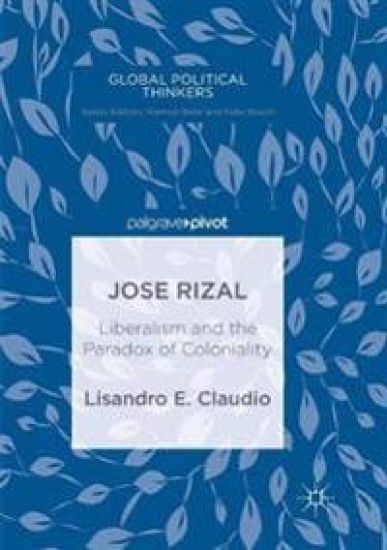
Jose Rizal

Jose Rizal

Lisandro E. Claudio

Springer Nature Switzerland AG
2018
sidottu
The global history of liberalism has paid too much attention to the West, neglecting the contributions of liberals from colonial nations. This book mines the thought of Filipino propagandist and novelist, Jose Rizal, to present a vision of liberalism for the colonized. It is both an introduction to Rizal and a treatise on rights, freedom, and tyranny in colonial contexts. Though a work on history, it responds to the illiberal present of rising authoritarianism and populism.
Jose Rizal

Jose Rizal

Lisandro E. Claudio

Springer Nature Switzerland AG
2019
nidottu
The global history of liberalism has paid too much attention to the West, neglecting the contributions of liberals from colonial nations. This book mines the thought of Filipino propagandist and novelist, Jose Rizal, to present a vision of liberalism for the colonized. It is both an introduction to Rizal and a treatise on rights, freedom, and tyranny in colonial contexts. Though a work on history, it responds to the illiberal present of rising authoritarianism and populism.
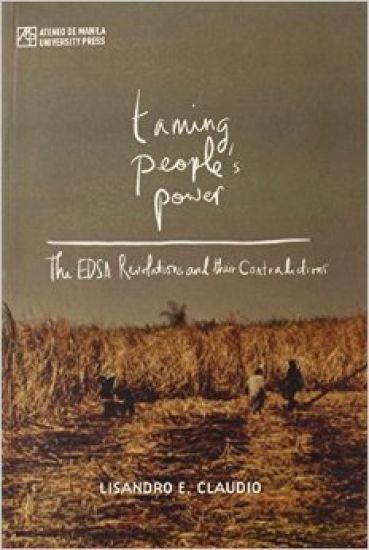
Taming People's Power

Taming People's Power

Lisandro E. Claudio

University of the Philippines Press
2014
nidottu
Focuses on the uneasy forces that converged to organise the Filipino people’s understanding of their recent history including the impact of ""People Power"", Cory Aquino, the Church, and the middle class.
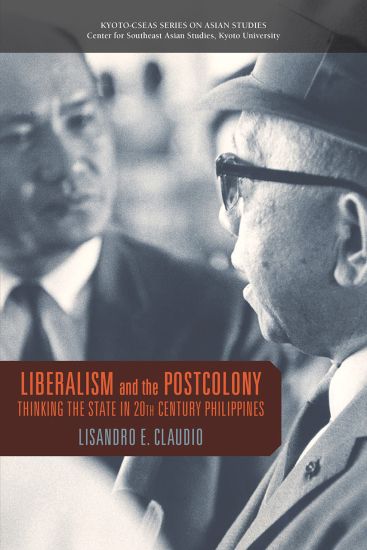
Liberalism and the Postcolony

Liberalism and the Postcolony

Lisandro E. Claudio

NUS Press
2017
nidottu
Extricating liberalism from the haze of anti-modernist and anti-European caricature, this book traces the role of liberal philosophy in the building of a new nation. It examines the role of toleration, rights, and mediation in the postcolony. Through the biographies of four Filipino scholar-bureaucrats—Camilo Osias, Salvador Araneta, Carlos P. Romulo, and Salvador P. Lopez—Lisandro E. Claudio argues that liberal thought served as the grammar of Filipino democracy in the 20th century. By looking at various articulations of liberalism in pedagogy, international affairs, economics, and literature, Claudio not only narrates an obscured history of the Philippine state, he also argues for a new liberalism rooted in the postcolonial experience, a timely intervention considering current developments in politics in Southeast Asia.