Kirjojen hintavertailu. Mukana 11 607 149 kirjaa ja 12 kauppaa.

Kirjahaku

Etsi kirjoja tekijän nimen, kirjan nimen tai ISBN:n perusteella.

29 kirjaa tekijältä Lothrop Stoddard

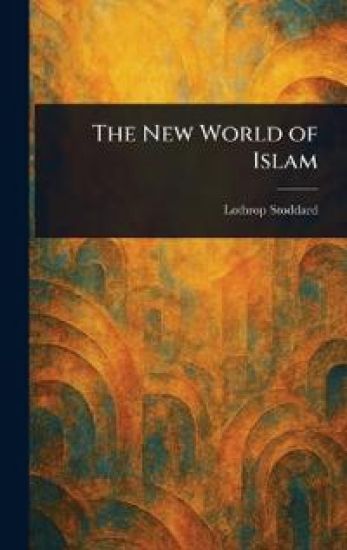
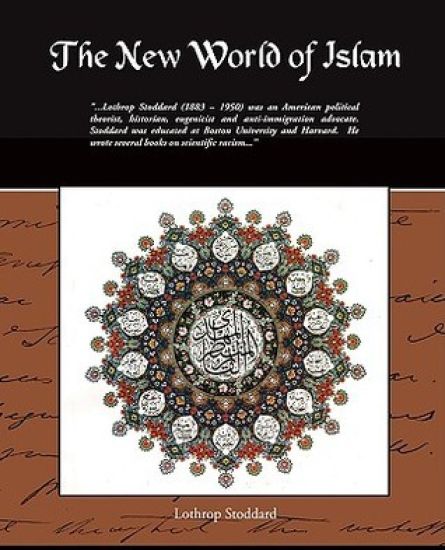
The New World of Islam

The New World of Islam

Lothrop Stoddard

Anson Street Press
2025
sidottu
Explore the seismic shifts reshaping the Islamic world in Lothrop Stoddard's "The New World of Islam." This meticulously prepared print edition offers a crucial historical perspective on the Eastern question, examining the forces of political change and the rise of Pan-Islamism in the Middle East. Stoddard delves into the complexities of the Islamic world, providing context for understanding the evolving dynamics within the region. A vital resource for anyone interested in the history of the Middle East and the historical development of Islam, this book analyzes the key factors driving transformation and unrest. Gain insight into the historical roots of contemporary issues and explore the interplay between religion and politics in this significant work. Discover the historical narrative behind the headlines and deepen your understanding of the forces shaping the Islamic world.This work has been selected by scholars as being culturally important, and is part of the knowledge base of civilization as we know it.This work is in the public domain in the United States of America, and possibly other nations. Within the United States, you may freely copy and distribute this work, as no entity (individual or corporate) has a copyright on the body of the work.Scholars believe, and we concur, that this work is important enough to be preserved, reproduced, and made generally available to the public. We appreciate your support of the preservation process, and thank you for being an important part of keeping this knowledge alive and relevant.
The Rising Tide of Color Against White World-Supremacy

The Rising Tide of Color Against White World-Supremacy

Lothrop Stoddard

Literary Licensing, LLC
2014
sidottu
""The Rising Tide Of Color Against White World-Supremacy"" is a controversial book written by Lothrop Stoddard in 1920. In this book, Stoddard argues that the world is divided into two races, the white race and the colored race, and that the colored race is rising in power and numbers, threatening the dominance of the white race. He claims that the white race must take action to maintain their supremacy or face the consequences of being overrun by the colored races. Stoddard discusses the history of race relations, including the rise and fall of civilizations, and the impact of migration and demographics on the balance of power between races. He also examines the role of religion, culture, and politics in shaping racial attitudes and behaviors. The book has been criticized for its racist and supremacist views, and for its influence on the eugenics movement and Nazi ideology. However, it remains a significant historical document that reflects the attitudes and beliefs of the time in which it was written.This Is A New Release Of The Original 1920 Edition.This scarce antiquarian book is a facsimile reprint of the old original and may contain some imperfections such as library marks and notations. Because we believe this work is culturally important, we have made it available as part of our commitment for protecting, preserving, and promoting the world's literature in affordable, high quality, modern editions, that are true to their original work.
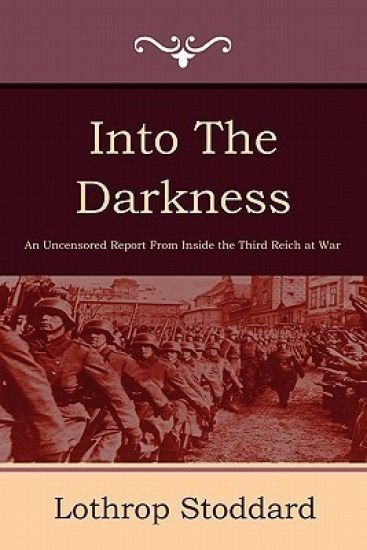
Into The Darkness

Into The Darkness

Lothrop Stoddard

Bibliotech Press
2018
pokkari
Theodore Lothrop Stoddard (June 29, 1883 - May 1, 1950) was an American political scientist, historian, journalist, anthropologist, eugenicist, pacifist, and anti-immigration advocate who wrote a number of books which are cited by historians as prominent examples of early 20th-century scientific racism.During World War II he wrote Into the Darkness, about the effect of war on Nazi Germany. Stoddard was relatively nonpartisan in his coverage of the Nazi regime, but he did express concern for the welfare of the European Jewish community, foreseeing intense violence against the Jews.He was always wary of and often opposed to the Nazis, despite their common support for eugenics. In "The Rising Tide of Color," Stoddard blasted the ethnic supremacism of the Germans, blaming the "Teutonic imperialists" for the outbreak of the First World War, and the Nazis, of course, simply carried this ethnic supremacism to more extreme ends. He opposed what he saw as the disuniting of the white peoples through intense nationalism within Europe. Nevertheless, after World War II, Stoddard's theories were judged as too closely aligned with those of the Nazis and he suffered a large drop in popularity. (Guterl 2004) His death in 1950 from cancer went almost entirely unreported, despite his previously broad readership and influence. (Fant 2000)
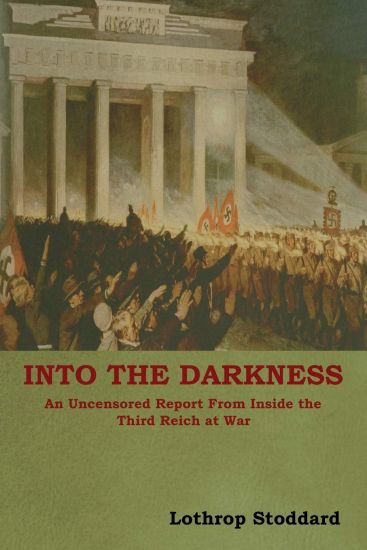
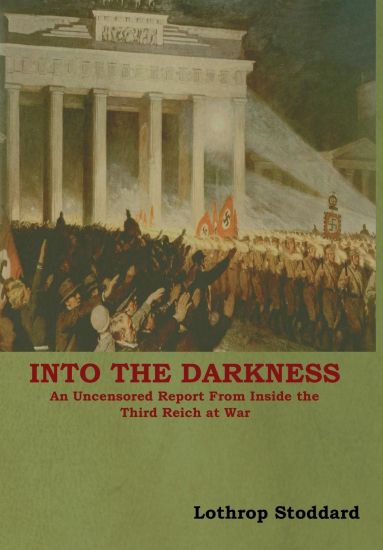
Into The Darkness

Into The Darkness

Lothrop Stoddard

Bibliotech Press
2018
sidottu
Theodore Lothrop Stoddard (June 29, 1883 - May 1, 1950) was an American political scientist, historian, journalist, anthropologist, eugenicist, pacifist, and anti-immigration advocate who wrote a number of books which are cited by historians as prominent examples of early 20th-century scientific racism.During World War II he wrote Into the Darkness, about the effect of war on Nazi Germany. Stoddard was relatively nonpartisan in his coverage of the Nazi regime, but he did express concern for the welfare of the European Jewish community, foreseeing intense violence against the Jews.He was always wary of and often opposed to the Nazis, despite their common support for eugenics. In "The Rising Tide of Color," Stoddard blasted the ethnic supremacism of the Germans, blaming the "Teutonic imperialists" for the outbreak of the First World War, and the Nazis, of course, simply carried this ethnic supremacism to more extreme ends. He opposed what he saw as the disuniting of the white peoples through intense nationalism within Europe. Nevertheless, after World War II, Stoddard's theories were judged as too closely aligned with those of the Nazis and he suffered a large drop in popularity. (Guterl 2004) His death in 1950 from cancer went almost entirely unreported, despite his previously broad readership and influence. (Fant 2000)