Kirjahaku
Etsi kirjoja tekijän nimen, kirjan nimen tai ISBN:n perusteella.
30 kirjaa tekijältä Luke Strongman


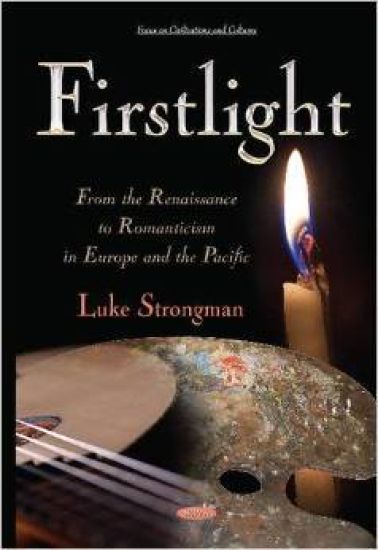
The chapters of this book discuss in differing ways the transition in the second millennium of the Common Era from the Renaissance, through Enlightenment and subsequently, Romanticism, with a focus in Europe and the Pacific from the fifteenth to the nineteenth centuries. The book highlights salient features of each movement, using examples from the lives and works of critical exponents of each artists, poets, playwrights, philosophers, engineers, navigators, and explorers. The aim has been to impart knowledge of each period, describe characteristics of the way in which the three movements transitioned from one to another through a particular thematic or topical focus, and outline central terms and concepts pertaining to them. In doing so, it is clear that the period of European and Pacific history that spanned the fifteenth to nineteenth centuries brought tremendous change on the human psyche and saw unprecedented development of industry, culture, arts, science and a flowering of the human imagination as well as a strengthening of the human capacity for reason. The Renaissance, and the transition between Enlightenment and Romanticism was indeed, a 'first-light' after the long dark ages in Europe, America and the Pacific West; it provided the impetus for the forces of change that impel progress in the present day. To make 'observations' of key figures and texts at various stages and events of the half-millennia in focus is also to reveal the perplexing change, society and human understanding of it was undergoing and to explore critical ideas and inventions of art and science that shaped the modern world.
Includes bibliographical references (pages 227-254) index.
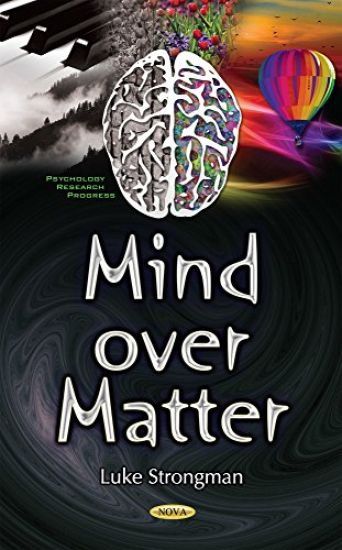
This book explores issues in popular psychology and science that are firstly concerned with the evolution of the human species and, more particularly, of the human mind and its functioning; secondly, it discusses how people orientate to their environments and react through communication and discourse. It will also explore some interesting bisecting roads of neural functioning, such as the purpose of déjá vu and dreaming, discuss what happens when the mind seeks shortcuts in the creation of understanding, and what happens at the periphery of conscious control. Mind over Matter is about the human mind and making sense of the semiosphere of information that surrounds us. As such, it is both about something mind and behaviour and also a reflection on thinking about the mind. The book is concerned with thinking through the ideas behind orientating oneself in an environment which is teeming with information, consciousness, and the possibilities of language and communication. The book concludes by making brief commentary on possible human evolution in the future.