Kirjojen hintavertailu. Mukana 11 342 296 kirjaa ja 12 kauppaa.

Kirjahaku

Etsi kirjoja tekijän nimen, kirjan nimen tai ISBN:n perusteella.

26 kirjaa tekijältä Lydia Cabrera

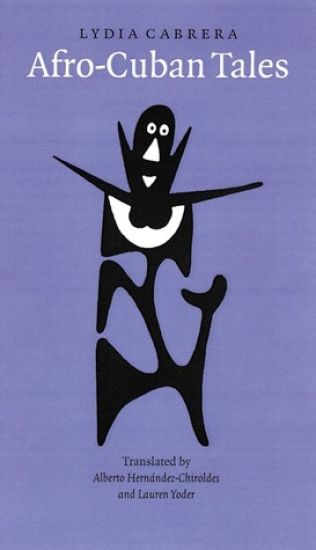
Afro-Cuban Tales

Afro-Cuban Tales

Lydia Cabrera

University of Nebraska Press
2005
pokkari
As much a storyteller as an ethnographer, Lydia Cabrera was captivated by a strange and magical new world revealed to her by her Afro-Cuban friends in early twentieth-century Havana. In Afro-Cuban Tales this world comes to teeming life, introducing English-speaking readers to a realm of tenuous boundaries between the natural and the supernatural, deities and mortals, the spiritual and the seemingly inanimate. Here readers will find a vibrant, imaginative record of African culture transplanted to Cuba and transformed over time, a passionate and subversive alternative to the dominant Western culture of the Americas. In this charmed realm of myth and legend, imaginative flights, and hard realities, Cabrera shows us a world turned upside down. In this domain guinea hens can make dour Asturians and the king of Spain dance; little fat cooking pots might prepare their own meals; the pope can send encyclicals about pumpkins; and officials can be defeated by the shrewdness of turtles. The first English translation of one of the most important writers on African culture in the Americas, the collection provides a fascinating view of how African traditions, myths, stories, and religions traveled to the New World—of how, in their tales, Africans in the Americas created a New World all their own.
El Monte

El Monte

Lydia Cabrera

Ediciones Universal
2020
pokkari
This is the most important and recognized book of the many written by Lydia Cabrera on the history, customs and religious rites of Afro-Cubans.The Cuban black mixed his customs and this syncretism is essential in Cuban culture. In El Monte, the reader will find all the history and contributions of the Cuban black including religious syncretism, the uses of plants to cure diseases, the many ways of talking that are already part of the everyday language of Cubans.
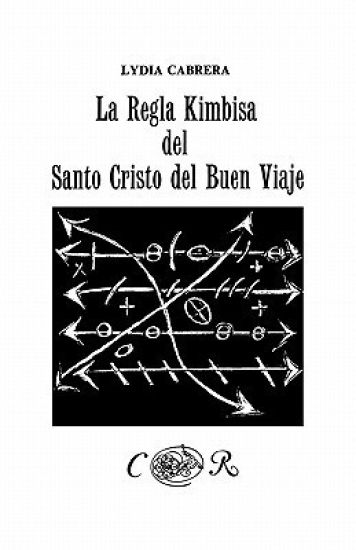
La Regla Kimbisa del Santo Cristo del Buen Viaje

La Regla Kimbisa del Santo Cristo del Buen Viaje

Lydia Cabrera

Ediciones Universal
1986
pokkari
Los or genes de los Palos Mayombe y Kimbiza se encuentran en algunos pa ses africanos tales como el Zaire, Angola, Congo, Sambia, Namibia y en todos los pa ses donde se hallan las tribus Bantu. La religi n de Palo se desarroll en Cuba, Haiti y otras partes del Caribe. A mediados de 1841, el primer grupo de personas procedentes de diferentes zonas de Nigeria y de las tribus Bantu, el pueblo de Calabar fund una sociedad. Esta sociedad se llama la sociedad Abaku . La sociedad Abaku da origen a los linajes de Palo Mayombe y de Palo Kimbiza. Mientras que el Palo Mayombe fue muy fuerte en Cuba, al mismo tiempo el vud Mayombe y Kimbiza se estaban desarrollando y creciendo en Haiti. La tradici n Kimbiza fue tra da a Cuba por Andr s Petit Alto sacerdote y fundador que ostentaba el t tulo de Tata Nganga Nkisi Malongo. Es una figura muy controvertida porque no s lo sac adelante la primera casa Kimbiza sino que, tambi n, fund la primera sociedad de blancos en el linaje Abaku . Fund estas sociedades en 1863 en la ciudad de Guanabacoa, Cuba. A Andr s Petit se le llam el Cristo de los Dolores Mayombara Kimbiza Nuncatesia. Lo cual significa que act o en contra de los mayores de mayombe al iniciar a los blancos en las tradiciones Abaku y Kimbiza. Por ello, fue condenado y marginado, pero su legado dej un millar de templos Kimbiza en la Cuba de aquel tiempo. Kimbiza quiere decir superar. Kimbiza quiere decir que si tenemos fe en Dios y utilizamos todo lo que procede de la tradici n y de la palabra de Dios y de las antiguas ense anzas de los pueblos Congo y Bant , que aprendieron a respetar a la Madre Naturaleza y a todos sus atributos, todas estas ense anzas juntas forman un gran c mulo de conocimientos. Kimbiza toma todo esto de las diferentes religiones espirituales que provienen de Dios para superar al mal en la vida. Al tener fe en el Todopoderoso y al creer en ti mismo, respetando las ense anzas de tus antepasados y aplicando todas esas ense anzas a tu vida diaria, te salvas a ti mismo, alcanzas la iluminaci n y adem s, salvas a los dem s y los ayudas a encontrarse a si mismos en esta jungla de asfalto a la que llamamos el nuevo mundo. En frica, esta tradici n no se conoce como Palo. Esta tradici n se conoce como Yimbola. Es la pr ctica de los chamanes africanos s lo porque en muchos de esos pa ses, la clase dirigente es musulmana. Es por esto que los rangos en esas tradiciones, as como los saludos tales como: Sala Maleco, Maleco Sala pertenecen a las costumbres musulmanas. ste es un saludo utilizado por los paleros de las tradiciones Kimbiza y Mayombe. La diferencia entre Mayombe y Kimbiza es que Mayombe es estrictamente congo y no est mezclado con creencias esot ricas ni espiritualismo ni catolicismo ni Ocha. Es una religi n congolesa pura que venera a los antepasados mediante el caldero. Kimbiza, por otra parte, tiene mucho de mayombe, vud , espiritualismo, esoterismo, chamanismo, catolicismo y Ocha. Aunque Kimbiza est mucho m s cerca de Ocha que de Mayombe.
Otán Iyebiyé. Las Piedras Preciosas,

Otán Iyebiyé. Las Piedras Preciosas,

Lydia Cabrera

EDICIONES UNIVERSAL
2023
pokkari
Lydia Cabrera nace en La Habana el 20 de mayo de 1900 ymuere en Miami, exiliada de Cuba, el 19 de septiembre de 1991. Laescritora y antrop loga cubana, una de las figuras centrales de lacultura cubana, es autora de 23 libros, que en su mayor a estudian lacultura y religi n afrocubana y son considerados cl sicos por la excelenciade su investigaci n y la belleza m gica de su prosa.En este libro la autora estudia y describe el uso de las piedraspreciosas en la tradici n afrocubana.=========Lydia Cabrera was born in Havana, Cuba, on May 20, 1900 and diesin exile in Miami, Florida on September 19, 1991. A writer and anthropologist, she is one of the central figures of Cuban culture. Hertwenty-three books, primarily focusing on Afro-Cuban culture andreligion, are considered classics because of her excellent investigationsand the magical beauty of her prose.This book study the use of precious stones in Afro-Cuban traditions.
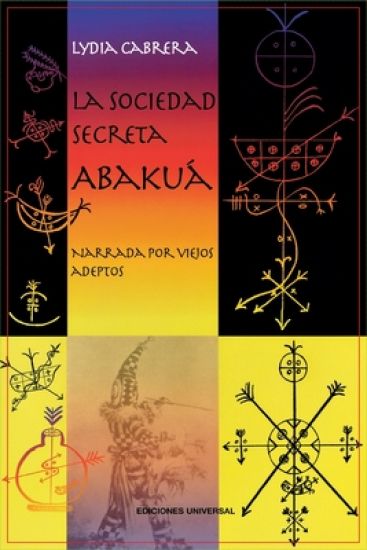
La Lengua Sagrada de Los Ñáñigos

La Lengua Sagrada de Los Ñáñigos

Lydia Cabrera

EDICIONES UNIVERSAL
2024
pokkari
Lydia Cabrera nace en La Habana el 20 de mayo de 1900 y fallece en Miami, exiliada de Cuba, el 19 de septiembre de 1991. La escritora y antrop loga cubana, una de las figuras centrales de la cultura cubana, es autora de 23 libros, que en su mayor a estudian la cultura y religi n afrocubana y son considerados cl sicos por la excelencia de su investigaci n y la belleza m gica de su prosa. Un estudio muy completo sobre la historia y creencias de los igos, miembros de la Sociedad Secreta Abaku , creencias afrocubanas y de la Santer a en Cuba. Vocablos, historias, creencias de afrocubanos y muchas explicaciones importantes. Escritos por Lydia Cabrera, como le fueron contando los afrocubanos en Cuba. La tradici n oral de los creyentes en la Santer a por una de las escritoras m s reconocidas en Cuba. ***** Lydia Cabrera was born in Havana, Cuba, on May 20, 1900 and dies in exile in Miami, Florida on September 19, 1991. A writer and anthropologist, she is one of the central figures of Cuban culture. Her twenty-three books, primarily focusing on Afro-Cuban culture and religion, are considered classics because of her excellent investigations and the magical beauty of her prose. A very complete study on the history and beliefs of the Nanigos, members of the Abakua Secret Society, Afro-Cuban beliefs and Santeria in Cuba. Afro-Cuban words, stories, beliefs and many important explanations. Written by Lydia Cabrera, as Afro-Cubans in Cuba told her. The oral tradition of believers in Santer a by one of the most recognized writers in Cuba.
Vocabulario Congo

Vocabulario Congo

Lydia Cabrera

Ediciones Universal
2020
pokkari
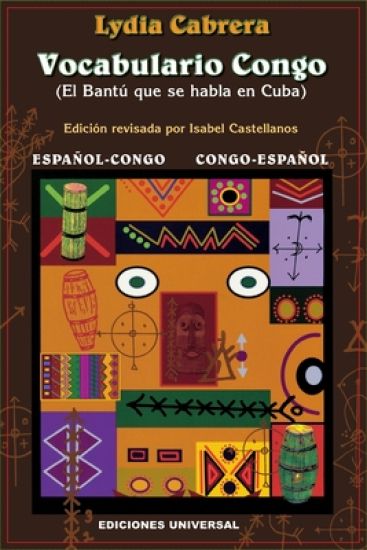
Explicaci n, en forma de diccionario (espa ol-congo / congo-espa ol), del vocabulario que usaban los negros congos, que tienen significado especial en la Santer a o religi n afrocubana.Explanation, in dictionary form (Spanish-Congo/Congo-Spanish), of the language used by Congo Blacks in Cuba, which have special meanings in the Santer a or afrocuban religion.
La Medicina Popular de Cuba

La Medicina Popular de Cuba

Lydia Cabrera

Ediciones Universal
2019
pokkari
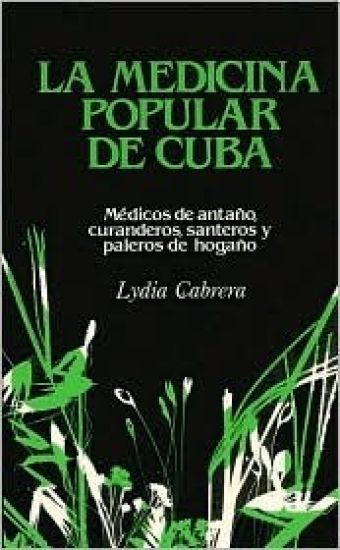
Lydia Cabrera was born in Havana, Cuba, on May 20, 1900 and dies in exile in Miami, Florida on September 19, 1991. A writer and anthropologist, she is one of the central figures of Cuban culture. Her twenty-three books, primarily focusing on Afro-Cuban culture and religion, are considered classics because of her excellent investigations and the magical beauty of her prose.Medicine in Cuba based on customs and traditions of yesteryear. Nineteenth century Cuban medicine reflecting the customs and traditions of the times, afrocuban healers, herbal remedies, as well as medical advice from elders. Includes an index of the Cuban herbs with special emphasis on indigenous and imported plants used for medicinal purposes.
El Monte

El Monte

Lydia Cabrera

DUKE UNIVERSITY PRESS
2023
sidottu
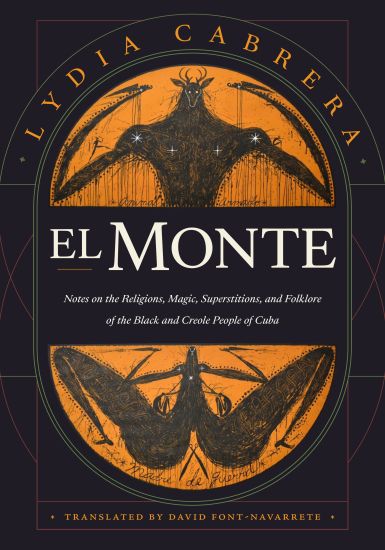
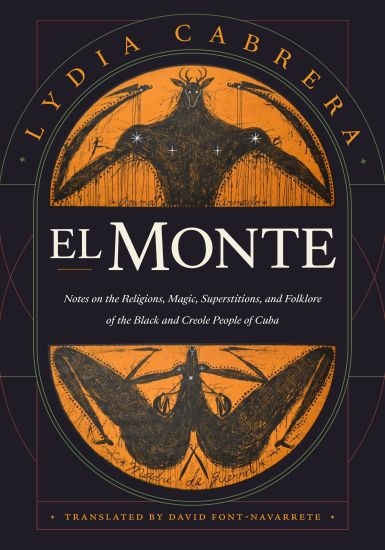
First published in Cuba in 1954 and appearing here in English for the first time, Lydia Cabrera’s El Monte is a foundational and iconic study of Afro-Cuban religious and cultural traditions. Drawing on conversations with elderly Afro-Cuban priests who were one or two generations away from the transatlantic slave trade, Cabrera combines ethnography, history, folklore, literature, and botany to provide a panoramic account of the multifaceted influence of Afro-Atlantic cultures in Cuba. Cabrera details the natural and spiritual landscape of the Cuban monte (forest, wilderness) and discusses hundreds of herbs and the constellations of deities, sacred rites, and knowledge that envelop them. The result is a complex spiritual and medicinal architecture of Afro-Cuban cultures. This new edition of what is often referred to as “the Santería bible” includes a new foreword, introduction, and translator notes. As a seminal work in the study of the African diaspora that has profoundly impacted numerous fields, Cabrera’s magnum opus is essential for scholars, activists, and religious devotees of Afro-Cuban traditions alike.
El Monte

El Monte

Lydia Cabrera

DUKE UNIVERSITY PRESS
2023
pokkari
First published in Cuba in 1954 and appearing here in English for the first time, Lydia Cabrera’s El Monte is a foundational and iconic study of Afro-Cuban religious and cultural traditions. Drawing on conversations with elderly Afro-Cuban priests who were one or two generations away from the transatlantic slave trade, Cabrera combines ethnography, history, folklore, literature, and botany to provide a panoramic account of the multifaceted influence of Afro-Atlantic cultures in Cuba. Cabrera details the natural and spiritual landscape of the Cuban monte (forest, wilderness) and discusses hundreds of herbs and the constellations of deities, sacred rites, and knowledge that envelop them. The result is a complex spiritual and medicinal architecture of Afro-Cuban cultures. This new edition of what is often referred to as “the Santería bible” includes a new foreword, introduction, and translator notes. As a seminal work in the study of the African diaspora that has profoundly impacted numerous fields, Cabrera’s magnum opus is essential for scholars, activists, and religious devotees of Afro-Cuban traditions alike.
The Sacred Language of the Abakuá

The Sacred Language of the Abakuá

Lydia Cabrera

University Press of Mississippi
2020
sidottu
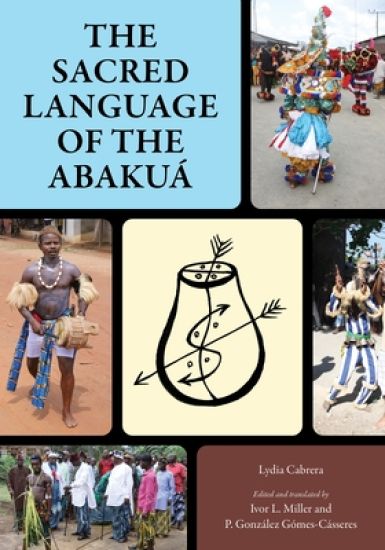
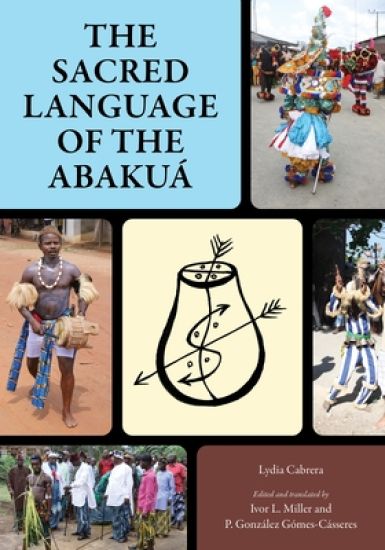
In 1988, Lydia Cabrera (1899–1991) published La lengua sagrada de los Ñáñigos, an Abakuá phrasebook that is to this day the largest work available on any African diaspora community in the Americas. In the early 1800s in Cuba, enslaved Africans from the Cross River region of southeastern Nigeria and southwestern Cameroon created Abakuá societies for protection and mutual aid. Abakuá rites reenact mythic legends of the institution's history in Africa, using dance, chants, drumming, symbolic writing, herbs, domestic animals, and masked performers to represent African ancestors. Criminalized and scorned in the colonial era, Abakuá members were at the same time contributing to the creation of a unique Cuban culture, including rumba music, now considered a national treasure. Translated for the first time into English, Cabrera's lexicon documents phrases vital to the creation of a specific African-derived identity in Cuba and presents the first "insider's" view of this African heritage. This text presents thoroughly researched commentaries that link hundreds of entries to the context of mythic rites, skilled ritual performance, and the influence of Abakuá in Cuban society and popular music. Generously illustrated with photographs and drawings, the volume includes a new introduction to Cabrera's writing as well as appendices that situate this important work in Cuba's history. With the help of living Abakuá specialists in Cuba and the US, Ivor L. Miller and P. González Gómes-Cásseres have translated Cabrera's Spanish into English for the first time while keeping her meanings and cultivated style intact, opening this seminal work to new audiences and propelling its legacy in African diaspora studies.
The Sacred Language of the Abakuá

The Sacred Language of the Abakuá

Lydia Cabrera

University Press of Mississippi
2020
pokkari
In 1988, Lydia Cabrera (1899–1991) published La lengua sagrada de los Ñáñigos, an Abakuá phrasebook that is to this day the largest work available on any African diaspora community in the Americas. In the early 1800s in Cuba, enslaved Africans from the Cross River region of southeastern Nigeria and southwestern Cameroon created Abakuá societies for protection and mutual aid. Abakuá rites reenact mythic legends of the institution's history in Africa, using dance, chants, drumming, symbolic writing, herbs, domestic animals, and masked performers to represent African ancestors. Criminalized and scorned in the colonial era, Abakuá members were at the same time contributing to the creation of a unique Cuban culture, including rumba music, now considered a national treasure. Translated for the first time into English, Cabrera's lexicon documents phrases vital to the creation of a specific African-derived identity in Cuba and presents the first "insider's" view of this African heritage. This text presents thoroughly researched commentaries that link hundreds of entries to the context of mythic rites, skilled ritual performance, and the influence of Abakuá in Cuban society and popular music. Generously illustrated with photographs and drawings, the volume includes a new introduction to Cabrera's writing as well as appendices that situate this important work in Cuba's history. With the help of living Abakuá specialists in Cuba and the US, Ivor L. Miller and P. González Gómes-Cásseres have translated Cabrera's Spanish into English for the first time while keeping her meanings and cultivated style intact, opening this seminal work to new audiences and propelling its legacy in African diaspora studies.