Lydia Maria Francis Child (born Lydia Maria Francis) (February 11, 1802 - October 20, 1880), was an American abolitionist, women's rights activist, Native American rights activist, novelist, journalist, and opponent of American expansionism. Her journals, both fiction and domestic manuals, reached wide audiences from the 1820s through the 1850s. At times she shocked her audience as she tried to take on issues of both male dominance and white supremacy in some of her stories. Despite these challenges, Child may be most remembered for her poem "Over the River and Through the Wood." Her grandparents' house, which she wrote about visiting, was restored by Tufts University in 1976 and stands near the Mystic River on South Street, in Medford, Massachusetts.She was born Lydia Maria Francis in Medford, Massachusetts, on February 11, 1802, to Susannah (n e Rand) and Convers Francis. Her older brother, Convers Francis, was educated at Harvard College and Seminary, and became a Unitarian minister. Child received her education at a local dame school and later at a women's seminary. Upon the death of her mother, she went to live with her older sister in Maine, where she studied to be a teacher. During this time, her brother Convers, by then a Unitarian minister, saw to his younger sister's education in literary masters such as Homer and Milton. Francis chanced to read an article in the North American Review discussing the field offered to the novelist by early New England history. Although she had never thought of becoming an author, she immediately wrote the first chapter of her novel Hobomok. Encouraged by her brother's commendation, she finished it in six weeks and had it published. From this time until her death, she wrote continually. Francis taught for one year in a seminary in Medford, and in 1824 started a private school in Watertown, Massachusetts. In 1826, she founded the Juvenile Miscellany, the first monthly periodical for children published in the United States, and supervised its publication for eight years. In 1828, she married David Lee Child and moved to Boston.
Lydia Maria Francis Child (born Lydia Maria Francis) (February 11, 1802 - October 20, 1880), was an American abolitionist, women's rights activist, Native American rights activist, novelist, journalist, and opponent of American expansionism. Her journals, both fiction and domestic manuals, reached wide audiences from the 1820s through the 1850s. At times she shocked her audience as she tried to take on issues of both male dominance and white supremacy in some of her stories. Despite these challenges, Child may be most remembered for her poem "Over the River and Through the Wood." Her grandparents' house, which she wrote about visiting, was restored by Tufts University in 1976 and stands near the Mystic River on South Street, in Medford, Massachusetts.She was born Lydia Maria Francis in Medford, Massachusetts, on February 11, 1802, to Susannah (n e Rand) and Convers Francis. Her older brother, Convers Francis, was educated at Harvard College and Seminary, and became a Unitarian minister. Child received her education at a local dame school and later at a women's seminary. Upon the death of her mother, she went to live with her older sister in Maine, where she studied to be a teacher. During this time, her brother Convers, by then a Unitarian minister, saw to his younger sister's education in literary masters such as Homer and Milton. Francis chanced to read an article in the North American Review discussing the field offered to the novelist by early New England history. Although she had never thought of becoming an author, she immediately wrote the first chapter of her novel Hobomok. Encouraged by her brother's commendation, she finished it in six weeks and had it published. From this time until her death, she wrote continually. Francis taught for one year in a seminary in Medford, and in 1824 started a private school in Watertown, Massachusetts. In 1826, she founded the Juvenile Miscellany, the first monthly periodical for children published in the United States, and supervised its publication for eight years. In 1828, she married David Lee Child and moved to Boston
An Appeal in Favor of That Class of Americans Called Africans is an 1833 US-American book by Lydia Maria Child in favor of the immediate emancipation of the slaves without compensation to slaveholders.It is known as the first book in support of this policy, written by a white woman..... Lydia Maria Francis Child (born Lydia Maria Francis) (February 11, 1802 - October 20, 1880), was an American abolitionist, women's rights activist, Native American rights activist, novelist, journalist, and opponent of American expansionism. Her journals, both fiction and domestic manuals, reached wide audiences from the 1820s through the 1850s. At times she shocked her audience as she tried to take on issues of both male dominance and white supremacy in some of her stories. Despite these challenges, Child may be most remembered for her poem "Over the River and Through the Wood." Her grandparents' house, which she wrote about visiting, was restored by Tufts University in 1976 and stands near the Mystic River on South Street, in Medford, Massachusetts. Early life and education: She was born Lydia Maria Francis in Medford, Massachusetts, on February 11, 1802, to Susannah (n e Rand) and Convers Francis. Her older brother, Convers Francis, was educated at Harvard College and Seminary, and became a Unitarian minister. Child received her education at a local dame school and later at a women's seminary. Upon the death of her mother, she went to live with her older sister in Maine, where she studied to be a teacher. During this time, her brother Convers, by then a Unitarian minister, saw to his younger sister's education in literary masters such as Homer and Milton. Francis chanced to read an article in the North American Review discussing the field offered to the novelist by early New England history. Although she had never thought of becoming an author, she immediately wrote the first chapter of her novel Hobomok. Encouraged by her brother's commendation, she finished it in six weeks and had it published. From this time until her death, she wrote continually. Francis taught for one year in a seminary in Medford, and in 1824 started a private school in Watertown, Massachusetts. In 1826, she founded the Juvenile Miscellany, the first monthly periodical for children published in the United States, and supervised its publication for eight years.In 1828, she married David Lee Child and moved to Boston. Career: Early writings: Following the success of Hobomok, Child wrote several novels, poetry, and an instruction manual for mothers, The Mothers Book; but her most successful work was The Frugal Housewife. Dedicated to those who are not ashamed of Economy. First published in 1829, the book was expanded and went through 33 printings in 25 years. Child wrote that her book had been "written for the poor...those who can afford to be epicures will find the best of information in the Seventy-five Receipts" by Eliza Leslie. Child changed the title to The American Frugal Housewife in 1832 to end the confusion with the British author Susannah Carter's The Frugal Housewife first published in 1765, and then printed in America from 1772. Child wrote that Carter's book was not suited "to the wants of this country". To add further confusion, from 1832-1834 Child's version was printed in London and Glasgow.....
Lydia Maria Francis Child (born Lydia Maria Francis) (February 11, 1802 - October 20, 1880), was an American abolitionist, women's rights activist, Native American rights activist, novelist, journalist, and opponent of American expansionism. Her journals, both fiction and domestic manuals, reached wide audiences from the 1820s through the 1850s. At times she shocked her audience as she tried to take on issues of both male dominance and white supremacy in some of her stories. Despite these challenges, Child may be most remembered for her poem "Over the River and Through the Wood." Her grandparents' house, which she wrote about visiting, was restored by Tufts University in 1976 and stands near the Mystic River on South Street, in Medford, Massachusetts. Early life and education: She was born Lydia Maria Francis in Medford, Massachusetts, on February 11, 1802, to Susannah (n e Rand) and Convers Francis. Her older brother, Convers Francis, was educated at Harvard College and Seminary, and became a Unitarian minister. Child received her education at a local dame school and later at a women's seminary. Upon the death of her mother, she went to live with her older sister in Maine, where she studied to be a teacher. During this time, her brother Convers, by then a Unitarian minister, saw to his younger sister's education in literary masters such as Homer and Milton. Francis chanced to read an article in the North American Review discussing the field offered to the novelist by early New England history. Although she had never thought of becoming an author, she immediately wrote the first chapter of her novel Hobomok. Encouraged by her brother's commendation, she finished it in six weeks and had it published. From this time until her death, she wrote continually. Francis taught for one year in a seminary in Medford, and in 1824 started a private school in Watertown, Massachusetts. In 1826, she founded the Juvenile Miscellany, the first monthly periodical for children published in the United States, and supervised its publication for eight years. In 1828, she married David Lee Child and moved to Boston.
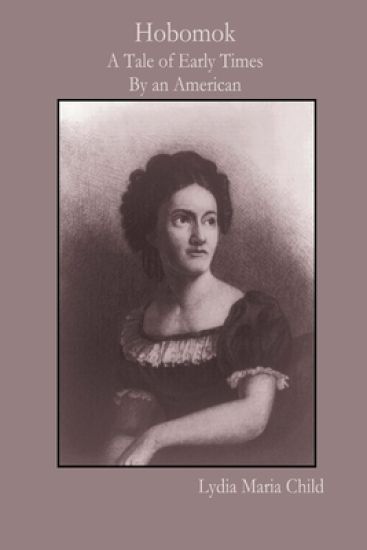
The publication of this work in 1824 was met with an immediate scandal. Mary, the novel's protagonist and a Puritan settler in the New World, falls in love and marries a Native American. The author confronted directly issues of religious oppression, gender stereotypes, and racial prejudice directly in this book of equality and social expectations.
Along with simply written recipes for roasting a pig and preparing corned beef, hasty pudding, carrot pie, buffalo tongue, and scores of other dishes, this fascinating book, with its lively and direct style, also offered 19th-century readers suggestions for treating chilblains and dysentery, cleaning white kid gloves, educating one's daughters, and advice for dealing with dozens of other domestic concerns. First published in 1832, it was a 'must' for brides of the mid-1800s. An intriguing glimpse into the kitchens of the past for modern cooks, antiquarians, and nostalgia lovers.
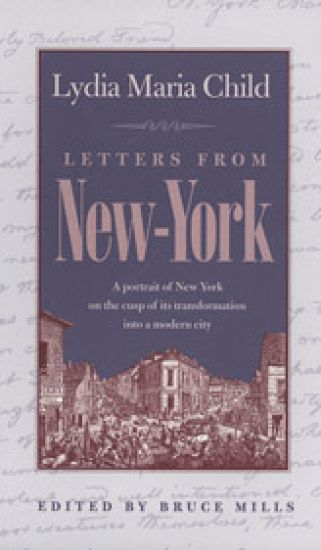
Prominent author and abolitionist Lydia Maria Child began writing her "letters" from New York in August 1841 as a response to the troubling realities marking her private and public life. In particular, she was preoccupied by her editorial duties at the National Anti-Slavery Standard and dismayed by the growing sectarian spirit of antislavery reform. Collected primarily from the pages of the Standard, her literary essays on women's rights, the preaching of African American minister Julia Pell, the Crosby Street Synagogue, animal magnetism, the engineering miracle of Croton Aqueduct, and countless other people, topics, and events capture the breathless and sometimes unsettling transformation of one representative hub of national life.In his general introduction and annotation of the text, Bruce Mills reconstructs the biographical and cultural context surrounding the book's publication and documents substantive changes between the Standard's version of the letters and the book form. This edition also includes ten letters that Child chose to omit from earlier editions, including essays on the farewell gathering for the Amistad captives at the African Methodist Episcopal Zion Church and the near lynching of British abolitionist George Thompson.Long considered among Child's best writing, Letters from New-York still captivates readers with its moving descriptions of enduring cultural realities. It offers readers a telling glimpse of New York as an emerging urban center and is an invaluable addition to the library of American literature.

![The Family Nurse. 1837, by Lydia Maria Child: The family nurse; or, Companion of the frugal housewife. [microform]](/covers/9781533077073.jpg)