Kirjojen hintavertailu. Mukana 11 699 587 kirjaa ja 12 kauppaa.

Kirjahaku

Etsi kirjoja tekijän nimen, kirjan nimen tai ISBN:n perusteella.

13 kirjaa tekijältä Lynn Hunt

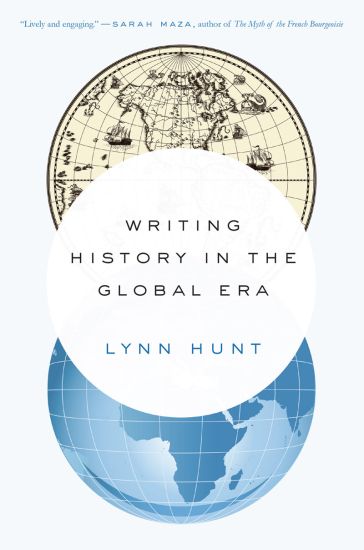
Writing History in the Global Era
George Orwell wrote that "history is written by the winners". Even if that seems a bit too cut-and-dried, we can say that history is always written from a viewpoint but that viewpoints change, sometimes radically. The history of workers, women and minorities challenged the once unquestioned dominance of the tales of great leaders and military victories. Then cultural studies brought fresh perspectives but those too have run their course. With globalisation emerging as a major economic, cultural and political force, Lynn Hunt examines whether it can reinvigorate the telling of history. In tandem, she proposes a sweeping re-evaluation of individuals’ agency and their place in society as the keys to understanding the way people and ideas interact. Writing History in the Global Era is bound to shake up the discipline and break new ground for historical studies.
Inventing Human Rights

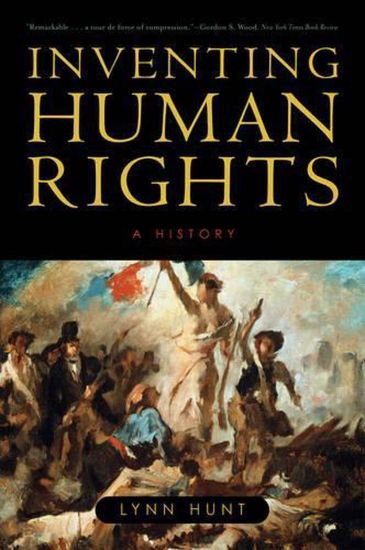
Inventing Human Rights

Lynn Hunt

WW Norton Co
2008
nidottu
How were human rights invented, and how does their tumultuous history influence their perception and our ability to protect them today? From Professor Lynn Hunt comes this extraordinary cultural and intellectual history, which traces the roots of human rights to the rejection of torture as a means for finding the truth. She demonstrates how ideas of human relationships portrayed in novels and art helped spread these new ideals and how human rights continue to be contested today.
Writing History in the Global Era
George Orwell wrote that "history is written by the winners". Even if that seems a bit too cut-and-dried, we can say that history is always written from a viewpoint but that viewpoints change, sometimes radically. The history of workers, women and minorities challenged the once unquestioned dominance of the tales of great leaders and military victories. Then cultural studies brought fresh perspectives but those too have run their course. With globalisation emerging as a major economic, cultural and political force, Lynn Hunt examines whether it can reinvigorate the telling of history. In tandem, she proposes a sweeping re-evaluation of individuals’ agency and their place in society as the keys to understanding the way people and ideas interact. Writing History in the Global Era is bound to shake up the discipline and break new ground for historical studies.
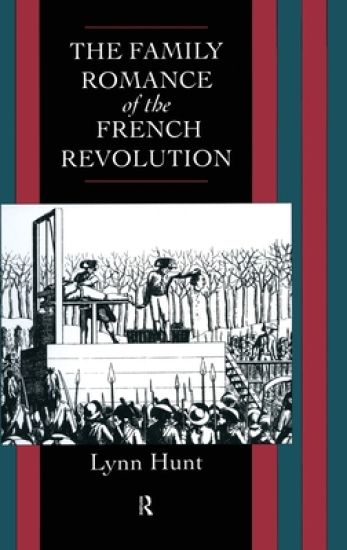
Family Romance of the French Revolution
This latest work from an author known for her contributions to the new cultural history is a daring, multidisciplinary investigation of the imaginative foundations of modern politics. Hunt uses the term `Family Romance', (coined by Freud to describe the fantasy of being freed from one's family and belonging to one of higher social standing), in a broader sense, to describe the images of the familial order that structured the collective political unconscious. In a wide-ranging account that uses novels, engravings, paintings, speeches, newspaper editorials, pornographic writing, and revolutionary legislation about the family, Hunt shows that the politics of the French Revolution were experienced through the network of the family romance.
Family Romance of the French Revolution
This latest work from an author known for her contributions to the new cultural history is a daring, multidisciplinary investigation of the imaginative foundations of modern politics. Hunt uses the term `Family Romance', (coined by Freud to describe the fantasy of being freed from one's family and belonging to one of higher social standing), in a broader sense, to describe the images of the familial order that structured the collective political unconscious. In a wide-ranging account that uses novels, engravings, paintings, speeches, newspaper editorials, pornographic writing, and revolutionary legislation about the family, Hunt shows that the politics of the French Revolution were experienced through the network of the family romance.
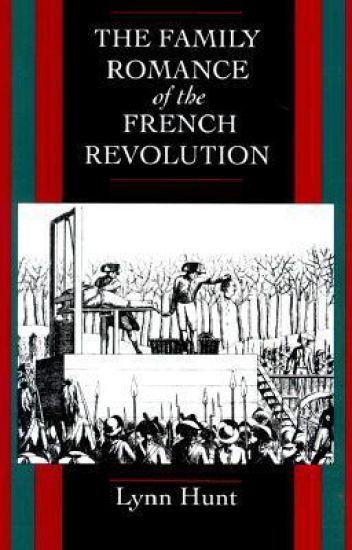
The Family Romance of the French Revolution

The Family Romance of the French Revolution

Lynn Hunt

University of California Press
1993
pokkari
This latest work from an author known for her contributions to the new cultural history is a multidisciplinary investigation of the foundations of modern politics. "Family Romance" was coined by Freud to describe the fantasy of being freed from one's family and joining one of higher social standing. Lynn Hunt uses the term broadly to describe the images of the familial order underlying revolutionary politics. In a wide-ranging account using novels, engravings, paintings, speeches, newspaper editorials, pornographic writing, and revolutionary legislation about the family, Hunt shows that politics were experienced through the grid of the family romance.
Politics, Culture, and Class in the French Revolution

Politics, Culture, and Class in the French Revolution

Lynn Hunt

University of California Press
2004
pokkari
When this book was published in 1984, it reframed the debate on the French Revolution, shifting the discussion from the Revolution's role in wider, extrinsic processes (such as modernization, capitalist development, and the rise of twentieth-century totalitarian regimes) to its central political significance: the discovery of the potential of political action to consciously transform society by molding character, culture, and social relations. In a new preface to this twentieth-anniversary edition, Hunt reconsiders her work in the light of the past twenty years' scholarship.
The Revolutionary Self

The Revolutionary Self

Lynn Hunt

WW NORTON CO
2025
sidottu
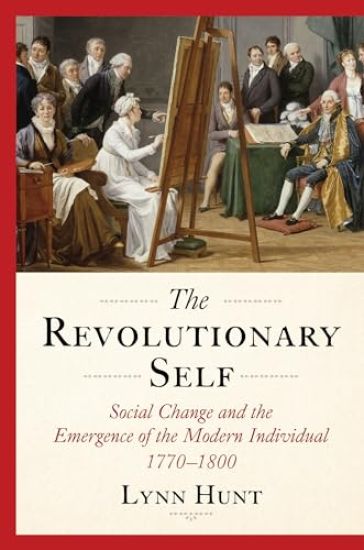
The eighteenth century was a time of cultural friction: individuals began to assert greater independence and there was a new emphasis on social equality. In this surprising history, Lynn Hunt examines women’s expanding societal roles, such as using tea to facilitate conversation between the sexes in Britain. In France, women also pushed boundaries by becoming artists, and printmakers’ satiric takes on the elite gave the lower classes a chance to laugh at the upper classes and imagine the potential of political upheaval. Hunt also explores how promotion in French revolutionary armies was based on men’s singular capabilities, rather than noble blood, and how the invention of financial instruments such as life insurance and national debt related to a changing idea of national identity. Wide-ranging and thought-provoking, The Revolutionary Self is a fascinating exploration of the conflict between individualism and the group ties that continues to shape our lives today.
History

History

Lynn Hunt

Polity Press
2018
sidottu
We justify our actions in the present through our understanding of the past. But we live in a time when politicians lie brazenly about historical facts and meddle with the content of history books, while media differ wildly in their reporting of the same event. Frequently, new discoveries force us to re-evaluate everything we thought we knew about the past. So how can any certainty about history be established, and why does it matter? Lynn Hunt shows why the search for truth about the past, as a continual process of discovery, is vital for our societies. History has an essential role to play in ensuring honest presentation of evidence. In this way, it can foster humility about our present-day concerns, a critical attitude toward chauvinism, and an openness to other peoples and cultures. History, Hunt argues, is our best defense against tyranny. Introducing Polity's Why It Matters series; in these short and lively books, world-leading thinkers make the case for the importance of their subjects and aim to inspire a new generation of students.
History

History

Lynn Hunt

Polity Press
2018
nidottu
We justify our actions in the present through our understanding of the past. But we live in a time when politicians lie brazenly about historical facts and meddle with the content of history books, while media differ wildly in their reporting of the same event. Frequently, new discoveries force us to re-evaluate everything we thought we knew about the past. So how can any certainty about history be established, and why does it matter? Lynn Hunt shows why the search for truth about the past, as a continual process of discovery, is vital for our societies. History has an essential role to play in ensuring honest presentation of evidence. In this way, it can foster humility about our present-day concerns, a critical attitude toward chauvinism, and an openness to other peoples and cultures. History, Hunt argues, is our best defense against tyranny. Introducing Polity's Why It Matters series; in these short and lively books, world-leading thinkers make the case for the importance of their subjects and aim to inspire a new generation of students.
Historien - och varför den angår oss

Historien - och varför den angår oss

Lynn Hunt

Studentlitteratur AB
2019
nidottu
Vi rättfärdigar våra handlingar i nuet genom vår förståelse av det förflutna. Men vi lever i en tid då politiker obesvärat ljuger om historiska fakta och lägger sig i historieböckers innehåll, och då medier ofta återger en och samma händelse på häpnadsväckande olika sätt. Vi lever dessutom i en tid då nya upptäckter tvingar oss att omvärdera allt vi trodde att vi visste om det förflutna.Hur kan vi i dag skaffa oss säker kunskap om historien? Och varför angår den oss? Lynn Hunt beskriver sökandet efter sanning om det förflutna som en kontinuerlig upptäcktsprocess som är livsnödvändig för våra samhällen. Historieskrivning spelar en viktig roll i strävan att ge en hederlig presentation av fakta, men den fram-manar också ödmjukhet inför våra dagsaktuella angelägenheter, en kritisk inställning till nationalism och andra chauvinistiska tendenser samt en öppenhet för andra folk och kulturer. Historien är, enligt Hunt, vårt bästa försvar mot tyranni.
Measuring Time, Making History

Measuring Time, Making History

Lynn Hunt

Central European University Press
2008
nidottu
Time is the crucial ingredient in history, and yet historians rarely talk about time as such. These essays offer new insight into the development of modern conceptions of time, from the Christian dating system (BC/AD or BCE/CE) to the idea of "modernity" as a new epoch in human history.