

Kirjahaku
Etsi kirjoja tekijän nimen, kirjan nimen tai ISBN:n perusteella.
14 kirjaa tekijältä Lynn R Miller

With hundreds of photos and drawings, this profusely illustrated text covers restoration, rebuilding, repair, and tune-up with a focus on the very popular McCormick Deering (International) No. 9. It also includes references to other makes and models, such as McCormick Number 7 and John Deere Big 4, as well as resource information for updating cutter bar assemblies to new materials and functions. The author, Lynn R.Miller, is a world recognized authority on animal-power and horsefarming methods, equipment, procedures and economics. He is also the editor and founder of Small Farmer's Journal.
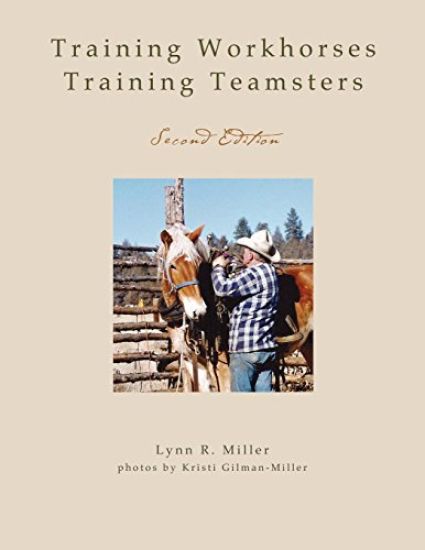
Two books in one: The fully illustrated, definitive, in-depth volume on training of horses and mules to work in harness - and - a treatise on learning to drive horses and mules in harness for work purposes. Includes over 650 photos and illustrations, most in color. Authored by the renowned contemporary expert on animal power, Lynn R. Miller.
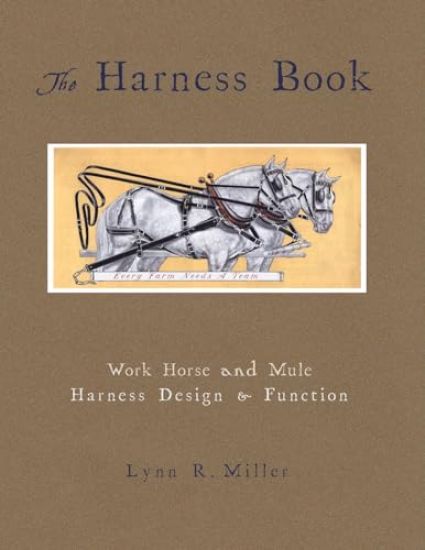
Years of research resulted in 300+ full color pages featuring hundreds of illustrations and detailed explanations. A truly comprehensive presentation of information on work horse harness, this will be useful to practicing teamsters, students, harness makers and anyone who loves horses and mules in harness.
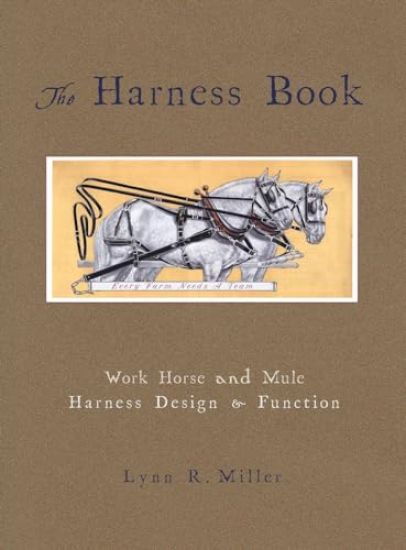
Years of research resulted in 300+ full color pages featuring hundreds of illustrations and detailed explanations. A truly comprehensive presentation of information on work horse harness, this will be useful to practicing teamsters, students, harness makers and anyone who loves horses and mules in harness.
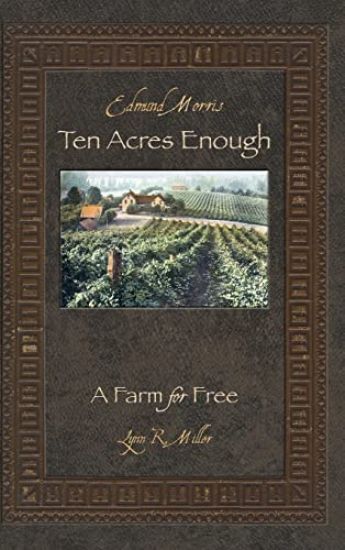
Ten Acres Enough: A Farm for Free is a story of artful self-sufficiency and homesteading on a very small acreage combining market gardening centered on small fruit cultivation. This book answers the elemental question; how many acres do you need to have a successful farm, and how you might acquire it with little or no money? This book is for those looking to establish and succeed with a small farm, and for those large and mid-sized farmers who feel overwhelmed and under-achieved but nonetheless devoted to a working life in agriculture. This book is also for successful small farmers looking for ideas and for the language to help them make their case in the larger world. Combining the 2023 essay A Farm for Free by Lynn R. Miller and the 1864 classic Ten Acres Enough by Edmund Morris, this book provides perspective and technical information, along with formulas and hopefulness.
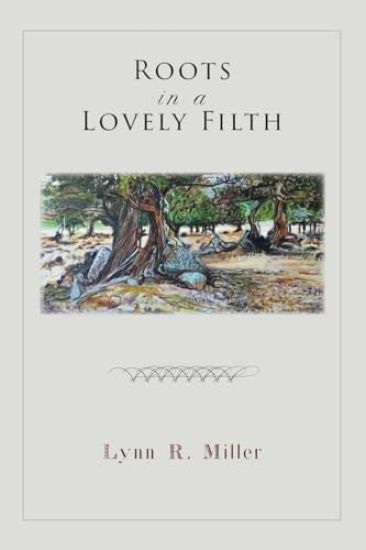
Roots in a Lovely Filth. The book's title is a refreshing declaration and appreciation of what must matter, what will feed and free us. The book's story concerns a pair of young unsung hero farmers, Enno and Ahnah Duden, and a secret society that gathers itself around them, to protect these innocents and deflect the dark forces that would bring them down. The hollowing out and erasure of the nation's rural lifestyle and substance since the early 1970s has resulted in several generations of what Lynn Miller sometimes calls "farmer pirates," who must assume a low profile to conduct their farming, and are treated to the skepticism and scorn.There is a bold sense of arrival and purpose to Lynn Miller's new novel, which is a third continuation of his Duden Chronicles, extending beyond The Glass Horse (2008) and Brown Dwarf (2020). In this new book the narrator stands close to the reader, and keeps edging closer, by turns dodges and hectors and whispers, taking it all so personally that despite our silly selves we readers can't help but pause and reflect. But that is not only or even mostly its effect, nor the least of the book's plantings, growings and gleanings. Punctuating his masterful storytelling with a myriad of quotes both real and conjured, as well as visual puzzles and historical context to rest the gaze, the book assembles and reflects a living culture, an alternative and sometimes furtively blessed reality that stands quiet and ready, often poignant with its wry encouragements and tart advice.Readers may find themselves waking to a blessed new way of living, in a possible salvation that springs from farming's own beginnings and versatility, that have served to join man, woman and child, fruit, vegetable and animal, wild and tame into one purpose over ten thousand years on the land. As the narrator explains, reaching ahead into the future: "The Next Testament, they would later call it... For there to be a next testament there first needs to have been no first testament; for the second coming is a reckoning (or wreck-inning) not a beginning. No, this time it needed to be understood as something entirely different, not a reboot. This time it needed to be fresh and pertinent, somehow pertinent." (P. 281) Tilled into a stony, barren desert soil, with an eye to the weather and precious little grounds for hope, this fine book has us tasting matters of substance and nurture all the way, seeing alternatives and choices at every step. After a fitting cataclysm that conjures more than a light dusting of dread at the pandemic and the delusions of blundering co-conspirators, the book returns to embrace the daily round of farming life, singing a chorus consisting of a set of a dozen chores that come to pass all at once. Which satisfies more than page-turners might imagine with its grace and quiet poetry. And though by now the hour is late, there is still time to gather and surmise what with our help may likely be in store. Roots in a Lovely Filth is a tasty and necessary fiction to help unburden us of tired old economic ways and means, with its simple pioneering tools and playful voices asking for shared strength and purpose in the work ahead, lest we find ourselves exhausted and bereft in an overheated future.Paul Hunter, poet
The book's story concerns a pair of young unsung hero farmers, Enno and Ahnah Duden, and a secret society that gathers itself around them, to protect these innocents and deflect the dark forces that would bring them down. The hollowing out and erasure of the nation's rural lifestyle and substance since the early 1970s has resulted in several generations of what Lynn Miller sometimes calls "farmer pirates," who must assume a low profile to conduct their farming, and are treated to the skepticism and scorn.
