

Kirjahaku
Etsi kirjoja tekijän nimen, kirjan nimen tai ISBN:n perusteella.
5 kirjaa tekijältä M. Karagatsis

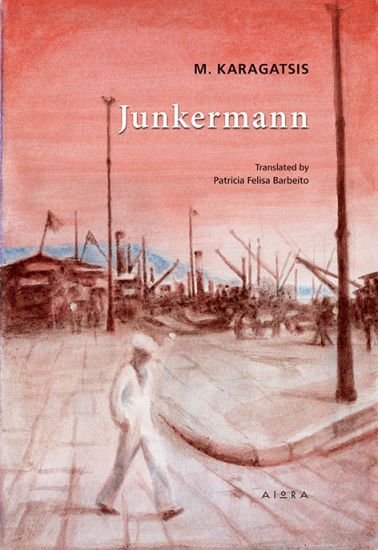
A modernist, picaresque epic, Junkermann recounts the life and times of its titular character, a hedonistic Finnish nobleman with a chequered past who serves as a Cossack guard in the Czar’s army, flees the Bolshevik revolution, and seeks his fortune as he travels through Constantinople and finally settles in Greece. Set in the social and political turbulence of the interwar period, Vasily Karlovich Junkermann’s fortunes reflect both the opportunities and dilemmas of the time. An unscrupulous character, he climbs with singular determination to the top of Athens’ social ladder while vacillating between an impossible love for Voula, a young woman engaged to someone else, and his overwhelming attraction to the dangerous Dina. Compared to Fitzgerald’s Great Gatsby, the novel explores similar themes of society and class; love, marriage, and concepts of value; changing notions of masculinity and honour; and the role of memory and the past. Written with Karagatsis’ characteristic irreverence, humour, and eye for the beauties of the Greek landscape, the novel provides a nuanced portrait of the myth of the self-made man -- from a Greek perspective.

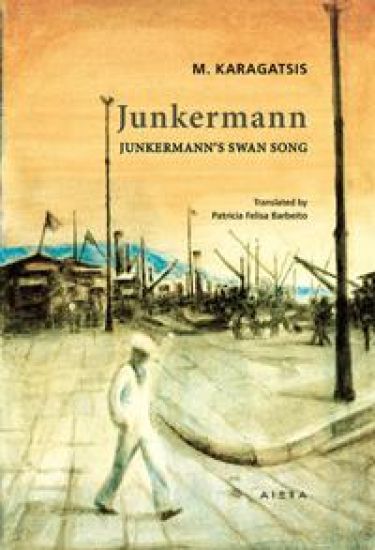
Junkermann’s Swan Song returns to Vasily Karlovich Junkermann at the end of his life. The swaggering adventurer of the first volume—Cossack guard, refugee, social climber, and self-styled conqueror of interwar Athens—now confronts the reckoning of age, disillusionment, and decline. Where Junkermann traced a frenetic rise shaped by appetite, ambition, and desire, this second volume turns inward, offering a darker, more introspective meditation on memory, loss, and mortality. Older and increasingly isolated, Junkermann looks back on a life that now appears at once grand and grotesque, a farce animated by illusions of success, love, and masculine honour that have long since curdled into bitterness and emptiness. As past passions and betrayals resurface, the novel assumes a distinctly Faustian cast, probing the psychic costs of a life spent in pursuit of power and pleasure. Tragic, surreal, and often darkly comic, Junkermann’s Swan Song weaves together psychological depth and Freudian undertones with Karagatsis’s sharp social insight and mordant humour. In its unflinching portrait of a man undone by the very myth that once sustained him, the novel becomes a haunting reflection on the chimera of success and the devastation that follows when its promise proves hollow.