Kirjojen hintavertailu. Mukana 12 016 292 kirjaa ja 12 kauppaa.

Kirjahaku

Etsi kirjoja tekijän nimen, kirjan nimen tai ISBN:n perusteella.

12 kirjaa tekijältä Malcolm Barber

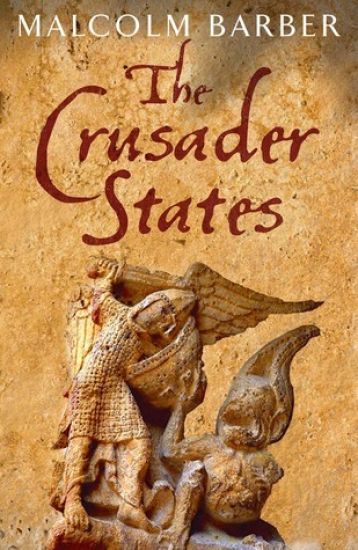
The Crusader States

The Crusader States

Malcolm Barber

Yale University Press
2014
pokkari
The only full account of life and culture in the twelfth-century crusader states, where religious battles raged and civilizations collided When the armies of the First Crusade wrested Jerusalem from control of the Fatimids of Egypt in 1099, they believed their victory was an evident sign of God's favor. It was, therefore, incumbent upon them to fulfill what they understood to be God's plan: to reestablish Christian control of Syria and Palestine. This book is devoted to the resulting settlements, the crusader states, that developed around the eastern shores of the Mediterranean and survived until Richard the Lionheart's departure in 1192. Focusing on Jerusalem, Antioch, Tripoli, and Edessa, Malcolm Barber vividly reconstructs the crusaders' arduous process of establishing and protecting their settlements, and the simultaneous struggle of vanquished inhabitants to adapt to life alongside their conquerors.Rich with colorful accounts of major military campaigns, the book goes much deeper, exploring in detail the culture of the crusader states—the complex indigenous inheritance; the architecture; the political, legal, and economic institutions; the ecclesiastical framework through which the crusaders perceived the world; the origins of the Knights Templar and the Hospitallers; and more. With the zest of a scholar pursuing a lifelong interest, Barber presents a complete narrative and cultural history of the crusader states while setting a new standard for the term "total history."

The Two Cities

The Two Cities

Malcolm Barber

Routledge
2004
sidottu
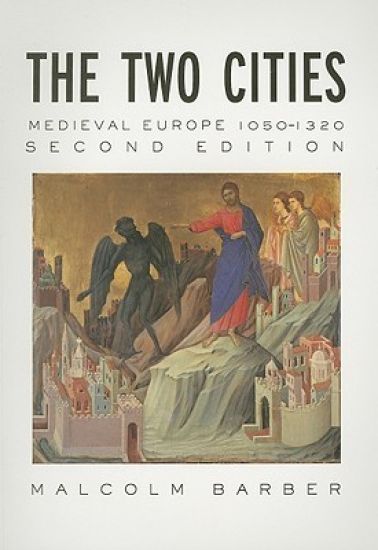
First published to wide critical acclaim in 1992, The Two Cities has become an essential text for students of medieval history. For the second edition, the author has thoroughly revised each chapter, bringing the material up to date and taking the historiography of the past decade into account.The Two Cities covers a colourful period from the schism between the eastern and western churches to the death of Dante. It encompasses key topics such as:the Crusadesthe expansionist force of the Normansmajor developments in the way kings, emperors and Popes exercised their powersa great flourishing of art and architecturethe foundation of the very first universities. Running through it all is the defining characteristic of the high Middle Ages: the delicate relationship between the spiritual and secular worlds, the two 'cities' of the title. This survey provides all the facts and background information that students need, and is defined into straightforward thematic chapters. It makes extensive use of primary sources, and makes new trends in research accessible to students. Its fresh approach gives students the most rounded, lively and integrated view of the high Middle Ages available.
The Two Cities

The Two Cities

Malcolm Barber

Routledge
2004
nidottu
First published to wide critical acclaim in 1992, The Two Cities has become an essential text for students of medieval history. For the second edition, the author has thoroughly revised each chapter, bringing the material up to date and taking the historiography of the past decade into account.The Two Cities covers a colourful period from the schism between the eastern and western churches to the death of Dante. It encompasses key topics such as:the Crusadesthe expansionist force of the Normansmajor developments in the way kings, emperors and Popes exercised their powersa great flourishing of art and architecturethe foundation of the very first universities. Running through it all is the defining characteristic of the high Middle Ages: the delicate relationship between the spiritual and secular worlds, the two 'cities' of the title. This survey provides all the facts and background information that students need, and is defined into straightforward thematic chapters. It makes extensive use of primary sources, and makes new trends in research accessible to students. Its fresh approach gives students the most rounded, lively and integrated view of the high Middle Ages available.
The New Knighthood

The New Knighthood

Malcolm Barber

Cambridge University Press
1993
sidottu
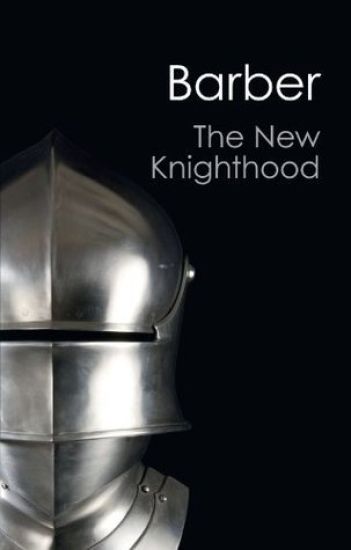
The Order of the Temple, founded in 1119 to protect pilgrims around Jerusalem, developed into one of the most influential corporations in the medieval world. It has retained its hold on the modern imagination thanks to the dramatic events of the Templars' trial and abolition two hundred years later, and has been involved in historical mysteries from masonic conspiracy to the survival of the Turin shroud. Malcolm Barber's lucid narrative separates myth from history in this full and detailed account of the Order, from its origins, flourishing and suppression to the Templars' historical afterlife.
The Trial of the Templars

The Trial of the Templars

Malcolm Barber

Cambridge University Press
2006
sidottu
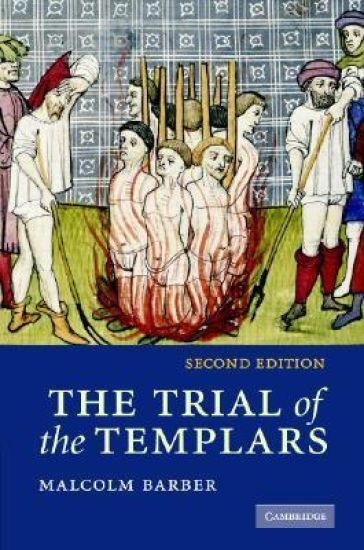
The Templars fought against Islam in the crusader east for nearly two centuries. During that time the original small band grew into a formidable army, backed by an extensive network of preceptories in the Latin West. In October 1307, the members of this seemingly invulnerable and respected Order were arrested on the orders of Philip IV, King of France and charged with serious heresies, including the denial of Christ, homosexuality and idol worship. The ensuing proceedings lasted for almost five years and culminated in the suppression of the Order. The motivations of the participants and the long-term repercussions of the trial have been the subject of intense and unresolved controversy, which still has resonances in our own time. In this new edition of his classic account, Malcolm Barber discusses the trial in the context of new work on the crusades, heresy, the papacy and the French monarchy.
Crusaders and Heretics, Twelfth to Fourteenth Centuries
These articles seek to understand the attitudes and reactions of medieval society to both external threat and internal dissension, whether real or imagined. The crusaders encompass the Templars and the Knights of St Lazarus, members of military orders committed to the cause of perpetual battle for the faith; more reluctant secular knights urged into the complicated conflicts of Latin Greece by the papacy; and peasant enthusiasts from northern France, ultimately turning their frustration on the clergy and the Jews. Heretics range from Cathars, real opponents of the Church, to the lepers, imaginary subverters of society, allegedly in league with the two other perceived enemies of Western Christendom, the Jews and the Muslims.
The Two Cities

The Two Cities

Malcolm Barber

TAYLOR FRANCIS LTD
2026
nidottu
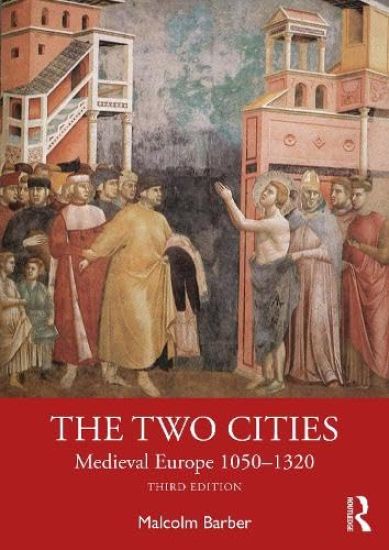
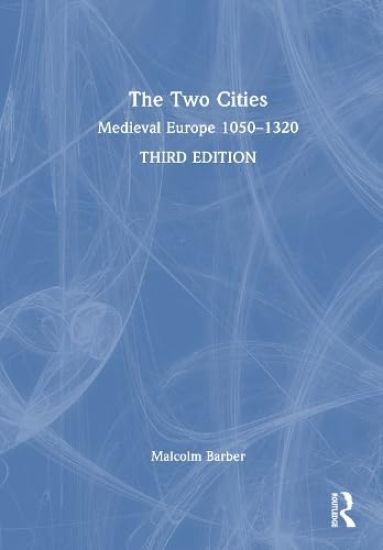
Covering a colourful period of medieval history from the schism between the eastern and western churches to the death of Dante, The Two Cities provides an introduction to key topics such as: The crusades The expansionist force of the Normans Major developments in the way kings, emperors and popes exercised their powers A great flourishing of art and architecture The foundation of the very first universities Four major sections covering The Social and Economic Structure, The Church, Political Change, and Perceptions of the World, analyse and discuss the delicate relationship between the spiritual and secular worlds - the two 'cities' of the title. This third edition has been updated throughout to incorporate new literature and ideas that have emerged since the previous edition including sexuality and the environment, as well as additional material on Scotland, Wales and Ireland. Making extensive use of primary sources and new trends in historical research and scholarship, this book provides a fresh approach to students in the most rounded, lively and integrated view of the High Middle Ages available.
The Two Cities

The Two Cities

Malcolm Barber

TAYLOR FRANCIS LTD
2026
sidottu
Covering a colourful period of medieval history from the schism between the eastern and western churches to the death of Dante, The Two Cities provides an introduction to key topics such as: The crusades The expansionist force of the Normans Major developments in the way kings, emperors and popes exercised their powers A great flourishing of art and architecture The foundation of the very first universities Four major sections covering The Social and Economic Structure, The Church, Political Change, and Perceptions of the World, analyse and discuss the delicate relationship between the spiritual and secular worlds - the two 'cities' of the title. This third edition has been updated throughout to incorporate new literature and ideas that have emerged since the previous edition including sexuality and the environment, as well as additional material on Scotland, Wales and Ireland. Making extensive use of primary sources and new trends in historical research and scholarship, this book provides a fresh approach to students in the most rounded, lively and integrated view of the High Middle Ages available.
The New Knighthood

The New Knighthood

Malcolm Barber

Cambridge University Press
2012
pokkari
The Order of the Temple, founded in 1119 to protect pilgrims around Jerusalem, developed into one of the most influential corporations in the medieval world. It has retained its hold on the modern imagination thanks to the dramatic events of the Templars' trial and abolition two hundred years later, and has been invoked in historical mysteries from masonic conspiracy to the survival of the Turin shroud. Malcolm Barber's lucid narrative separates myth from history in this full and detailed account of the Order, from its origins, flourishing and suppression to the Templars' historic afterlife.
The Trial of the Templars

The Trial of the Templars

Malcolm Barber

Cambridge University Press
2012
pokkari
Malcolm Barber's classic The Trial of the Templars recounts the dramatic demise of this elite military force in the fourteenth century. Having fought against Islam in the crusades in the East for nearly two centuries, in October 1307 the members of this respected Order were arrested on the order of Philip IV, King of France and charged with serious heresies, including homosexuality and the denial of Christ. Finding resonances between the fourteenth-century trial and contemporary events, Barber's classic account endeavours to tackle the unresolved controversies surrounding the consequences of the trial and includes discussions in the context of new work on the crusades, heresy, the papacy and the French monarchy.
The Cathars

The Cathars

Malcolm Barber

Routledge
2017
sidottu
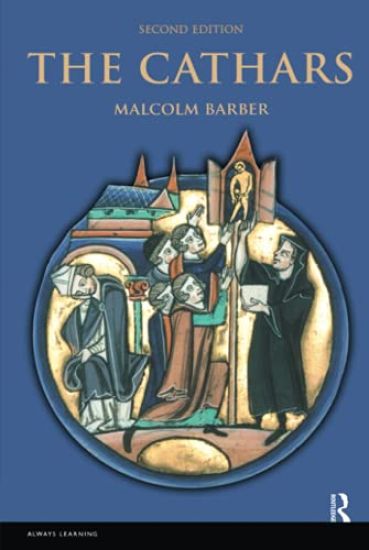
In the second half of the twelfth century, the Catholic Church became convinced that dualist heresy was taking root within Christian society and that it was particularly strong in southern France. The nature and extent of this heresy and the reaction of the Church to the perceived threat have been the focus of extensive research since the mid-nineteenth century, research which has become especially intense in the last decade. Malcolm Barber's second edition of The Cathars (which first appeared in 2000) brings readers up-to-date with the challenges to previous conclusions of recent scholarship. At the same time, the wider implications of the subject remain relevant, most importantly the fundamental questions raised by the belief in the existence of evil, the ethical problems presented by the use of coercion to suppress forms of dissent believed to threaten the social and religious fabric, and the distortion of the past to underpin present-day policies and arguments.
The Cathars

The Cathars

Malcolm Barber

Routledge
2013
nidottu
In the second half of the twelfth century, the Catholic Church became convinced that dualist heresy was taking root within Christian society and that it was particularly strong in southern France. The nature and extent of this heresy and the reaction of the Church to the perceived threat have been the focus of extensive research since the mid-nineteenth century, research which has become especially intense in the last decade. Malcolm Barber's second edition of The Cathars (which first appeared in 2000) brings readers up-to-date with the challenges to previous conclusions of recent scholarship. At the same time, the wider implications of the subject remain relevant, most importantly the fundamental questions raised by the belief in the existence of evil, the ethical problems presented by the use of coercion to suppress forms of dissent believed to threaten the social and religious fabric, and the distortion of the past to underpin present-day policies and arguments.