Kirjojen hintavertailu. Mukana 12 016 292 kirjaa ja 12 kauppaa.

Kirjahaku

Etsi kirjoja tekijän nimen, kirjan nimen tai ISBN:n perusteella.

4 kirjaa tekijältä Malcolm Dando

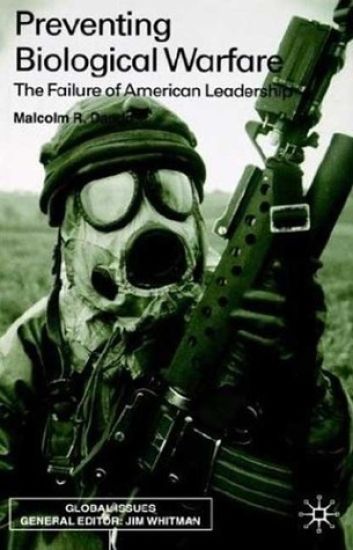
Preventing Biological Warfare

Preventing Biological Warfare

Malcolm Dando

Palgrave Macmillan
2002
sidottu
The Biological and Toxin Weapons Convention entirely prohibits biological warfare, but it has no effective verification mechanism to ensure that the 140-plus States Parties are living up to their obligations. From 1995-2001 the States Parties attempted to negotiate a Protocol to the Convention to remedy this deficiency. On 25 July 2001 the United States entirely rejected the final text which would probably have been acceptable to most other states. The book investigates how this disaster came about, and the potential consequences of the failure of American leadership.
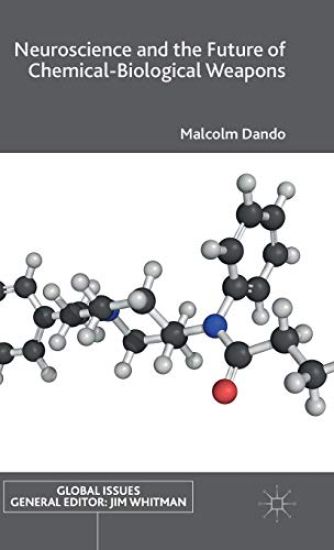
Neuroscience and the Future of Chemical-Biological Weapons
During the last century, advances in the life sciences were used in the development of biological and chemical weapons in large-scale state offensive programmes, many of which targeted the nervous system. This study questions whether the development of novel biological and chemical neuroweapons can be prevented as neuroscience progresses.
Preventing Biological Warfare

Preventing Biological Warfare

Malcolm Dando

Palgrave Macmillan
2002
nidottu
The Biological and Toxin Weapons Convention entirely prohibits biological warfare, but it has no effective verification mechanism to ensure that the 140-plus States Parties are living up to their obligations. From 1995-2001 the States Parties attempted to negotiate a Protocol to the Convention to remedy this deficiency. On 25 July 2001 the United States entirely rejected the final text which would probably have been acceptable to most other states. The book investigates how this disaster came about, and the potential consequences of the failure of American leadership.

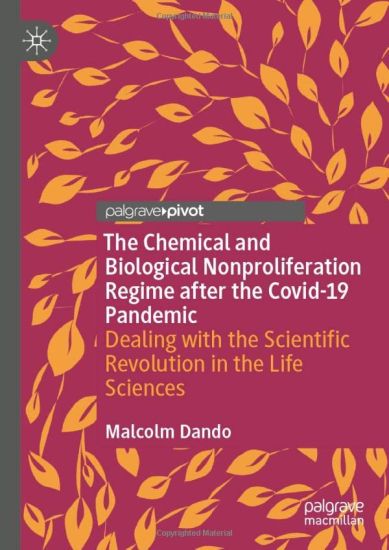
The Chemical and Biological Nonproliferation Regime after the Covid-19 Pandemic
This book offers an analysis of how the Chemical and Biological Weapons (CBW) regime has responded in the immediate aftermath of the Covid-19 pandemic. Coronavirus has highlighted the need to better protect modern societies from natural, accidental and deliberate disease affecting humans, animals and plants. Within that context preventing the deliberate hostile use of biological and chemical agents will be of increasing importance. Dando asks to what extent there has been a significant strengthening to the CBW non-proliferation regime in the immediate aftermath of the COVID-19 pandemic using an analysis focused on two proposals to strengthen the Chemical Weapons Convention and the Biological and Toxin Weapons Convention which aim to constrain advances in science and technology developments that could be misused. On this basis he concludes that it would be hard to argue that to date there has been a significant strengthening of the CBW regime.