Kirjojen hintavertailu. Mukana 11 456 054 kirjaa ja 12 kauppaa.

Kirjahaku

Etsi kirjoja tekijän nimen, kirjan nimen tai ISBN:n perusteella.

4 kirjaa tekijältä Marc A Hertzman

Making Samba

Making Samba

Marc A Hertzman

Duke University Press
2013
sidottu
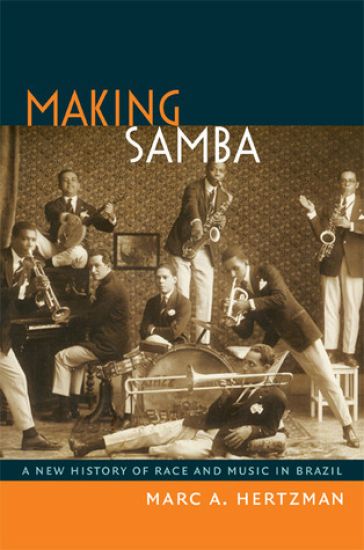
In November 1916, a young Afro-Brazilian musician named Donga registered sheet music for the song "Pelo telefone" ("On the Telephone") at the National Library in Rio de Janeiro. This apparently simple act-claiming ownership of a musical composition-set in motion a series of events that would shake Brazil's cultural landscape. Before the debut of "Pelo telephone," samba was a somewhat obscure term, but by the late 1920s, the wildly popular song had helped to make it synonymous with Brazilian national music.The success of "Pelo telephone" embroiled Donga in controversy. A group of musicians claimed that he had stolen their work, and a prominent journalist accused him of selling out his people in pursuit of profit and fame. Within this single episode are many of the concerns that animate Making Samba, including intellectual property claims, the Brazilian state, popular music, race, gender, national identity, and the history of Afro-Brazilians in Rio de Janeiro. By tracing the careers of Rio's pioneering black musicians from the late nineteenth century until the 1970s, Marc A. Hertzman revises the histories of samba and of Brazilian national culture.
Making Samba

Making Samba

Marc A Hertzman

Duke University Press
2013
pokkari
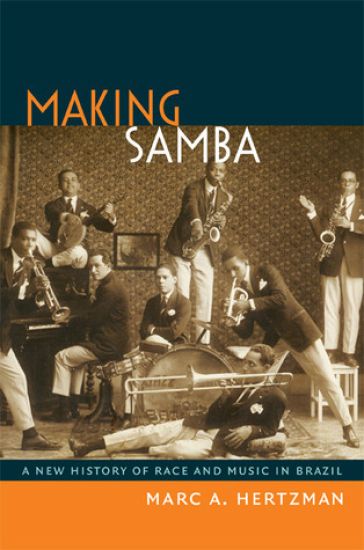
In November 1916, a young Afro-Brazilian musician named Donga registered sheet music for the song "Pelo telefone" ("On the Telephone") at the National Library in Rio de Janeiro. This apparently simple act-claiming ownership of a musical composition-set in motion a series of events that would shake Brazil's cultural landscape. Before the debut of "Pelo telephone," samba was a somewhat obscure term, but by the late 1920s, the wildly popular song had helped to make it synonymous with Brazilian national music.The success of "Pelo telephone" embroiled Donga in controversy. A group of musicians claimed that he had stolen their work, and a prominent journalist accused him of selling out his people in pursuit of profit and fame. Within this single episode are many of the concerns that animate Making Samba, including intellectual property claims, the Brazilian state, popular music, race, gender, national identity, and the history of Afro-Brazilians in Rio de Janeiro. By tracing the careers of Rio's pioneering black musicians from the late nineteenth century until the 1970s, Marc A. Hertzman revises the histories of samba and of Brazilian national culture.
After Palmares

After Palmares

Marc A Hertzman

DUKE UNIVERSITY PRESS
2024
sidottu
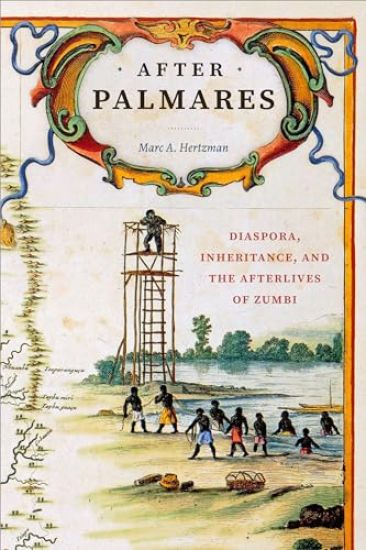
In After Palmares, Marc A. Hertzman tells the rise, fall, and afterlives of Palmares, one of history’s largest and longest-lasting maroon societies. Forged during the seventeenth century by formerly enslaved Africans in what would become northeast Brazil, Palmares stood for a century, withstanding sustained attacks from two European powers. In 1695, colonial forces assassinated its most famous leader, Zumbi. Hertzman examines the remarkable ways that Palmares and its inhabitants lived on after Zumbi’s death, creating vivid portraits of those whose lives and voices scholars have often assumed are inaccessible. With an innovative approach to African languages, and paying close attention to place as well as African and diasporic spiritual beliefs, Hertzman reshapes our understanding of Palmares and Zumbi and advances a new framework for studying fugitive slave communities and marronage in the African diaspora.
After Palmares

After Palmares

Marc A Hertzman

DUKE UNIVERSITY PRESS
2024
pokkari
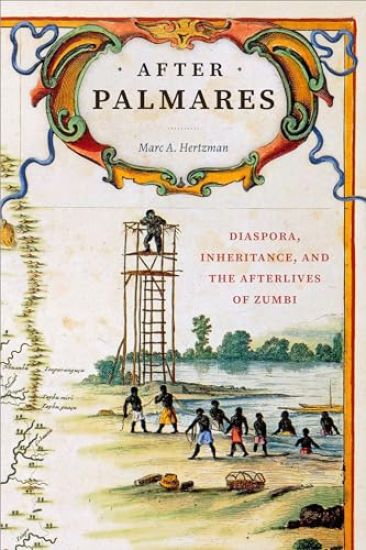
In After Palmares, Marc A. Hertzman tells the rise, fall, and afterlives of Palmares, one of history’s largest and longest-lasting maroon societies. Forged during the seventeenth century by formerly enslaved Africans in what would become northeast Brazil, Palmares stood for a century, withstanding sustained attacks from two European powers. In 1695, colonial forces assassinated its most famous leader, Zumbi. Hertzman examines the remarkable ways that Palmares and its inhabitants lived on after Zumbi’s death, creating vivid portraits of those whose lives and voices scholars have often assumed are inaccessible. With an innovative approach to African languages, and paying close attention to place as well as African and diasporic spiritual beliefs, Hertzman reshapes our understanding of Palmares and Zumbi and advances a new framework for studying fugitive slave communities and marronage in the African diaspora.