Kirjojen hintavertailu. Mukana 11 527 018 kirjaa ja 12 kauppaa.

Kirjahaku

Etsi kirjoja tekijän nimen, kirjan nimen tai ISBN:n perusteella.

4 kirjaa tekijältä Marc Valeri

Oman: Politics and Society in the Qaboos State

Oman: Politics and Society in the Qaboos State

Marc Valeri

Oxford University Press, USA
2009
sidottu
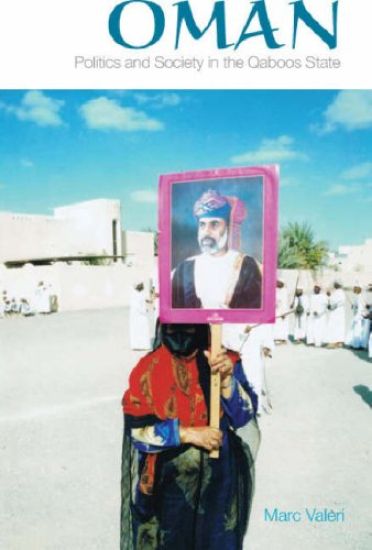
When Sultan Qaboos overthrew his father as ruler of the Persian Gulf state of Oman in 1970, with the help of British advisers, few expected him to survive long. He was unknown to his own population, and the country was poor and plagued by civil wars. Yet he has built his regime's legitimacy on a policy of national unification, the assimilation of all of Oman to the oil rentier state framework, and of his state to the person of the sultan, the incarnation of the country's "renaissance." This books seeks to understand the mechanisms of social and political perpetuation of authoritarianism in post-colonial states such as Oman. It shows how one monarchical power has built and constantly renewed its basis to meet the internal and external challenges threatening its stability. Yet this book also raises the question of what happens when one part of this model, namely an oil-rent economy, falters, with half the population under fifteen years of age and when the privileges enjoyed till recently may no longer be tenable. Valeri also sheds light on the strategies adopted and challenges faced by other Arab monarchies in the Persian Gulf, Morocco and Jordan.
Oman: Politics and Society in the Qaboos State

Oman: Politics and Society in the Qaboos State

Marc Valeri

Oxford University Press
2014
nidottu
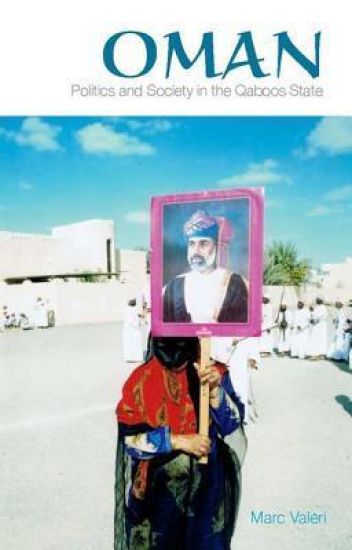
When Sultan Qaboos overthrew his father as ruler of the Persian Gulf state of Oman in 1970, with the help of British advisers, few expected him to survive long. He was unknown to his own population, and the country was poor and plagued by civil wars. Yet he has built his regime's legitimacy on a policy of national unification, the assimilation of all of Oman to the oil rentier state framework, and of his state to the person of the sultan, the incarnation of the country's "renaissance." This books seeks to understand the mechanisms of social and political perpetuation of authoritarianism in post-colonial states such as Oman. It shows how one monarchical power has built and constantly renewed its basis to meet the internal and external challenges threatening its stability. Yet this book also raises the question of what happens when one part of this model, namely an oil-rent economy, falters, with half the population under fifteen years of age and when the privileges enjoyed till recently may no longer be tenable. Valeri also sheds light on the strategies adopted and challenges faced by other Arab monarchies in the Persian Gulf, Morocco and Jordan.
Oman

Oman

Marc Valeri

C Hurst Co Publishers Ltd
2017
nidottu
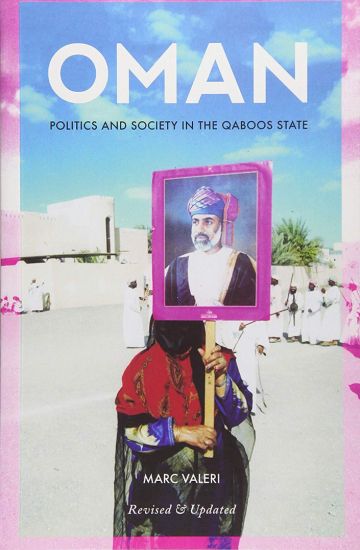
Based on years of firsthand research, Marc Valeri treats the political career of Sultan Qaboos as a case study of the social and political mechanisms that perpetuate authoritarianism in post-colonial states. He examines the way in which Sultan Qaboos built and constantly renewed his base in order to meet internal and external challenges to his power. Valeri also considers what happens when one part of this model, namely an oil-rent economy, falters, and the privileges enjoyed by half the population are no longer tenable. Expanding his focus beyond the state of Oman, Valeri then evaluates the strategies adopted and challenges faced by other Arab monarchies in Morocco, Jordan, and the Persian Gulf.
Oman

Oman

Marc Valeri

C Hurst Co Publishers Ltd
2008
sidottu
When Sultan Qaboos overthrew his father as ruler of the Persian Gulf state of Oman in 1970, with the help of British advisers, few expected him to survive long. He was unknown to his own population, and the country was poor and plagued by civil wars. Yet he has built his regime's legitimacy on a policy of national unification, the assimilation of all of Oman to the oil rentier state framework, and of his state to the person of the sultan, the incarnation of the country's 'renaissance'. This books seeks to understand the mechanisms of social and political perpetuation of authoritarianism in post-colonial states such as Oman. It shows how one monarchical power has built and constantly renewed its basis to meet the internal and external challenges threatening its stability. Yet this book also raises the question of what happens when one part of this model, namely an oil-rent economy, falters, with half the population under fifteen years of age and when the privileges enjoyed till recently may no longer be tenable. Valeri also sheds light on the strategies adopted and challenges faced by other Arab monarchies in the Persian Gulf, Morocco and Jordan.