Kirjojen hintavertailu. Mukana 11 244 527 kirjaa ja 12 kauppaa.

Kirjahaku

Etsi kirjoja tekijän nimen, kirjan nimen tai ISBN:n perusteella.

2 kirjaa tekijältä Mareike Winchell

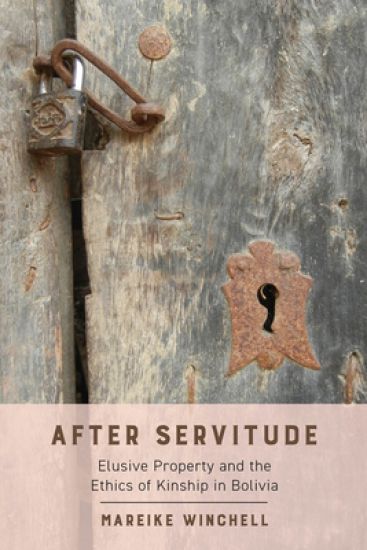
After Servitude

After Servitude

Mareike Winchell

University of California Press
2022
sidottu
How are injurious pasts redeployed by the dispossessed? After Servitude explores how agrarian engineers, Indigenous farmers, Mestizo mining bosses, and rural workers navigate racial hierarchies rooted in histories of forced agrarian labor. In the rural Bolivian province of Ayopaya, where the liberatory promises of property remain elusive, Quechua people address such hierarchies by demanding aid from Mestizo elites and, when that fails, through acts of labor militancy. Against institutional faith in property ownership as a means to detach land from people and present from past, the kin of former masters and servants alike have insisted that ethical debts from earlier racial violence stretch across epochs and formal land sales. What emerges is a vision of justice grounded in popular demands that wealth remain beholden to the region’s agrarian past. By tracing Ayopayans’ active efforts to contend with servitude’s long shadow, Mareike Winchell illuminates the challenges that property confronts as both an extractive paradigm and a means of historical redress.
After Servitude

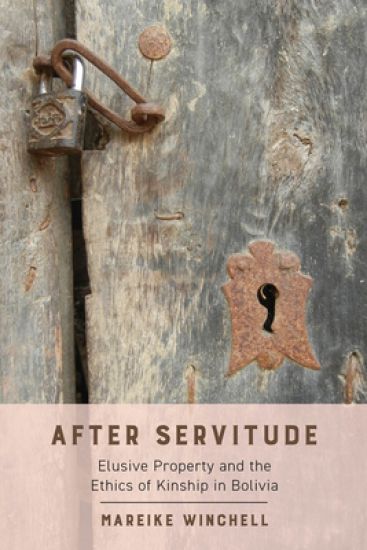
After Servitude

Mareike Winchell

University of California Press
2022
pokkari
How are injurious pasts redeployed by the dispossessed? After Servitude explores how agrarian engineers, Indigenous farmers, Mestizo mining bosses, and rural workers navigate racial hierarchies rooted in histories of forced agrarian labor. In the rural Bolivian province of Ayopaya, where the liberatory promises of property remain elusive, Quechua people address such hierarchies by demanding aid from Mestizo elites and, when that fails, through acts of labor militancy. Against institutional faith in property ownership as a means to detach land from people and present from past, the kin of former masters and servants alike have insisted that ethical debts from earlier racial violence stretch across epochs and formal land sales. What emerges is a vision of justice grounded in popular demands that wealth remain beholden to the region’s agrarian past. By tracing Ayopayans’ active efforts to contend with servitude’s long shadow, Mareike Winchell illuminates the challenges that property confronts as both an extractive paradigm and a means of historical redress.